Fibroids in uterus: symptoms, causes and treatment options
In short: Fibroids are non-cancerous growths made of muscle that grow in or on the wall of the uterus. They are very common, and many women with fibroids have no symptoms at all. When they do cause trouble, the usual signs are heavy or long periods, a feeling of pressure or fullness in the tummy, frequent urination and back pain. See a gynaecologist if your periods are heavy or you notice these symptoms.
If a scan has just shown that you have fibroids, you may be feeling worried. Many women think a growth in the womb must be serious.
The good news is that fibroids are almost always harmless. Lots of women have them without ever knowing. When they do cause symptoms, there are many ways to manage them, and you and your doctor can choose what suits your life.
What are fibroids?
Fibroids are lumps made of muscle and fibrous tissue that grow from the wall of the uterus (womb). In Hindi, they are often called rasauli or "garbhashay mein gaanth". They can be as small as a seed or grow large, and you can have one or several.
Doctors describe them by where they grow:
- Inside the muscle wall of the uterus, which is the most common place
- Under the inner lining, bulging into the space inside the womb, which is more likely to cause heavy bleeding
- On the outer surface of the uterus, which may press on nearby organs
- On a stalk, attached to the inside or outside of the womb
Fibroids are not cancer, and having them does not raise your risk of cancer of the uterus.
Symptoms of fibroids
Many women have no symptoms. When fibroids do cause problems, the signs depend on their size and position:
- Heavy periods, sometimes with clots
- Periods that last longer than usual
- Feeling tired or breathless, because heavy bleeding can lead to low haemoglobin
- A feeling of pressure, heaviness or swelling in the lower tummy
- Needing to pass urine often
- Constipation
- Lower back or leg pain
- Pain during sex
If you are not sure whether your periods count as heavy, read our guide on heavy periods and how much is too much. Heavy bleeding over months can also cause iron deficiency, so it is worth getting checked.
What causes fibroids?
The exact cause is not known, but some things make them more likely:
- Hormones: fibroids grow in response to oestrogen and progesterone, which is why they often shrink after menopause
- Family history: they are more common if your mother or sister had them
- Age: they are most common in women in their thirties and forties
- Being overweight
Fibroids are not caused by anything you did, and they are not an infection.
Fibroids vs ovarian cysts: what's the difference?
These two are often confused because both can show up on an ultrasound and both can cause tummy discomfort.
- Fibroids are solid lumps of muscle that grow from the wall of the uterus.
- Ovarian cysts are sacs, usually filled with fluid, that form on or in the ovaries.
They grow in different organs, behave differently and are managed differently. Your ultrasound report will tell you which one you have.
Fibroids treatment options
Not every fibroid needs treatment. If yours are small and not causing problems, your gynaecologist may simply suggest watching them with a repeat ultrasound from time to time.
If they do cause symptoms, options in general include:
- Ways to control heavy bleeding and pain, which your doctor can suggest
- Treatment to shrink fibroids for a while, sometimes before surgery
- Procedures that block the blood supply to the fibroid so it shrinks
- Surgery to remove fibroids (myomectomy), which keeps the uterus and is often chosen by women who want children
- Surgery to remove the uterus (hysterectomy), for women who have finished their families and have severe symptoms
The right choice depends on your symptoms, the size and position of the fibroids, your age and whether you plan to have a baby. Your gynaecologist will talk you through it.
When to see a gynaecologist
Book a visit if:
- Your periods are heavy or longer than 7 days
- You feel tired, dizzy or breathless often
- You notice a swelling or pressure in your lower tummy
- You need to pass urine much more often than usual
- You have been trying for a baby without success
Go to a doctor the same day if:
- You are soaking a pad every hour for 2 hours or more
- You feel faint, dizzy or very weak
- You have sudden, severe tummy pain, especially with fever
- You have any bleeding in pregnancy
- You have bleeding after menopause
Questions women ask
What is the meaning of fibroids in Hindi?
In Hindi, fibroids are commonly called rasauli, or "garbhashay mein gaanth", which means a lump in the uterus. They are non-cancerous growths of muscle, and most women with them live completely normal lives.
Are fibroids safe in pregnancy?
Most women with fibroids have healthy pregnancies. Sometimes fibroids grow during pregnancy and can cause pain, and a few may affect the baby's position or delivery. Your doctor will keep an eye on them with your regular scans and check-ups.
Can fibroids cause heavy periods?
Yes, heavy periods are the most common symptom of fibroids, especially those that grow close to the inner lining of the womb. Heavy bleeding has other causes too, so it is worth asking a gynaecologist to find out which one applies to you.
Can fibroids turn into cancer?
Fibroids are non-cancerous, and they almost never turn into cancer. A rare cancer of the uterine muscle exists, but it is a different condition. Tell your doctor if a fibroid grows quickly or you have bleeding after menopause, so it can be checked.
Do fibroids go away on their own?
Fibroids usually do not disappear completely, but many stop growing, and they often shrink after menopause when hormone levels fall. Small fibroids that cause no problems can simply be watched.
General information, not medical advice. Talk to a doctor about your own health.
Talk to a doctor about your periodsFrom the Femease store

For your period
My Cara Ultra-thin Sanitary Pads with Organic Cotton Top Layer (4M+4L+4XL)
12 pads (4 M, 4 L, 4 XL)
199 rupees
For your period
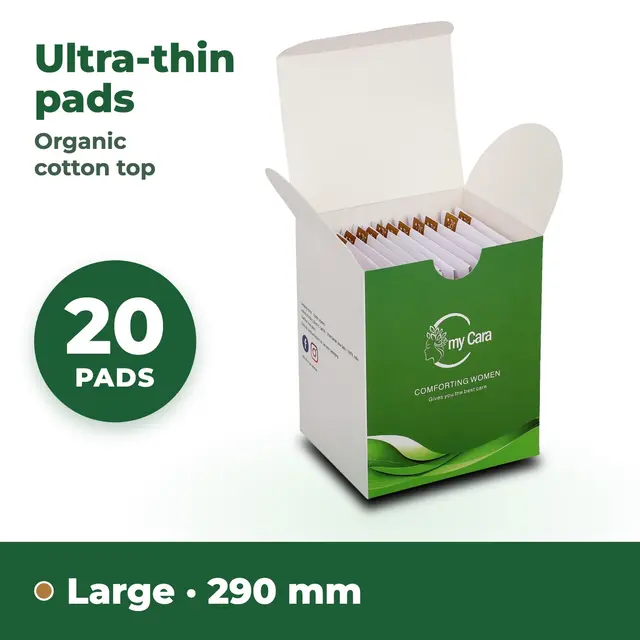
My Cara Ultra-thin Sanitary Pads with Organic Cotton Top Layer (20 Large)
20 Large pads
299 rupees
Keep reading
Menopause in cancer survivors
Menopause after cancer treatment? Learn how sudden, treatment-led menopause differs from menopause with age, and how to manage it with your doctor.
Managing anxiety during fertility treatments
Navigating the Emotional Rollercoaster with Practical Strategies and Support from Femease
Thyroid in women: symptoms, causes, tests and pregnancy
Signs of an underactive or overactive thyroid in women, how it affects periods and pregnancy, what the TSH test shows, and when to see a doctor.
Hyper-independence: meaning, signs and why it happens
Those who have learned to rely only on themselves may struggle silently with trust, connection, and asking for help.
Endometriosis symptoms: signs, causes and getting a diagnosis
Endometriosis symptoms include severe period pain, painful sex and heavy periods. Learn the causes, how it differs from PCOS and when to see a gynaecologist.
Ovarian cyst symptoms: types, causes and when to worry
Most ovarian cysts are harmless and go away on their own. Learn the symptoms, causes, how they differ from PCOS and which pain needs urgent care.
