Endometriosis symptoms: signs, causes and getting a diagnosis
In short: Endometriosis is a long-term condition where tissue similar to the lining of the womb grows outside it, often on the ovaries, tubes and the lining of the pelvis. The most common symptoms are period pain that stops you from doing daily things, pain during or after sex, heavy periods, tummy or back pain between periods, and difficulty getting pregnant. See a gynaecologist if period pain is severe, getting worse, or not easing with home care.
Many women grow up being told that bad period pain is just part of being a woman. So when the pain makes you miss college or work, or curl up with a hot water bottle every month, you may not think to ask anyone about it.
But pain that disrupts your life is worth talking about. Endometriosis is common, it is not your fault, and it is often missed for years because the symptoms are brushed aside. Knowing the signs helps you speak up sooner.
What is endometriosis?
Every month, the lining of the womb (the endometrium) thickens and then sheds as your period. In endometriosis, tissue that behaves like this lining grows in places where it should not, such as:
- On or inside the ovaries (sometimes forming a "chocolate cyst", also called an endometrioma)
- On the fallopian tubes
- On the lining of the pelvis and the outside of the womb
- Less often, on the bowel or bladder
This tissue responds to your monthly hormones too. It can bleed and become inflamed, but the blood has nowhere to go. Over time this can cause pain, scar tissue and organs sticking together.
Endometriosis is different from adenomyosis, where similar tissue grows into the muscle wall of the womb itself. The two can happen together.
Endometriosis symptoms to watch for
Symptoms vary a lot. Some women have severe pain with mild disease, and others have few symptoms at all. Common signs include:
- Period pain that is very strong, starts before your period, or gets worse over the years
- Pain that stops you from going to work, college or doing everyday things
- Pain during or after sex, often felt deep inside
- Tummy, pelvic or lower back pain at other times of the month
- Heavy periods, or spotting before your period
- Pain when passing stools or urine, especially during your period
- Bloating, tiredness and feeling low
- Difficulty getting pregnant
If you are not sure whether your bleeding counts as heavy, our guide on how much bleeding is too much can help you check.
What causes endometriosis?
Nobody knows the exact cause yet. Doctors think a few things may play a part:
- Some period blood flowing backwards through the tubes into the pelvis
- Genes, as it tends to run in families
- The immune system not clearing these cells the way it normally would
- Hormones, as the tissue grows in response to oestrogen
What is clear is that endometriosis is not caused by anything you did, ate or wore. It is not an infection and it cannot be passed on to a partner.
PCOS vs endometriosis: how are they different?
Both are common and both can affect periods and fertility, so they often get mixed up.
- Endometriosis is mainly about pain: painful periods, painful sex and pelvic pain. Periods are usually regular.
- PCOS is mainly about hormones and ovulation: irregular or missed periods, acne, extra facial hair and weight changes. Pain is not usually the main problem.
A woman can have both. You can read more about PCOS in our article on PCOD vs PCOS.
How a doctor diagnoses endometriosis
There is no single simple test, which is one reason diagnosis can take time. A gynaecologist will usually:
- Ask about your periods, pain, bowel and bladder symptoms, and any trouble getting pregnant
- Do a gentle examination of your tummy and, if you are comfortable, an internal examination
- Arrange an ultrasound, which can show chocolate cysts on the ovaries and some deeper disease
- Sometimes arrange an MRI scan
- In some cases suggest a laparoscopy (keyhole surgery), where a small camera looks inside the pelvis and a tiny sample can be taken
A normal ultrasound does not always rule out endometriosis. If your symptoms continue, it is fair to ask your doctor about next steps.
What helps at home
Endometriosis cannot be cured, but it can be managed well. Alongside the treatment your gynaecologist suggests, these may ease pain:
- A hot water bottle or heat pad on your tummy or lower back
- Gentle movement such as walking, stretching or yoga
- Warm baths and enough rest during bad days
- Regular meals with dal, vegetables, fruit and whole grains
- Keeping a pain diary, so you and your doctor can see patterns
Our article on period pain relief has more ideas you can try. Treatment from a doctor may include ways to control pain, hormonal approaches to calm the tissue, or surgery to remove it. Your gynaecologist will help you choose based on your symptoms and whether you want a baby.
When to see a gynaecologist
Book a visit if:
- Period pain stops you from doing normal things
- Pain is getting worse over months or years
- You have pain during or after sex
- You have pelvic pain between periods
- You have been trying for a baby without success
Go to a doctor the same day if:
- You have sudden, severe or one-sided tummy pain
- You have pain with fever, vomiting or fainting
- You are soaking a pad every hour for 2 hours or more
- You have a positive pregnancy test with pain or bleeding
Questions women ask
Can heavy periods be a sign of endometriosis?
Yes, heavy periods can be one sign, especially when they come with strong period pain or pain during sex. But heavy bleeding has many causes, such as fibroids or hormone changes, so a gynaecologist will look at all your symptoms before deciding.
How can I get pregnant with endometriosis naturally?
Many women with endometriosis do get pregnant without help. Keeping a healthy routine, knowing your fertile days and having regular sex helps. If you have been trying for a year, or six months if you are over 35, see a gynaecologist, who can check your tubes and ovaries and suggest the next steps.
Is endometriosis the same as a chocolate cyst?
Not exactly. A chocolate cyst, or endometrioma, is one type of endometriosis that forms on the ovary and is filled with old, dark blood. Many women with endometriosis have no cyst at all, and the condition can be present in other parts of the pelvis.
At what age does endometriosis start?
It usually shows up during the years a woman has periods, often starting in the teens or twenties. Many women only get a diagnosis later because their pain was treated as normal. Symptoms often settle after menopause, when oestrogen levels fall.
Does endometriosis mean I cannot have children?
No. Endometriosis can make it harder to get pregnant for some women, but many conceive naturally or with help. If a baby is in your plans, tell your gynaecologist early so they can keep this in mind when choosing your treatment.
General information, not medical advice. Talk to a doctor about your own health.
Talk to a doctor about your periodsFrom the Femease store

For your period
My Cara Ultra-thin Sanitary Pads with Organic Cotton Top Layer (4M+4L+4XL)
12 pads (4 M, 4 L, 4 XL)
199 rupees
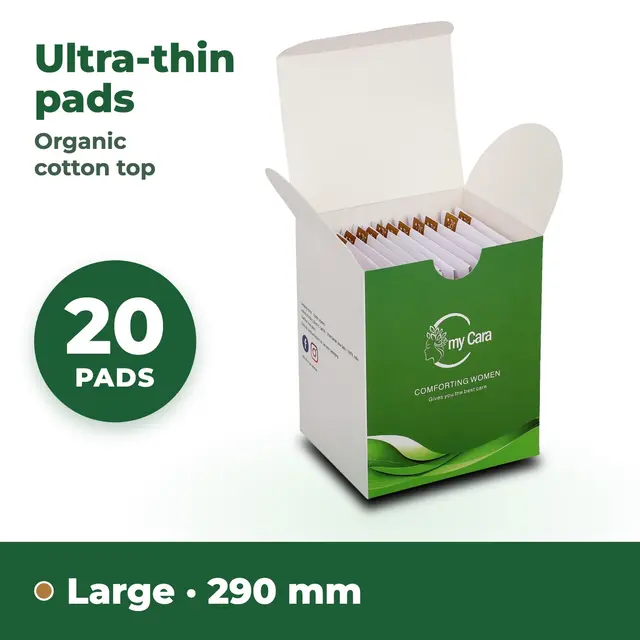
For your period
My Cara Ultra-thin Sanitary Pads with Organic Cotton Top Layer (20 Large)
20 Large pads
299 rupees
Keep reading
Common menstrual disorders
Painful, heavy or missed periods? Learn the signs of common period problems like PCOS, endometriosis, PMS and amenorrhea, and when to see a doctor.
Painful sex reasons: why it hurts and what can help
Painful sex is common and treatable. Learn the usual reasons, from dryness and infection to vaginismus and endometriosis, what helps and when to see a doctor.
Ovulation symptoms: signs, timing and your fertile days
Learn the common signs of ovulation, when it usually happens, how irregular periods change the timing, and when ovulation pain needs a doctor.
Heavy periods: how much bleeding is too much and why it happens
How to tell if your periods are too heavy, what causes heavy bleeding and clots, why it can leave you tired, and when to see a gynaecologist.
Fibroids in uterus: symptoms, causes and treatment options
Fibroids are common, non-cancerous growths in the uterus. Learn the symptoms, causes, treatment options, fibroids in pregnancy and their meaning in Hindi.
Period pain relief: home remedies that help and when to worry
Why period cramps happen, simple home remedies and gentle exercises for relief, and the signs that period pain may need a gynaecologist's check.
