PCOD vs PCOS: is there a difference, and what it means for you
In short: In India, PCOD and PCOS are usually two names for the same thing. PCOS (polycystic ovary syndrome) is the proper medical term. It is a common hormone condition that can cause irregular periods, acne, extra facial hair and weight gain. It cannot be cured, but it can be managed well, and many women with PCOS get pregnant. See a gynaecologist if your periods are irregular or you have these signs.
You may have heard one doctor say PCOD and another say PCOS, and wondered if you have two different problems. You probably don't. Let's clear up the confusion, gently and simply.
If you have just been told you have PCOS, take a breath. It is very common, it is not your fault, and there is a lot you can do.
PCOD vs PCOS: is there a difference?
In everyday Indian use, PCOD (polycystic ovarian disease) and PCOS (polycystic ovary syndrome) mean the same condition. Some websites say PCOD is "milder" and PCOS is "more serious", but doctors do not use two separate diagnoses this way.
PCOS is the name used in medical guidelines. It is called a "syndrome" because it is a group of signs that show up together, and it affects much more than the ovaries. It touches your periods, skin, hair, weight, mood and how your body handles sugar.
You may also see a newer name. There has been a move to rename PCOS as PMOS, short for polyendocrine metabolic ovarian syndrome. The idea is that the new name shows it is a whole-body hormone and metabolism condition, not just a problem of "cysts". Your doctor may use any of these names. The care is the same.
PCOD kya hota hai? What is actually going on
In PCOS, the hormones that control your cycle get a little out of balance:
- The ovaries may make more androgens (often called "male hormones", though all women have some).
- Eggs may not be released every month, so ovulation is irregular. That is why periods come late or skip.
- Many women have insulin resistance, which means the body has to work harder to keep blood sugar steady. This can make weight gain easier and weight loss harder.
On an ultrasound, the ovaries may show many small follicles. These are often called "cysts", but they are not the same as a single ovarian cyst. An ovarian cyst and PCOS are not the same thing: a simple cyst is one fluid-filled sac that often goes away on its own, while PCOS is a hormone condition.
The exact cause is not known. It often runs in families, and lifestyle can make the signs better or worse.
PCOS symptoms to look out for
Every woman's PCOS looks a little different. You may have some of these, not all:
- Irregular periods, periods that come more than 35 days apart, or months with no period
- Acne on the face, chest or back that does not settle
- Extra hair on the chin, upper lip, chest or tummy
- Thinning hair on the scalp
- Weight gain, especially around the tummy
- Dark, velvety patches of skin on the neck or in the armpits
- Difficulty getting pregnant
- Feeling low, anxious or tired
If you want to know what your cycle might look like, read what a normal period looks like with PCOS.
How a doctor finds out if you have PCOS
There is no single test for PCOS. A gynaecologist usually looks for at least two of these three things:
- Irregular or missed periods, which point to irregular ovulation
- Signs of high androgens, either on your skin (acne, extra hair) or in a blood test
- Ovaries with many small follicles on an ultrasound
The doctor will also want to rule out other reasons for the same signs, such as a thyroid problem or a high prolactin level. So you may have blood tests for hormones, thyroid, blood sugar and cholesterol. In young girls in the first couple of years after periods start, cycles are often irregular anyway, so doctors are careful before calling it PCOS.
What helps: living well with PCOS
PCOS cannot be cured, but it can be managed well. Small, steady habits help more than strict diets:
- Move every day. A brisk walk, yoga, dancing or cycling all count. Muscles that work help your body use sugar better.
- Eat simple, filling meals. Dal, vegetables, whole grains like jowar, bajra or brown rice, eggs, paneer and curd keep you full for longer. Cut down on sweets, sugary drinks, maida and fried snacks.
- Gentle weight loss if you need it. Even a small loss can make periods more regular. You don't need to aim for a "perfect" body.
- Sleep and stress. Poor sleep and constant stress can upset hormones further.
- Track your periods. Note the dates. It helps your doctor see the pattern.
For the skin, hair and period concerns, a doctor can suggest ways to regulate your periods and treat acne or hair growth. Please don't try remedies you saw online without checking first. For a deeper look, see unlocking the mystery of PCOS.
PCOS and pregnancy
This is often the biggest worry, so let's say it clearly: many women with PCOS get pregnant, some naturally and some with help.
Because ovulation can be irregular, it may take longer. If you are under 35 and have been trying for a year, or over 35 and trying for six months, see a gynaecologist. If your periods are very irregular, it is fine to go sooner. Healthy weight, regular movement and good food can help ovulation return. Once pregnant, your doctor may check your blood sugar more closely, since women with PCOS have a higher chance of diabetes in pregnancy.
When to see a gynaecologist
Book a visit if:
- Your periods come more than 35 days apart or you miss three or more in a row
- You have acne, extra hair or weight gain that worries you
- You have been trying to get pregnant without success
- You feel very low or anxious about your body
Long gaps without periods matter. Over time, the lining of the womb can build up, so your doctor will want to make sure you have a bleed regularly.
Go to a doctor the same day if:
- You have sudden, severe or one-sided tummy pain
- You are soaking a pad every hour for 2 hours or more
- You feel faint, dizzy or very weak
- You have a positive pregnancy test with pain or bleeding
- You have fever with pelvic pain
Questions women ask
What is the difference between PCOS and PCOD?
In practice, there is no real difference. Both names describe the same hormone condition. PCOS is the medical term used in guidelines, while PCOD is a name that is popular in India. What matters is your symptoms and how they are managed, not which label is used.
What is the new name for PCOS?
There has been a move to rename PCOS as PMOS, which stands for polyendocrine metabolic ovarian syndrome. The new name is meant to show that it affects hormones and metabolism across the whole body, not just the ovaries. You may hear any of these names.
Are an ovarian cyst and PCOS the same?
No. An ovarian cyst is usually a single fluid-filled sac that often goes away on its own. PCOS is a hormone condition where the ovaries can show many small follicles on ultrasound. You can have a cyst without PCOS, and PCOS without a large cyst.
Can I get pregnant if I have PCOS?
Yes, many women with PCOS get pregnant. It may take longer because ovulation can be irregular. If you have been trying for a year (or six months if you are over 35), or your periods are very irregular, a gynaecologist can help you find the right support.
Can PCOS be cured?
PCOS cannot be cured, but it can be managed well. Regular movement, simple balanced meals, good sleep and regular check-ups can improve periods, skin and energy. A doctor can treat specific symptoms like irregular periods, acne or extra hair growth.
General information, not medical advice. Talk to a doctor about your own health.
Talk to a doctor about PCOSFrom the Femease store

For your period
My Cara Ultra-thin Sanitary Pads with Organic Cotton Top Layer (4M+4L+4XL)
12 pads (4 M, 4 L, 4 XL)
199 rupees
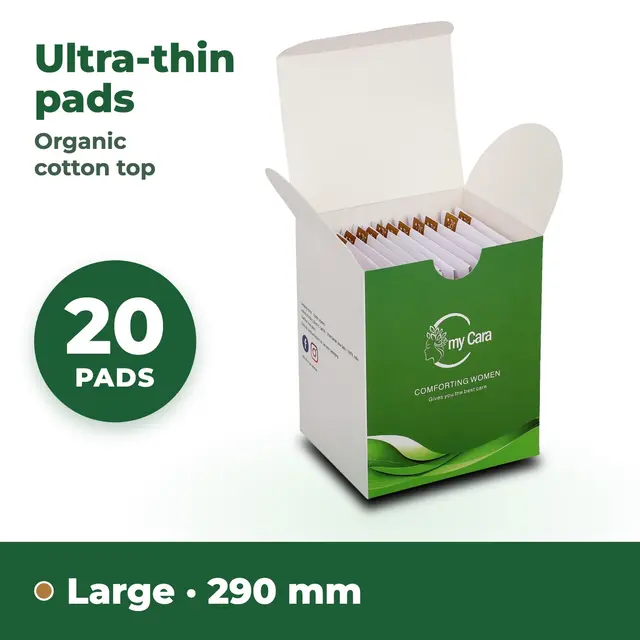
For your period
My Cara Ultra-thin Sanitary Pads with Organic Cotton Top Layer (20 Large)
20 Large pads
299 rupees
Keep reading
Hypomenorrhea: what very light periods can mean
Hypomenorrhea means unusually light periods. Common causes, from PCOS and thyroid problems to low body weight and stress, and when to see a doctor.
What a “normal” period looks like with PCOS
Irregular periods with PCOS? Learn what a normal period can look like with PCOS, from missed to light or heavy periods, and when to talk to your doctor.
Unlocking the mystery of PCOS
Think you have PCOS? Learn the different types of PCOS people talk about and the tests doctors use to diagnose it, from blood tests to an ultrasound.
How I reversed my PCOS naturally
A journey back to myself
The Menstrual Cycle Decoded: Your Guide to Hormonal Harmony
Stop fighting your flow: How understanding the 4 phases can revolutionise your energy, mood, and fitness
White discharge: what's normal and when to worry
White discharge is usually normal and changes through your cycle. Learn the signs of yeast infection, BV and other infections, and when to see a doctor.
