How I reversed my PCOS naturally
In short: PCOS cannot be cured or permanently reversed, but its symptoms can be managed very well. For many women, whole foods, regular gentle movement, good sleep and less stress bring periods back to a steadier rhythm and ease acne, bloating and tiredness. This is one woman's personal story, and every body responds differently. Work with a gynaecologist, especially if your periods stay irregular, you are trying to get pregnant, or you notice a lot of hair fall or weight change.
There was a time when I couldn't recognize myself in the mirror.
Bloated, exhausted, skin breaking out like a teenager, hair falling out in clumps, and worst of all, my periods were like a cruel joke. Sometimes they’d come with a vengeance, other times they’d vanish for months. I was only 27, but I felt 47. That's when I was diagnosed with Polycystic Ovary Syndrome (PCOS).
At first, I thought, Okay, a quick fix and it’ll be sorted. But PCOS is not that kind of guest, it doesn’t leave quietly. It takes over your body, your confidence, your sleep, and your sanity. My doctor started me on treatment and gave me some general advice like “Lose weight and eat healthy,” but I wanted to understand what that really meant for me.
But I wasn’t ready to settle. I didn’t want to just put up with PCOS, I wanted to understand it and work with my body to manage it well.
Step 1: Listening to My Body, Not Fighting It
I started journaling everything, what I ate, how I felt, my sleep, my cycle (or lack of it), even my mood swings. What I discovered was eye-opening. I wasn’t eating poorly, but I wasn’t eating right for me. My breakfasts were too sugary, my snacks too processed, and I was skipping meals in the name of “eating less.”
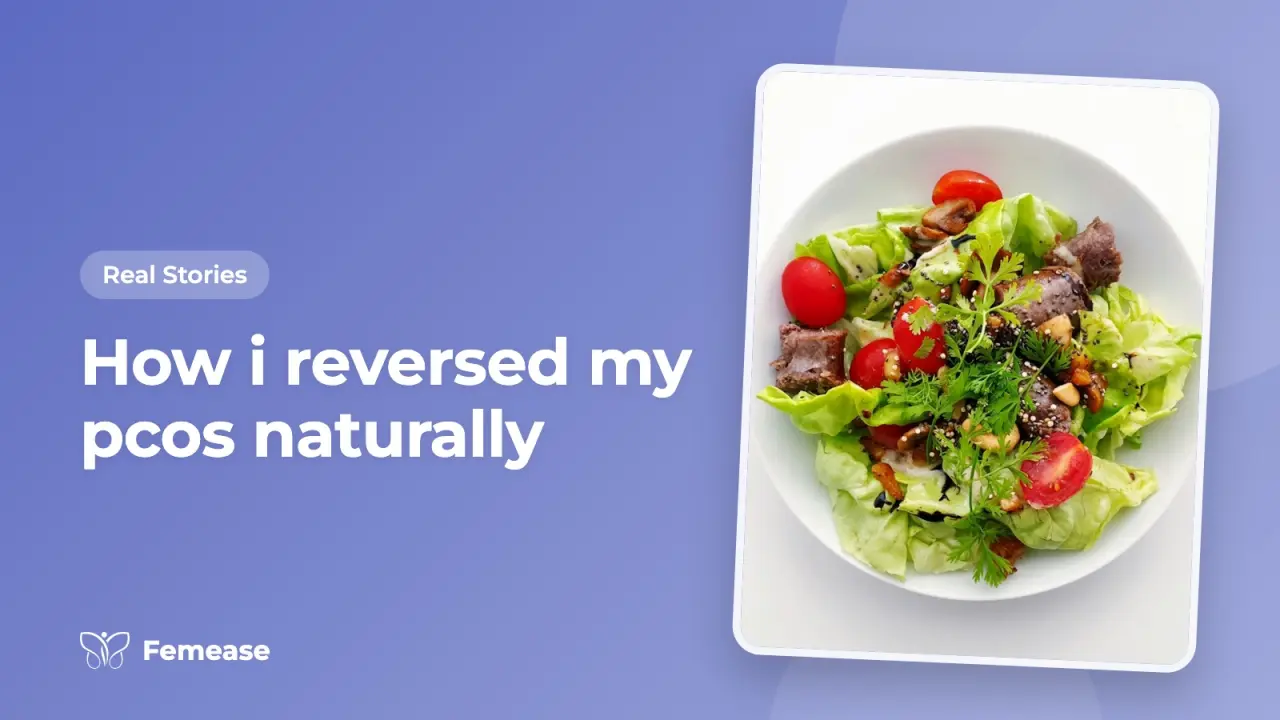
I switched to whole foods, complex carbs like millets, lots of veggies, seeds, good fats, and protein with every meal. I began to see food as nourishment, not punishment.
Step 2: Movement, Not Punishment
I used to go hard at the gym, thinking more sweat = more weight loss = less PCOS. But the intense workouts were stressing me out more. My cortisol levels were probably through the roof.
I swapped heavy lifting and HIIT for daily walks, yoga, strength training twice a week, and dancing when I felt like it. My body started thanking me. My bloating reduced, and I started sleeping better.
Step 3: Fixing My Sleep and Stress
I underestimated the power of rest. I had been living in survival mode, overworking, doom-scrolling, and barely sleeping. So I created a wind-down routine: herbal teas, no screens an hour before bed, and gratitude journaling.
Also, therapy. Because PCOS isn’t just physical. It messes with your self-esteem. Talking to someone helped me navigate the emotional rollercoaster, especially the fear of infertility.
Step 4: Ayurveda and Functional Healing
This was the game-changer for me. I found an Ayurvedic practitioner who helped me understand my prakriti (body constitution) and how, in Ayurveda, imbalances in pitta and kapha are seen as linked to symptoms like mine. Together we set up daily routines around regular meals, digestion and rest.
Under her guidance, I also added ashwagandha, shatavari and spearmint tea, which are traditionally used in Ayurveda and Indian homes for women's health.
Slowly, my skin cleared up, my energy returned, and… my periods came back. Naturally. After almost a year of irregular cycles. A word of caution, though: these work alongside, not instead of, your doctor's care, and no herb cures PCOS. If you are pregnant, trying to conceive, breastfeeding, have a health condition or are on treatment, check with your doctor before taking any herb.
I won’t lie and say it was easy. There were setbacks. There were times I thought, This isn’t working. But I kept going, and now my periods come every 30–33 days. No more sugar crashes. I’ve even lost the stubborn 7 kgs that used to cling on no matter what I did.
My message to you
If you have PCOS, please know you’re not lazy, weak, or broken. Your body is talking to you. You just need to learn the language.
Managing PCOS doesn’t mean perfection. PCOS can be managed but not cured, so I still have to be mindful. But I live with freedom now. Food is not the enemy. My body is not my battleground. And I’ve never felt more in sync with myself.
If I could find my way, burnt out, frustrated, and utterly lost, you can find yours too, with your gynaecologist by your side.
Questions women ask
Can PCOS be reversed naturally?
PCOS cannot be cured, but symptoms can often be managed well with lifestyle changes. Eating whole foods, moving daily, sleeping well and managing stress can help periods become more regular. The condition can come back if those habits slip, so think of it as long-term care, not a one-time fix.
What is a PCOS reversal program?
These programs usually combine diet, exercise, sleep and stress support. Some can be helpful, but be careful of any program that promises a cure or a fixed result. Choose one that works alongside your gynaecologist, not instead of her, and never stop any treatment your doctor has advised without asking first.
What diet helps PCOS in India?
Simple, home-style food works well: millets, dal, plenty of vegetables, seeds, good fats, and some protein with every meal. Cut down on sugary breakfasts and packaged snacks, and try not to skip meals. A doctor or nutritionist can help you plan meals that suit your body.
When should I see a doctor for PCOS?
See a gynaecologist if your periods are very irregular or stop for months, if you are trying to get pregnant, or if acne, hair fall or extra facial hair is troubling you. Also check in if you feel low or anxious most days, as PCOS can affect your mood too.
General information, not medical advice. Talk to a doctor about your own health.
Talk to a doctor about PCOSKeep reading in the Femease app
Save articles, track your cycle or pregnancy, and talk to a doctor when you need one.
Keep reading
Balancing hormones naturally
Signs of hormonal imbalance like fatigue, acne or irregular periods? Learn how food, sleep, stress care and movement can support your hormones.
What a “normal” period looks like with PCOS
Irregular periods with PCOS? Learn what a normal period can look like with PCOS, from missed to light or heavy periods, and when to talk to your doctor.
From silence to strength
My Journey Through Workplace Harassment and Healing
Unlocking the mystery of PCOS
Think you have PCOS? Learn the different types of PCOS people talk about and the tests doctors use to diagnose it, from blood tests to an ultrasound.
Motherhood, guilt and rage
Meera's story about postpartum rage
Overcoming eating disorders
Rediscovering My Body
