Unlocking the mystery of PCOS
In short: PCOS is a common hormone condition that can cause irregular periods, acne, extra facial or body hair and weight changes. There is no single test for it. A doctor looks at your symptoms and history, does an examination, and usually orders blood tests for hormones, thyroid and sugar, and an ultrasound of the ovaries. If your periods are irregular or you have these symptoms, see a gynaecologist for a proper check.
Polycystic Ovary Syndrome (PCOS) is a complex hormonal disorder that affects many women, often leading to confusion and frustration. Understanding the various types of PCOS and the crucial tests for diagnosis can empower you to take control of your health. If you've been struggling with irregular periods, weight changes, or skin issues, read on to learn more about this condition and what you can do to manage it effectively.
Types of PCOS
PCOS is not a one-size-fits-all condition; it can manifest in various forms. Here are the main types of PCOS:
Insulin-Resistant PCOS
This is the most common type, where the body’s cells become resistant to insulin, leading to higher insulin levels. This can result in weight gain, irregular periods, and increased androgen levels, contributing to symptoms like acne and excess hair growth.
Adrenal PCOS
This type is characterized by elevated levels of androgens produced by the adrenal glands. Symptoms may include severe acne, excessive hair growth, and irregular periods. Adrenal PCOS may occur in conjunction with other types or on its own.
Inflammatory PCOS
Chronic inflammation can lead to hormonal imbalances that mimic PCOS. This type is often associated with other inflammatory conditions, such as obesity or autoimmune disorders. Women with inflammatory PCOS may experience similar symptoms, including weight gain and menstrual irregularities.
Understanding the type of PCOS you have is essential for tailoring an effective treatment plan. Each type may respond differently to lifestyle changes and medical interventions.
Essential Tests for Diagnosing PCOS
If you suspect you have PCOS, it’s important to consult with a healthcare professional. Here are some common tests that may be performed for diagnosis:
Medical History and Physical Examination
Your doctor will review your medical history and symptoms. They may conduct a physical exam to check for signs of excess hair growth, acne, or weight gain.
Blood tests Blood tests are essential to measure hormone levels, including:
Androgens: Elevated levels of male hormones can indicate PCOS.
Insulin: Testing for insulin resistance can help identify insulin-resistant PCOS.
Thyroid Hormones: To rule out thyroid disorders that can cause similar symptoms.
Lipid Profile: To assess cholesterol levels, which may be affected by PCOS.
Ultrasound
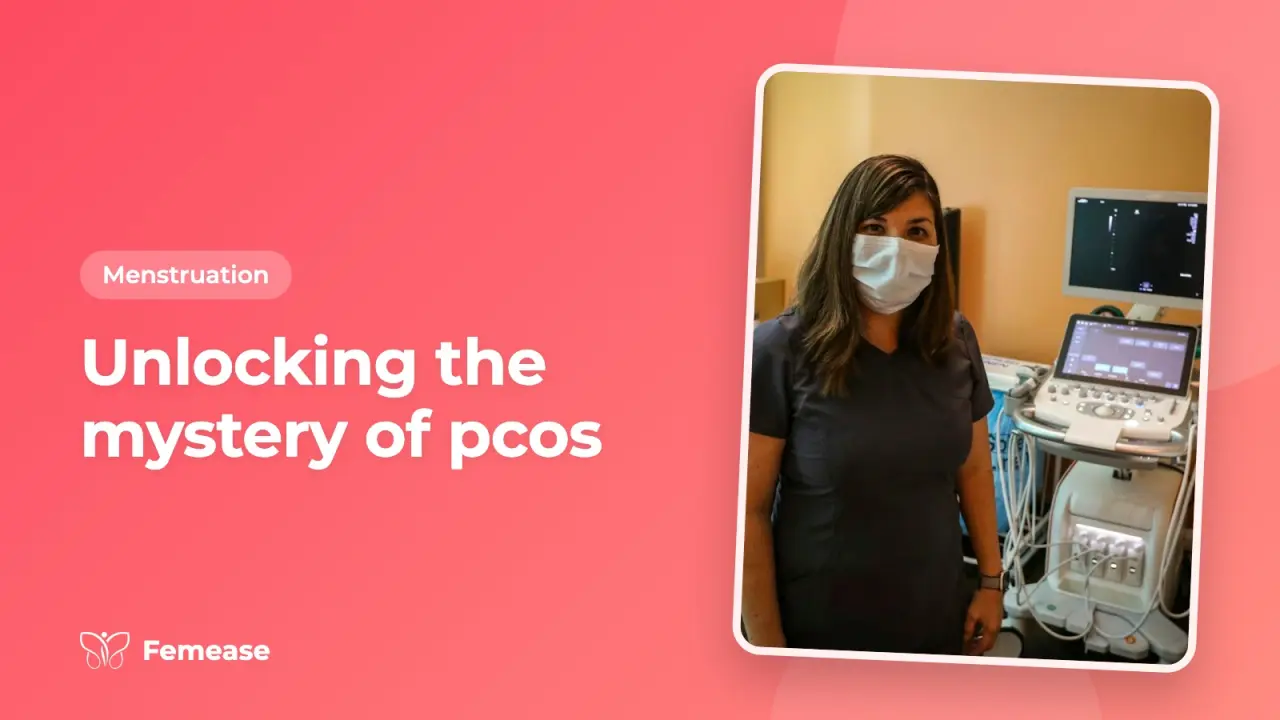
A transvaginal ultrasound may be performed to check for the presence of cysts on the ovaries. A typical PCOS ultrasound shows multiple small cysts along the outer edge of the ovaries.
Pelvic Exam
A pelvic exam can help identify any abnormalities in the reproductive organs and rule out other conditions.
Glucose Tolerance Test
This test assesses how your body processes glucose, helping to identify insulin resistance and the risk of developing type 2 diabetes.
Conclusion
Understanding the different types of PCOS and undergoing the necessary tests is essential for effective management. If you’re experiencing symptoms of PCOS, don’t hesitate to reach out for professional help. Early diagnosis and personalized treatment can lead to better health outcomes and improved quality of life.
At Femease, we provide tailored health plans and expert guidance for managing PCOS. Whether you need nutritional support, lifestyle modifications, or access to specialists, we’re here to help you navigate your journey toward hormonal balance and overall wellness.
Questions women ask
How is PCOS diagnosed?
A doctor puts together your history, a physical examination, blood tests and often an ultrasound. No single test confirms PCOS on its own. The doctor also checks for other conditions, such as thyroid problems, that can cause similar symptoms.
Which blood tests are done for PCOS?
Doctors usually check male hormone (androgen) levels, thyroid hormones, insulin or blood sugar, and cholesterol. A glucose tolerance test may be done to look for insulin resistance and the risk of type 2 diabetes. Your gynaecologist will decide which tests you need.
What does a PCOS ultrasound show?
An ultrasound may show many small fluid-filled sacs along the outer edge of the ovaries. These are often called cysts. An ultrasound alone does not confirm PCOS, so the doctor reads it together with your symptoms and blood tests.
What are the types of PCOS?
You may read about insulin-resistant, adrenal and inflammatory PCOS. Insulin resistance is common in PCOS and can worsen weight gain and irregular periods. These labels are not official medical categories, so ask your gynaecologist what is driving your own symptoms.
Can PCOS be cured?
PCOS cannot be cured, but symptoms can be managed well with lifestyle changes such as regular activity, balanced meals and good sleep, along with a doctor's care. Early diagnosis helps you protect your long-term health.
General information, not medical advice. Talk to a doctor about your own health.
Talk to a doctor about PCOSFrom the Femease store

For your period
My Cara Ultra-thin Sanitary Pads with Organic Cotton Top Layer (4M+4L+4XL)
12 pads (4 M, 4 L, 4 XL)
199 rupees

For your period
My Cara Ultra-thin Sanitary Pads with Organic Cotton Top Layer (20 Large)
20 Large pads
299 rupees
Keep reading
What a “normal” period looks like with PCOS
Irregular periods with PCOS? Learn what a normal period can look like with PCOS, from missed to light or heavy periods, and when to talk to your doctor.

Unlocking radiance
Glowing skin with Ayurveda: find your dosha, vata, pitta or kapha, and simple skincare tips for each, from oils and gentle masks to cooling ingredients.

PCOD vs PCOS: is there a difference, and what it means for you
PCOD and PCOS are usually the same condition. Learn the symptoms, how a doctor checks for it, the new name PMOS, and what it means for pregnancy.

How I reversed my PCOS naturally
A journey back to myself
Common menstrual disorders
Painful, heavy or missed periods? Learn the signs of common period problems like PCOS, endometriosis, PMS and amenorrhea, and when to see a doctor.

Teens and menstruation
How to talk to your daughter about periods? A parent's guide to starting early, explaining body changes, period products, hygiene and emotional support.
