The Menstrual Cycle Decoded: Your Guide to Hormonal Harmony
In short: The menstrual cycle has four phases: menstrual (your period), follicular (oestrogen rises and energy picks up), ovulation (oestrogen and LH peak and an egg is released) and luteal (progesterone rises, then both hormones fall, which can bring PMS). These hormone shifts can change your energy and mood across the month. A normal cycle is usually 21 to 35 days. See a gynaecologist if cycles stay outside this range, bleeding lasts more than 7 days, or PMS stops your daily life.
More than just a Period:
For too long, the menstrual cycle has been reduced to a monthly inconvenience—a topic often shrouded in vague discomfort. But the truth is, your cycle is your fifth vital sign and a powerful driver of your overall health, energy, and mood. It is a complex, beautiful, 28-ish-day symphony of hormones, and truly understanding its four distinct phases—and how they impact your body and mind—is the ultimate wellness hack. This is your guide to decoding your cycle and harnessing its power to achieve hormonal harmony.
Phase 1: The Menstrual Phase (Days 1–5/7)
This is the start of the cycle, marked by bleeding. Hormones are at their lowest point, leading to a necessary dip in energy and a feeling of introspection
- Hormone health: Estrogen and progesterone: LOW
- Energy and Mood: Low energy, introspective. A time for rest, reflection, and recovery
- Wellness strategy: Movement: Gentle activities like restorative yoga, walking, and stretching. Nutrition: Warm, iron-rich, and comforting foods (lentils, dark leafy greens, bone broth). Prioritize hydration.
The Expert Takeaway: Don't fight the urge to rest. This is not a time for high-intensity workouts or packed social calendars. Your body is literally rebuilding; support it by slowing down.
Phase 2: The Follicular Phase (Days 6–14)
As bleeding stops, a new follicle begins to mature, causing estrogen levels to steadily rise. This is often called the "spring" of your cycle.
- Hormone health: Estrogen: RISING STEADILY
- Energy and Mood: Rising energy, mental clarity, optimism. A great time for planning and productivity.
- Wellness strategy: Movement: Increasing energy supports new routines. Introduce cardio, HIIT, and heavier strength training. Nutrition: Lighter, fresher foods. Focus on B vitamins and complex carbs to support rising energy (whole grains, citrus).
The Expert Takeaway: This is your peak window for starting new projects, having difficult conversations, and trying a challenging fitness routine. Harness your mental sharpness!
Phase 3: The Ovulatory Phase (Days 12–16)
Estrogen reaches its peak, triggering a surge in Luteinizing Hormone (LH), which releases the egg. This is the energetic peak of the entire cycle.
- Hormone health: Estrogen and LH: PEAK
- Energy and Mood: Highest energy and mood, social, confident. Feeling of being "magnetic."
- Wellness strategy: Movement: Maximize performance with your most intense workouts. Focus on personal bests, running, and dance. Nutrition: A good time for plenty of vegetables, including cabbage, cauliflower and broccoli. Focus on fiber.
The Expert Takeaway: You feel your best and are most capable of intense physical and social demands. Capitalize on this peak, but be mindful of the sudden drop in estrogen to follow.
Phase 4: The Luteal Phase (Days 17–28)
The longest and most misunderstood phase. Estrogen dips, progesterone rises to support a potential pregnancy, and then both hormones fall dramatically if conception does not occur, leading into the period.
- Hormone health: Progesterone: Rises, then drops. Estrogen: Drops sharply.
- Energy and Mood: Energy starts strong, then slows. Mood shifts, concentration dips, PMS symptoms may appear (bloating, irritability).
- Wellness strategy: Movement: Transition from intense workouts to sustained, steady movements: power walking, Pilates, and resistance training. Nutrition: Focus on foods rich in magnesium and calcium, like nuts, seeds, greens and dairy. Reduce caffeine, sugar, and salt to minimize water retention/bloating.
The Expert Takeaway: Progesterone has a calming effect, but the later drop is responsible for common PMS symptoms. Be gentle with yourself, lower your expectations, and swap high-stress tasks for focused completion work.
What is "Hormonal Imbalance" and when to seek help?
Your cycle offers clear signals about your health. While minor fluctuations are normal, persistent or severe symptoms are signs that your hormones are out of tune.
Red flags of Iimbalance:-
- Severe PMS: Pain so bad it requires days off work, incapacitating migraines, or debilitating mood swings.
- Irregular Periods: Cycles consistently shorter than 21 days or longer than 35 days, or cycles that vary by more than seven days month-to-month.
- Heavy or Long Bleeding: Bleeding that lasts more than seven days or requires changing pads/tampons every hour (if you soak a pad every hour, go to hospital straight away).
- Acne, Hair Loss, or Sudden Weight Gain/Loss.
If you experience these symptoms, ask on our Femease Fam, exclusive on Femease app, available on ios and Google Play Store.
They can test hormone levels and investigate underlying conditions like PCOS, endometriosis, or thyroid dysfunction.
Achieving Daily Hormonal Harmony:
3 Actionable Tips:
1. Prioritize Sleep (Always): Hormones are regulated overnight. Aim for 7-9 hours of restorative sleep to manage cortisol (the stress hormone) and support a steady cycle.
2. Cycle Sync Your Plate: Pay attention to the nutrient needs of each phase. For example, add healthy fats in the luteal phase (avocado, nuts) to keep you full and steady.
3. Manage Your Stressors: Chronic stress keeps cortisol high, which can upset your cycle.
4. Schedule downtime (even 15 minutes!) as non-negotiable health care.
Know Your Rhythm, Own your Health
The menstrual cycle is not a curse; it is a roadmap. By charting your energy, mood, and symptoms across the four phases, you gain an incredible tool for proactive self-care. Start tracking today. You will find that a deeper understanding of your body’s natural rhythm is the key to unlocking consistent energy and enduring wellness.
Questions women ask
What are the 4 phases of the menstrual cycle?
The menstrual phase is your period. In the follicular phase an egg matures and oestrogen rises. In the ovulatory phase, around the middle of the cycle, an egg is released. In the luteal phase progesterone rises, and if there is no pregnancy, hormones drop and the next period starts.
How do the menstrual cycle phases affect mood?
Many women feel low on energy during their period, brighter and more confident as oestrogen rises towards ovulation, and more irritable or tired in the late luteal phase when hormones drop. Tracking your mood can help you plan rest and busy days.
Which hormones control the menstrual cycle?
FSH helps an egg mature and oestrogen rise. A surge of LH triggers ovulation. After that, progesterone keeps the uterine lining ready for a possible pregnancy. When oestrogen and progesterone fall, the lining sheds as your period.
What is a normal menstrual cycle length?
Around 28 days is average, but 21 to 35 days is normal for adults. Bleeding usually lasts 3 to 7 days. See a gynaecologist if cycles are often shorter than 21 or longer than 35 days, or vary a lot from month to month.
When should I see a doctor about my cycle?
See a gynaecologist for PMS or pain that makes you miss work, bleeding longer than 7 days, irregular cycles, or new acne, hair loss or sudden weight change. Go to hospital straight away if you soak a pad every hour or feel faint.
General information, not medical advice. Talk to a doctor about your own health.
Talk to a doctor about your periodsFrom the Femease store
For your period
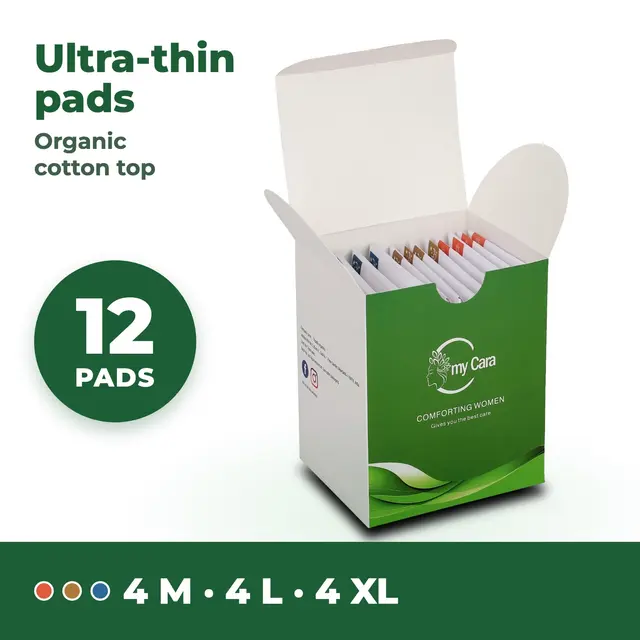
My Cara Ultra-thin Sanitary Pads with Organic Cotton Top Layer (4M+4L+4XL)
12 pads (4 M, 4 L, 4 XL)
199 rupees
For your period
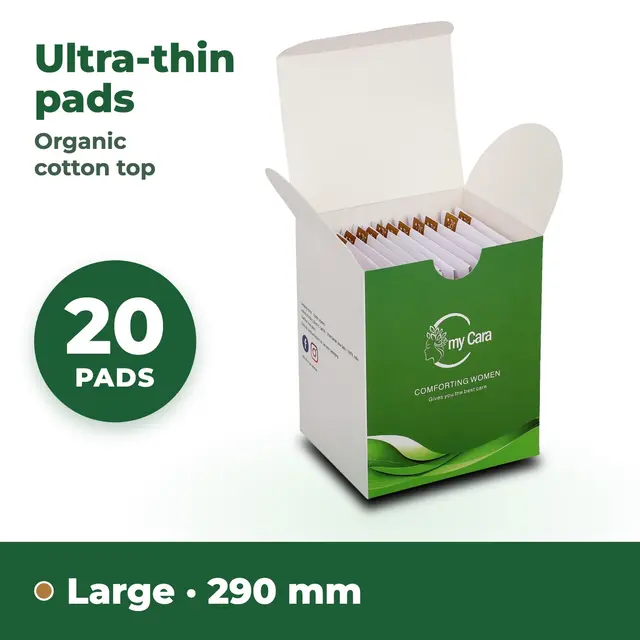
My Cara Ultra-thin Sanitary Pads with Organic Cotton Top Layer (20 Large)
20 Large pads
299 rupees
More about menstruation
Understanding hormonal testing for menstrual irregularities
Discover how simple blood tests can reveal the hidden causes behind menstrual irregularities, so you can take back control of your cycle and your health.
Menstrual cycle and immunity
Catch a cold before your period? Learn how your immune system changes in each phase of your menstrual cycle, and simple ways to look after yourself.
The menstrual cycle’s impact on cognitive performance
Brain fog on your period? Learn how focus, memory and decision-making change across your menstrual cycle, and tips to work with each phase.
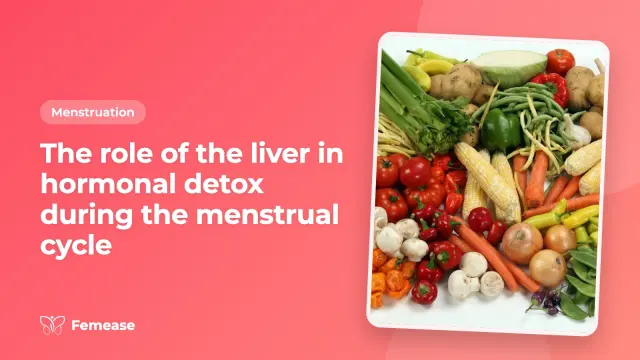
The role of the liver in hormonal detox during the menstrual cycle
Why supporting your liver might be the missing piece in easing painful periods and mood swings
Yeast infections and bacterial vaginosis during menstruation
Understanding the Common Causes, Symptoms, and Solutions for Vaginal Infections Linked to Your Menstrual Cycle
PCOD vs PCOS: is there a difference, and what it means for you
PCOD and PCOS are usually the same condition. Learn the symptoms, how a doctor checks for it, the new name PMOS, and what it means for pregnancy.
