Period pain relief: home remedies that help and when to worry
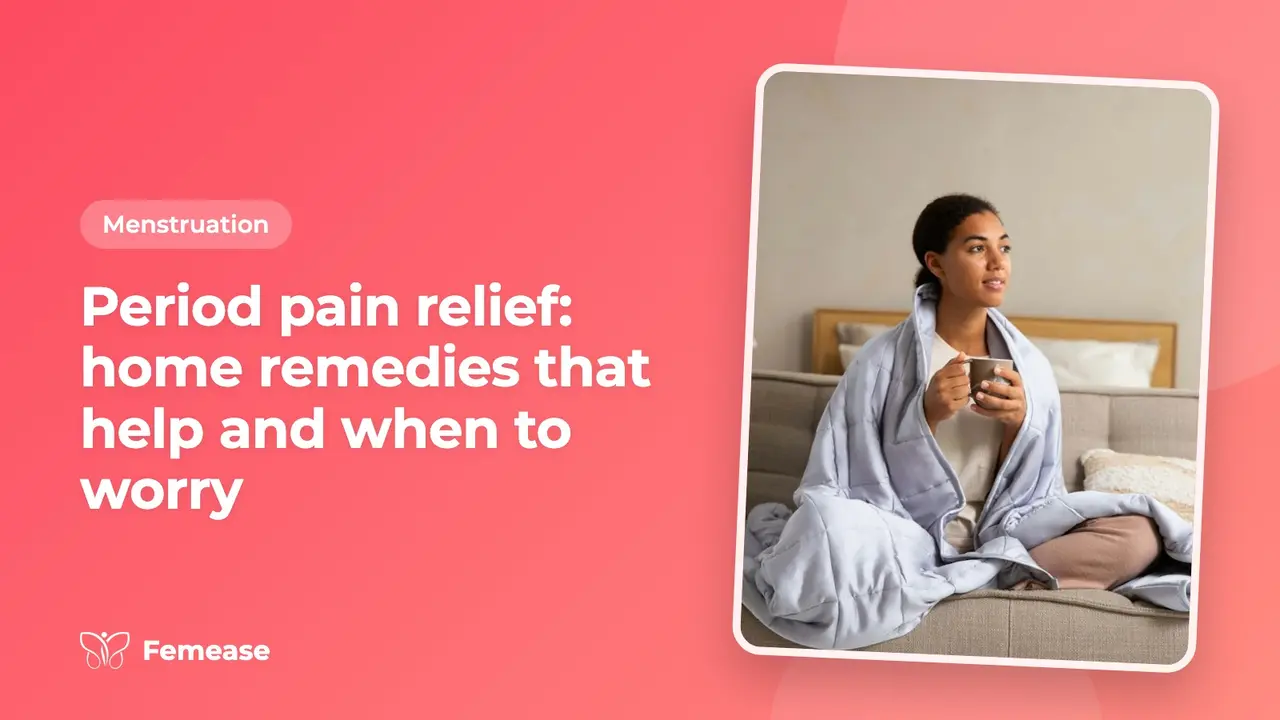
In short: Period pain is caused by the uterus tightening to shed its lining, and mild to moderate cramps in the first day or two are common. Heat on your tummy, gentle movement, warm drinks, rest and good sleep often bring real relief. Pain that stops you from daily life, keeps getting worse, or comes with heavy bleeding, fever or pain during sex is not normal and is worth a visit to a gynaecologist.
Many of us grew up being told that period pain is just something to put up with. Some cramping is normal, but you do not have to suffer quietly, and very strong pain deserves attention.
Here is why cramps happen, what you can do at home, and how to tell when the pain may be a sign of something else.
Why do periods hurt?
During your period, the lining of the uterus breaks down and comes out as blood. To push it out, the uterus muscle tightens and relaxes. Chemicals called prostaglandins drive these squeezes. When prostaglandin levels are high, the squeezes are stronger and you feel cramps.
Prostaglandins can also reach other parts of the body. That is why some women feel back pain, pain down the thighs, a headache, loose motions or nausea during their period.
What period pain is normal?
Common, normal period pain usually:
- Starts just before or as bleeding begins.
- Is strongest on the first one or two days, then eases.
- Feels like cramping or a dull ache in the lower tummy, sometimes the lower back or thighs.
- Improves with heat, rest and simple care.
Many women find their cramps become milder as they get older or after having a baby, though this is not true for everyone.
Period pain relief: home remedies that help
These simple steps help many women:
- Heat: A hot water bag or a warm towel on the lower tummy or back relaxes the muscle. A warm bath or shower helps too. Keep the heat warm, not hot, to protect your skin.
- Warm drinks: Warm water, ginger tea, ajwain water or a cup of herbal tea can feel soothing.
- Gentle tummy massage: Rub your lower tummy in slow circles with a little warm oil.
- Eat light and regular: Small meals with dal, vegetables, fruit, curd and whole grains are easier on the body. Too much tea, coffee and sugar may make cramps feel worse for some women. Read more in can coffee and sugar make period cramps worse?
- Drink enough water: Feeling bloated and dehydrated can make the ache feel heavier.
- Rest and sleep: Lie on your side with knees bent, or on your back with a pillow under your knees.
- Food and minerals: Some women find a diet with enough magnesium-rich foods like nuts, seeds and leafy greens helps. See the role of magnesium in period cramps.
Exercise and yoga for period pain
It may sound strange, but gentle movement often eases cramps by improving blood flow and relaxing the muscles.
- A slow walk: Even a short walk can help.
- Child's pose: Kneel, sit back on your heels and fold forward with your arms stretched out or resting by your sides. Breathe slowly.
- Cat-cow stretch: On hands and knees, gently round your back up, then let your tummy drop as you look up. Move with your breath.
- Knees to chest: Lie on your back and hug both knees gently towards your chest. Rock slowly side to side.
- Butterfly pose: Sit with the soles of your feet together and let your knees fall open, keeping your back tall.
- Slow breathing: Breathe in through your nose, let your tummy rise, and breathe out slowly.
Stop any pose that hurts. Our article on yoga and breathwork for period discomfort has more ideas.
When period pain is not normal
Strong pain is common, but it is not always "just periods". Some conditions can cause severe or changing pain:
- Endometriosis: Tissue like the lining of the uterus grows outside it. It can cause severe period pain, pain during sex, pain passing stools or urine during periods, and difficulty getting pregnant.
- Adenomyosis: The lining grows into the muscle wall of the uterus, often causing heavy, painful periods.
- Fibroids: Non-cancerous growths in the uterus that can cause heavy bleeding, pressure and pain.
- Pelvic infection: Can cause pain, fever and unusual discharge.
After a C-section, your first periods may feel different. Rarely, pain or a tender lump at the scar that flares with each period can be a sign of endometriosis in the scar, which a doctor should check.
Period pain with nausea or a little vomiting can happen because of prostaglandins. But vomiting so much that you cannot keep water down, or pain that makes you faint, needs a doctor.
When to see a gynaecologist
Book a visit if:
- Pain stops you from going to school, college or work, or doing daily tasks.
- Pain is getting worse over time, or started later in life after years of easy periods.
- Pain lasts beyond the first few days of your period, or comes between periods.
- You have pain during or after sex.
- You also have heavy bleeding, clots or very long periods.
- You are trying to get pregnant and it is not happening.
Go to a doctor the same day if:
- You have sudden, severe or one-sided tummy pain.
- You have fever with pelvic pain or foul-smelling discharge.
- You cannot stop vomiting or cannot keep fluids down.
- You faint or feel very dizzy.
- You have a positive pregnancy test with pain or bleeding.
- You are soaking a pad every hour for 2 hours or more.
How a doctor finds the cause
Your gynaecologist will ask about when the pain started, how it feels and what helps. They may examine your tummy and pelvis, and suggest an ultrasound to look for fibroids, cysts or signs of adenomyosis. Swabs or blood tests may check for infection. Sometimes endometriosis needs a small keyhole procedure to confirm it. The doctor can then suggest safe pain relief and the right treatment for the cause.
Questions women ask
What are the best home remedies for period pain?
Heat on the lower tummy or back, gentle movement, warm drinks like ginger tea, a light diet, enough water and good sleep help many women. If home care does not ease your pain, a gynaecologist can suggest safe pain relief that suits you.
Does exercise help with period pain?
Yes, gentle exercise often helps. A slow walk, child's pose, cat-cow stretch, knees to chest and slow breathing can relax the muscles and ease cramps. Avoid anything that hurts, and rest when you need to.
Why do I vomit with period pain?
The same chemicals that cause cramps, prostaglandins, can upset the stomach and cause nausea or vomiting. A little is common. If you cannot keep water down, feel faint, or this happens every month, see a gynaecologist.
Can period pain be a sign of endometriosis?
It can. Very painful periods that disrupt your life, pain during sex, or pain when passing stools during your period can point to endometriosis. A gynaecologist can look into it and help you manage it well.
Why is my period pain worse after a C-section?
Some women find periods feel different after a C-section as the body heals and hormones settle. Pain or a lump at the scar that flares with periods, or pain that keeps getting worse, should be checked by a gynaecologist.
General information, not medical advice. Talk to a doctor about your own health.
Talk to a doctor about your periodsFrom the Femease store
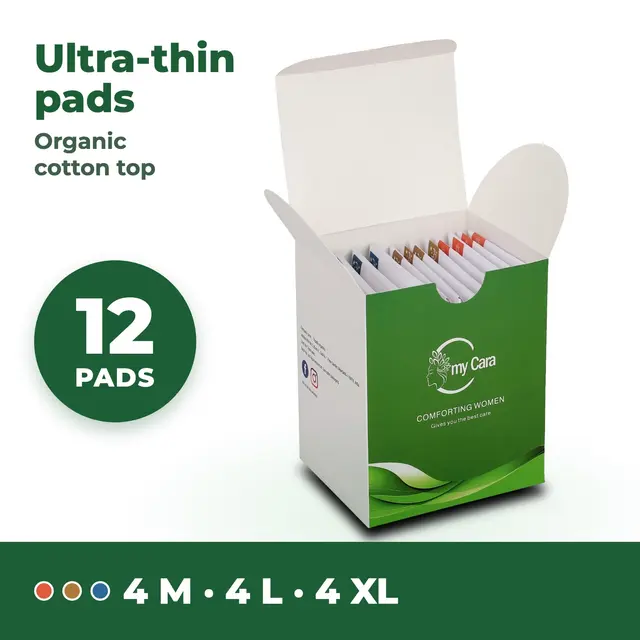
For your period
My Cara Ultra-thin Sanitary Pads with Organic Cotton Top Layer (4M+4L+4XL)
12 pads (4 M, 4 L, 4 XL)
199 rupees
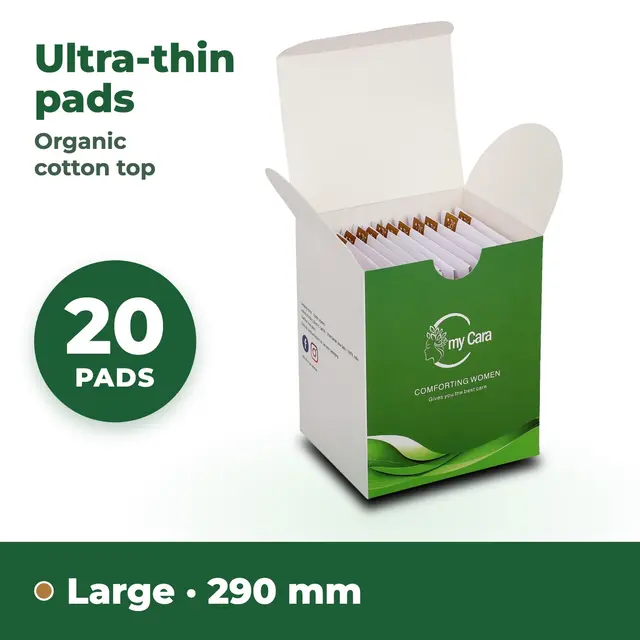
For your period
My Cara Ultra-thin Sanitary Pads with Organic Cotton Top Layer (20 Large)
20 Large pads
299 rupees
Keep reading
Joint pain during your period: why it happens and when to worry
Exploring less-recognized symptoms like ligament laxity and hypermobility syndromes.
Breast pain reason: why it happens and when to worry
Why breasts hurt before periods, in pregnancy, while breastfeeding and in perimenopause, what helps at home, and when breast pain needs a doctor.
Natural beauty remedies for common skin problems
Acne, dark spots or dry skin? Learn simple Ayurvedic home remedies like neem and turmeric paste, aloe vera masks and kumkumadi oil, and how to use them.
Brown discharge: why it happens and when to worry
Brown discharge is usually old blood. Learn why it appears before or after a period, in early pregnancy or with no period, and when to see a doctor.
Heavy periods: how much bleeding is too much and why it happens
How to tell if your periods are too heavy, what causes heavy bleeding and clots, why it can leave you tired, and when to see a gynaecologist.
Vaginal itching: common causes, safe home care and when to worry
Vaginal itching is common and usually easy to treat. Learn the causes, what discharge can tell you, safe home care, and when to see a gynaecologist.
