Heavy periods: how much bleeding is too much and why it happens
In short: Your periods are heavy if you need to change your pad every hour or two, use double protection, pass clots bigger than a one rupee coin, bleed for more than 7 days, or feel tired and breathless. Common reasons include fibroids, polyps, adenomyosis, PCOS, thyroid problems and the hormone changes before menopause. Heavy periods can be treated, so see a gynaecologist if your bleeding gets in the way of daily life.
Many women think heavy bleeding is just how their body is. Often it is something that runs in the family, so nobody questions it. But heavy periods can wear you out and lower your iron, and there is usually a cause that can be found and treated.
How do I know if my periods are heavy?
Everyone's flow is different, but these are signs that your periods are heavier than they should be:
- Changing a pad or tampon every 1 to 2 hours, or soaking through quickly.
- Needing to use two pads together, or a pad with a tampon.
- Waking up at night to change, or leaking onto sheets.
- Passing clots bigger than a one rupee coin.
- Periods that last more than 7 days.
- Flooding, where blood suddenly gushes through your clothes.
- Planning your day around your period, or missing work or college because of it.
- Feeling tired, dizzy or short of breath during or after your period.
If several of these sound familiar, it is worth getting checked.
Are blood clots during periods normal?
Small clots, especially on the heaviest day, are common. They form when blood collects in the uterus before it comes out. Frequent clots bigger than a one rupee coin, or clots with very heavy flow, are a sign of heavy bleeding and should be checked by a gynaecologist.
What causes heavy periods?
Common reasons include:
- Fibroids: Non-cancerous growths in the muscle of the uterus. They are a very common cause of heavy periods, pressure in the tummy and passing urine often.
- Polyps: Small growths on the lining of the uterus that can cause heavy bleeding or spotting between periods.
- Adenomyosis: The lining grows into the muscle wall, often causing heavy and painful periods.
- PCOS: Irregular ovulation can lead to long gaps followed by a very heavy period.
- Thyroid problems: An underactive thyroid in particular can make periods heavier.
- Bleeding disorders: Some women bruise easily or bleed a lot after a small cut or dental work. Very heavy periods since your first period can be a clue.
- Perimenopause: In your 40s and around 50, hormone swings can make periods heavier and less regular. Read more about periods in perimenopause.
- Changes in the lining of the uterus: Less commonly, especially after 40, the lining can thicken or develop changes that need to be ruled out.
Sometimes no clear cause is found. Heavy periods can still be treated in that case.
Heavy periods after delivery or a C-section
Your first few periods after giving birth can be heavier or more irregular while your hormones settle. This is often temporary. Periods that stay very heavy after several months, whether you had a normal delivery or a C-section, should be checked. Very heavy bleeding in the weeks after delivery, large clots or a bad smell need a doctor straight away. Many new mothers already have low iron after birth, which you can read about in silent postpartum anaemia.
Heavy periods at 50
Heavy or irregular periods are common in the years before menopause. Even so, heavy bleeding in your late 40s or around 50 should be checked by a gynaecologist, to rule out fibroids, polyps or changes in the lining. Any bleeding after your periods have stopped for a year needs a check.
Heavy periods and tiredness
Losing a lot of blood every month can use up your iron and lower your haemoglobin. This is called anaemia. You may feel tired all the time, breathless on stairs, dizzy, cold, or notice hair fall and pale skin. Our article on iron deficiency due to heavy periods explains this in more detail.
At home, eat plenty of iron-rich foods like green leafy vegetables, dal, chana, rajma, jaggery, dates, eggs, fish or meat if you eat them. Have them with vitamin C foods like lemon, amla or oranges, and keep tea and coffee away from meal times. Food helps, but it may not be enough if you keep losing a lot of blood, so it is important to find and treat the cause.
When to see a gynaecologist
Book a visit if:
- Your periods match any of the heavy signs above.
- You feel tired, weak or breathless.
- Your periods have suddenly become heavier than usual.
- You bleed between periods or after sex.
- You are over 40 and your bleeding pattern has changed.
Go to a doctor the same day if:
- You are soaking a pad every hour for 2 hours or more.
- You feel faint, dizzy, very weak or your heart is racing.
- You have severe tummy pain with the bleeding.
- You could be pregnant, or have a positive pregnancy test, and are bleeding.
- You have heavy bleeding in the weeks after delivery, especially with fever or a bad smell.
- You have any bleeding after menopause.
How a doctor finds the cause: Your gynaecologist will ask about your periods and do an examination. A blood test can check your haemoglobin, iron and thyroid. An ultrasound can look for fibroids, polyps or adenomyosis. Sometimes a camera test of the uterus (hysteroscopy) or a small sample of the lining is needed. Treatment depends on the cause, and can range from ways to control the bleeding to surgery to remove fibroids or polyps.
Questions women ask
What is the most common reason for heavy periods?
Fibroids, polyps, adenomyosis, PCOS, thyroid problems and hormone changes before menopause are common reasons. Sometimes no clear cause is found. A gynaecologist can do a blood test and an ultrasound to find out what is behind your heavy bleeding.
Are heavy periods with blood clots a problem?
Small clots on the heaviest days are common. Clots bigger than a one rupee coin, clots most months, or clots with flooding are signs of heavy bleeding. These should be checked, as they can come from fibroids or other causes.
Can fibroids cause heavy periods?
Yes, fibroids are one of the most common causes of heavy periods. Many fibroids cause no trouble, but some lead to heavy bleeding, pain or pressure. A gynaecologist can see them on an ultrasound and discuss treatment, including surgery to remove them if needed.
Why are my periods heavy after delivery?
Your first few periods after giving birth can be heavier while hormones settle, after a normal delivery or a C-section. If they stay heavy after a few months, or you feel tired and breathless, see a gynaecologist and check your haemoglobin.
Are heavy periods normal at the age of 50?
Periods often become heavier and less regular in the years before menopause. Still, heavy bleeding around 50 should be checked by a gynaecologist to rule out fibroids, polyps or changes in the lining. Any bleeding after menopause needs a check.
General information, not medical advice. Talk to a doctor about your own health.
Talk to a doctor about your periodsFrom the Femease store

For your period
My Cara Ultra-thin Sanitary Pads with Organic Cotton Top Layer (4M+4L+4XL)
12 pads (4 M, 4 L, 4 XL)
199 rupees
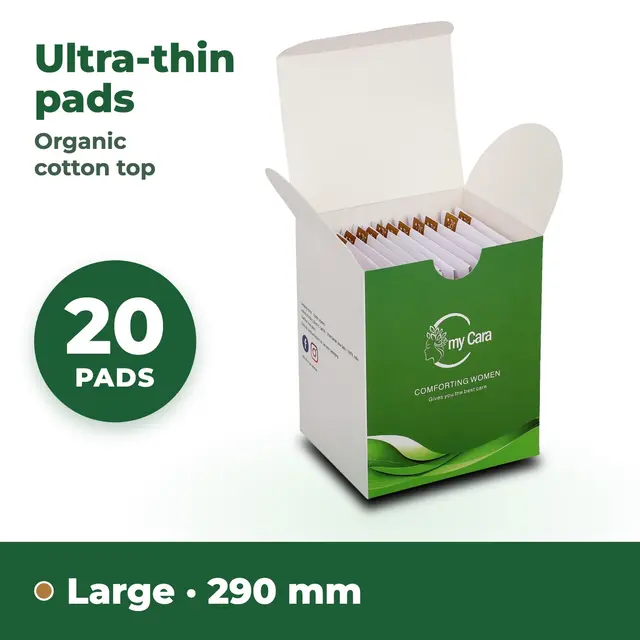
For your period
My Cara Ultra-thin Sanitary Pads with Organic Cotton Top Layer (20 Large)
20 Large pads
299 rupees
Keep reading
Iron deficiency due to heavy periods
Tired and dizzy with heavy periods? Learn the signs of iron deficiency anaemia, iron-rich foods to eat, and when to see a doctor for a check.
Bleeding in pregnancy: what's common and when to worry
Spotting or bleeding in pregnancy? Learn the common causes by trimester, how it differs from miscarriage, and when to see a doctor the same day.

After delivery, how many days of bleeding is normal?
Bleeding after delivery (lochia) usually lasts up to about 6 weeks. Learn normal colour changes, C-section bleeding, home care and warning signs to act on.
Endometriosis symptoms: signs, causes and getting a diagnosis
Endometriosis symptoms include severe period pain, painful sex and heavy periods. Learn the causes, how it differs from PCOS and when to see a gynaecologist.

Period pain relief: home remedies that help and when to worry
Why period cramps happen, simple home remedies and gentle exercises for relief, and the signs that period pain may need a gynaecologist's check.
Brown discharge: why it happens and when to worry
Brown discharge is usually old blood. Learn why it appears before or after a period, in early pregnancy or with no period, and when to see a doctor.
