Ovarian cyst symptoms: types, causes and when to worry
In short: An ovarian cyst is a fluid-filled sac on or in an ovary. Most are harmless, cause no symptoms and go away on their own within a few cycles. When symptoms do appear, they include a dull ache or heaviness on one side of the lower tummy, bloating, pain during sex or changes in your periods. See a gynaecologist if you have ongoing pelvic pain, and get emergency care for sudden severe pain.
Hearing the word "cyst" on an ultrasound report can be scary. Many women immediately worry about cancer or about never being able to have a baby.
Take a breath. Ovarian cysts are very common, especially in women who still have periods, and most are a normal part of how the ovaries work. Here is what you need to know.
What is an ovarian cyst?
Your two ovaries sit on either side of the womb. Each month, one of them grows a small sac called a follicle, which holds an egg. Usually the follicle releases the egg and then shrinks away.
Sometimes the sac does not release the egg, or it closes up and fills with fluid or a little blood. This is called a functional cyst. These are the most common kind, and they usually disappear on their own over a few weeks to a few months.
Other, less common types include:
- Dermoid cysts, which are usually harmless and can contain tissue like hair or fat
- Endometriomas or "chocolate cysts", linked to endometriosis
- Cystadenomas, which grow from the surface of the ovary and can become large
Most ovarian cysts are not cancer. The chance of a cyst being cancer is higher after menopause, which is why doctors look more carefully at cysts at that stage of life.
Ovarian cyst symptoms
Many women have a cyst and never know, because it is found by chance on a scan. When there are symptoms, they may include:
- A dull ache, pressure or heaviness on one side of the lower tummy
- Bloating or a feeling of fullness
- Pain during sex
- Pain in the lower back or thighs
- Changes in your periods, such as heavier, lighter or irregular bleeding
- Needing to pass urine more often, if the cyst presses on the bladder
- Pain when passing stools
These signs can also come from many other conditions, so they are a reason to get checked rather than a diagnosis on their own. If your main worry is a delayed period, our guide on a late or missed period when you are not pregnant covers the other common reasons.
What causes ovarian cysts?
- The normal monthly cycle, which causes functional cysts
- Endometriosis, which can cause chocolate cysts
- Pregnancy, as a small cyst often supports the pregnancy in the early weeks
- Pelvic infection that spreads to the ovaries and tubes, which is less common
There is nothing you did wrong to cause a cyst, and you cannot prevent most of them.
Are ovarian cysts and PCOS the same?
No, though the names sound similar. In PCOS, the ovaries have many small follicles that have not fully matured. On a scan these look like a ring of tiny "cysts", but they are not true cysts. PCOS is a hormone condition that often comes with irregular periods, acne and extra hair growth.
A single ovarian cyst is a different thing and does not mean you have PCOS. Our article on PCOD vs PCOS explains PCOS in more detail.
How a doctor checks a cyst
A gynaecologist will usually:
- Ask about your symptoms, periods and whether you could be pregnant
- Examine your tummy
- Arrange a pelvic ultrasound, which shows the cyst's size and what it looks like inside
- Sometimes ask for a blood test, especially after menopause or if the cyst looks unusual
Many women ask what a "normal" cyst size is. There is no single number that applies to everyone. Your doctor looks at the size together with what the cyst looks like, your age and your symptoms. Often they simply repeat the ultrasound after a few weeks to see if it has shrunk.
If a cyst is large, does not go away, causes pain or looks unusual, your doctor may suggest surgery to remove it. This is often done by keyhole surgery, and the ovary can usually be kept.
When to see a gynaecologist
Book a visit if:
- You have pelvic pain or heaviness that keeps coming back
- You have bloating that does not go away
- You have pain during sex
- Your periods have changed for no clear reason
- You have any new symptoms after menopause
Go to a doctor the same day, or to emergency care, if:
- You have sudden, severe pain on one side of your tummy
- The pain comes with vomiting, feeling faint or fainting
- You have pelvic pain with fever
- You feel dizzy, weak or have a fast heartbeat
- You have a positive pregnancy test with pain or bleeding
Sudden severe pain can mean a cyst has burst or twisted the ovary. This needs urgent care.
Questions women ask
Can an ovarian cyst affect pregnancy?
Most cysts do not stop you from getting pregnant. Functional cysts are a normal part of the cycle. Chocolate cysts from endometriosis, or PCOS, can make conceiving harder for some women. If you are trying for a baby, your gynaecologist can explain what your particular cyst means.
Can I have an ovarian cyst during pregnancy?
Yes. A small cyst is common in early pregnancy and usually settles by itself. Your doctor will often see it on a routine scan and keep an eye on it. Tell them straight away if you have sudden or severe tummy pain.
What happens with an ovarian cyst after menopause?
Cysts are less common after menopause because the ovaries stop releasing eggs. When one is found, your doctor will usually do an ultrasound and a blood test to check it more carefully, and may suggest regular scans or surgery depending on the results.
Do ovarian cysts go away on their own?
Many do. Functional cysts often disappear within a few cycles without any treatment. Your doctor may suggest a repeat ultrasound to confirm it has gone. Other types, such as dermoid cysts, usually do not go away by themselves.
Can an ovarian cyst be cancer?
Most ovarian cysts are not cancer, especially in women who still have periods. The risk is higher after menopause. A doctor uses the ultrasound appearance, your age and sometimes a blood test to decide whether a cyst needs closer checking.
General information, not medical advice. Talk to a doctor about your own health.
Talk to a doctor about your periodsFrom the Femease store
For your period
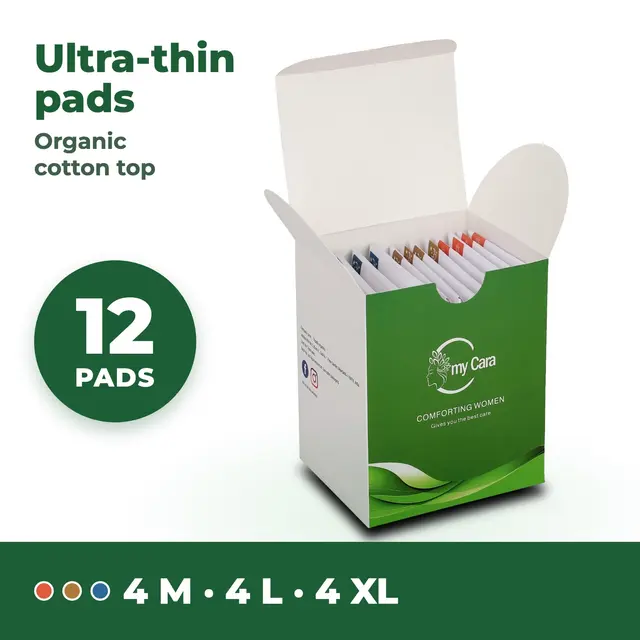
My Cara Ultra-thin Sanitary Pads with Organic Cotton Top Layer (4M+4L+4XL)
12 pads (4 M, 4 L, 4 XL)
199 rupees
For your period
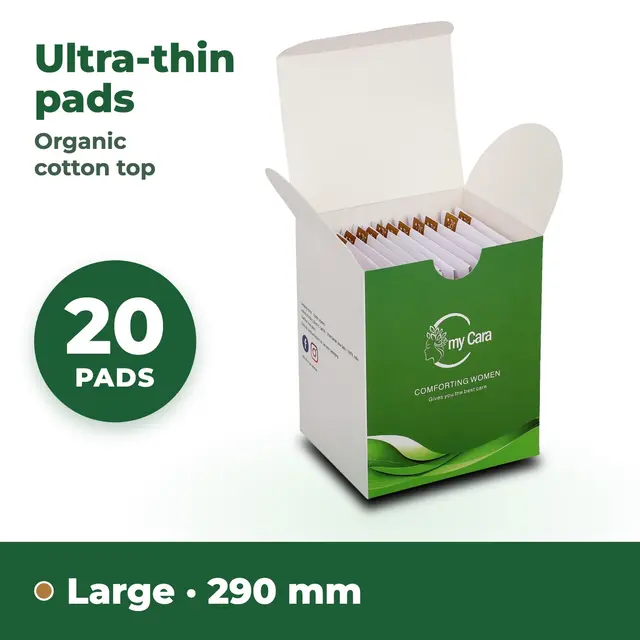
My Cara Ultra-thin Sanitary Pads with Organic Cotton Top Layer (20 Large)
20 Large pads
299 rupees
Keep reading
Early menopause & premature ovarian insufficiency (poi)
Menopause in your 20s or 30s? Learn what early menopause and premature ovarian insufficiency (POI) are, the symptoms, causes, diagnosis and support.
Lower abdominal pain in females: causes and when to worry
Common causes of lower tummy pain in women, from periods and UTIs to cysts, appendicitis and ectopic pregnancy, plus clear signs to get help fast.
Joint pain during your period: why it happens and when to worry
Exploring less-recognized symptoms like ligament laxity and hypermobility syndromes.
Endometriosis symptoms: signs, causes and getting a diagnosis
Endometriosis symptoms include severe period pain, painful sex and heavy periods. Learn the causes, how it differs from PCOS and when to see a gynaecologist.
Fibroids in uterus: symptoms, causes and treatment options
Fibroids are common, non-cancerous growths in the uterus. Learn the symptoms, causes, treatment options, fibroids in pregnancy and their meaning in Hindi.
Ovulation symptoms: signs, timing and your fertile days
Learn the common signs of ovulation, when it usually happens, how irregular periods change the timing, and when ovulation pain needs a doctor.
