UTIs after menopause: why they become more common
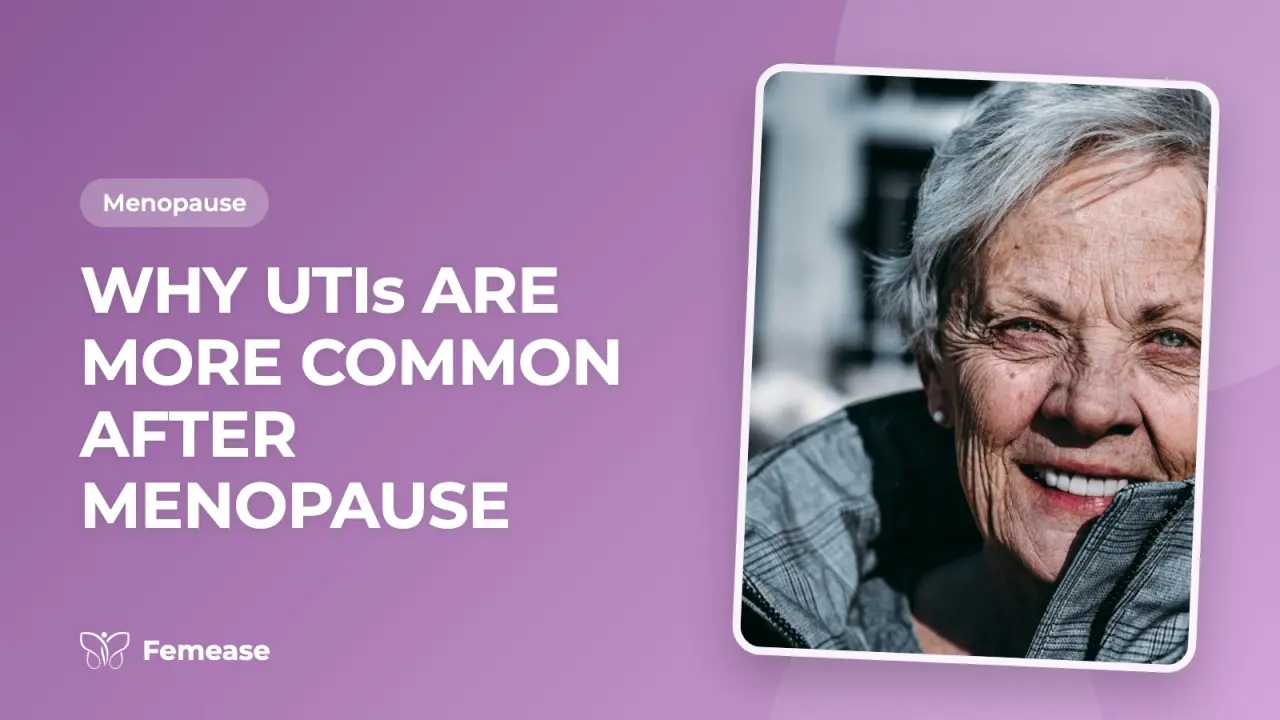
In short: After menopause, oestrogen falls, so there are fewer friendly bacteria in the vagina, the pH becomes less acidic and the tissues around the urethra get thinner. This makes it easier for germs like E. coli to cause urine infections again and again. Drinking water, passing urine after sex and avoiding harsh soaps can help. See a doctor to confirm a UTI, and go the same day for fever, back or side pain or blood in urine. Go to hospital straight away for fever with new confusion.
Why UTIs are more common after menopause, and what vaginal pH has to do with it
Aging gracefully comes with many changes—some empowering, others a bit inconvenient. If you’re post-menopausal and noticing more frequent urinary tract infections (UTIs), you’re not imagining things. There’s a biological reason behind it, and understanding it can be the first step to relief.
Let’s unpack what’s going on.
The estrogen–UTI connection
Estrogen isn’t just about reproduction. This hormone also plays a quiet, protective role in your urinary and vaginal health. Before menopause, estrogen helps maintain a healthy balance of vaginal bacteria, especially a group called Lactobacilli. These friendly bacteria keep the vaginal pH slightly acidic (around 3.8 to 4.5), which discourages harmful microbes, like E. coli, from taking over.
But after menopause, estrogen levels drop. That means:
- Fewer Lactobacilli
- Higher (more alkaline) vaginal pH
- Thinner vaginal and urethral tissues
- Less moisture and elasticity
All of this creates an environment where bad bacteria can thrive, making UTIs more frequent and harder to bounce back from.
What does vaginal pH have to do with UTIs?
Vaginal pH is like your body’s internal security system. When it stays acidic, it keeps harmful bacteria at bay. But post-menopause, that pH starts creeping up, sometimes to 5.5 or higher. And guess who loves a less acidic environment? Yep - Uropathogens like E. coli, which cause most UTIs.
Signs you might be dealing with a UTI (again)
If any of these sound familiar, it might be more than just “getting older”:
- A strong, persistent urge to urinate
- Burning during urination
- Passing small amounts of urine frequently
- Cloudy, dark, or strong-smelling urine
- Pelvic pain or pressure
UTIs can also feel a bit different post-menopause, sometimes showing up as fatigue, confusion, or weakness instead of the classic symptoms.
What you can do
The good news? You’re not helpless against these changes. Some of these have stronger evidence than others, and your doctor can tell you what suits you. Here is what may help you get fewer UTIs:
1. Ask your doctor about treatment
A doctor can check your urine, confirm whether it is a UTI and explain the treatment options that suit you. If UTIs keep coming back, ask about ways to prevent them, too.
2. Hydration and hygiene
Classic advice for a reason: Drink water, urinate after intercourse, and avoid harsh soaps or douches. These steps still go a long way.
3. Work with a specialist
A gynecologist or urogynecologist can guide you through tailored solutions, whether that’s treatment, tests for recurrent UTIs, or personalized care.
When to see a doctor the same day
Sometimes a UTI travels up to the kidneys, and that needs treatment quickly. Please don't wait it out if you have:
- A fever, or shivering and chills
- Pain in your back or side, just under your ribs
- Blood in your urine
- Feeling sick or vomiting
- New confusion, unusual sleepiness or weakness, especially in an older woman
If you have new confusion or unusual sleepiness, or feel very unwell, go to hospital straight away or call 112.
Real talk: You are not alone
This isn’t just “your body acting up.” UTIs that keep coming back are common after menopause. And yet, it’s often not talked about enough.
Bringing vaginal health into the conversation, without shame or silence, is long overdue. You deserve comfort, clarity, and control over your body at every stage of life.
Questions women ask
Why do UTIs keep coming back after menopause?
Lower oestrogen means fewer protective Lactobacilli bacteria and a less acidic vagina. The vaginal and urethral tissues also become thinner and drier. Together these let harmful bacteria grow more easily, so infections happen more often.
What are UTI symptoms in older women?
Common signs are a strong urge to pass urine, burning, passing small amounts often, cloudy or strong-smelling urine and pelvic pressure. After menopause, a UTI may instead show up as tiredness, weakness or confusion, so do not dismiss these.
How can I prevent UTIs after menopause?
Drink enough water, pass urine after sex, and avoid harsh soaps and douches. Ask a gynaecologist or urogynecologist about ways to prevent repeat infections that suit you, and check with a doctor before using any vaginal product or supplement.
When does a UTI need a doctor the same day?
Go the same day if you have fever, shivering or chills, pain in your back or side under the ribs, blood in your urine, or nausea or vomiting. These can mean the infection has reached the kidneys. If you have new confusion or unusual sleepiness, or feel very unwell, go to hospital straight away or call 112.
General information, not medical advice. Talk to a doctor about your own health.
Talk to a gynaecologist about menopauseKeep reading in the Femease app
Save articles, track your cycle or pregnancy, and talk to a doctor when you need one.
Keep reading

UTI in women: symptoms, causes and how to prevent it
Burning urine, urgency and lower tummy pain are common UTI signs in women. Learn why UTIs happen, home care, prevention and red flags for kidney infection.
What happens after menopause?
Post-menopause symptoms, long-term health risks, and how to care for your changing body.
Heart health risks post menopause
Heart disease after menopause? Learn why heart risk rises after menopause, symptoms women should not ignore, and everyday steps to protect your heart.

Allergies and menopause: why they can get worse
New allergies in your 40s or 50s? Learn how menopause can change your immune response, common symptoms, what you can do, and when to get medical help.
Early menopause & premature ovarian insufficiency (poi)
Menopause in your 20s or 30s? Learn what early menopause and premature ovarian insufficiency (POI) are, the symptoms, causes, diagnosis and support.
Menopause and digestive system slowdown
Why your digestion might feel sluggish during menopause and what you can do about it
