The hidden benefits of unrefined salt (when used in moderation)
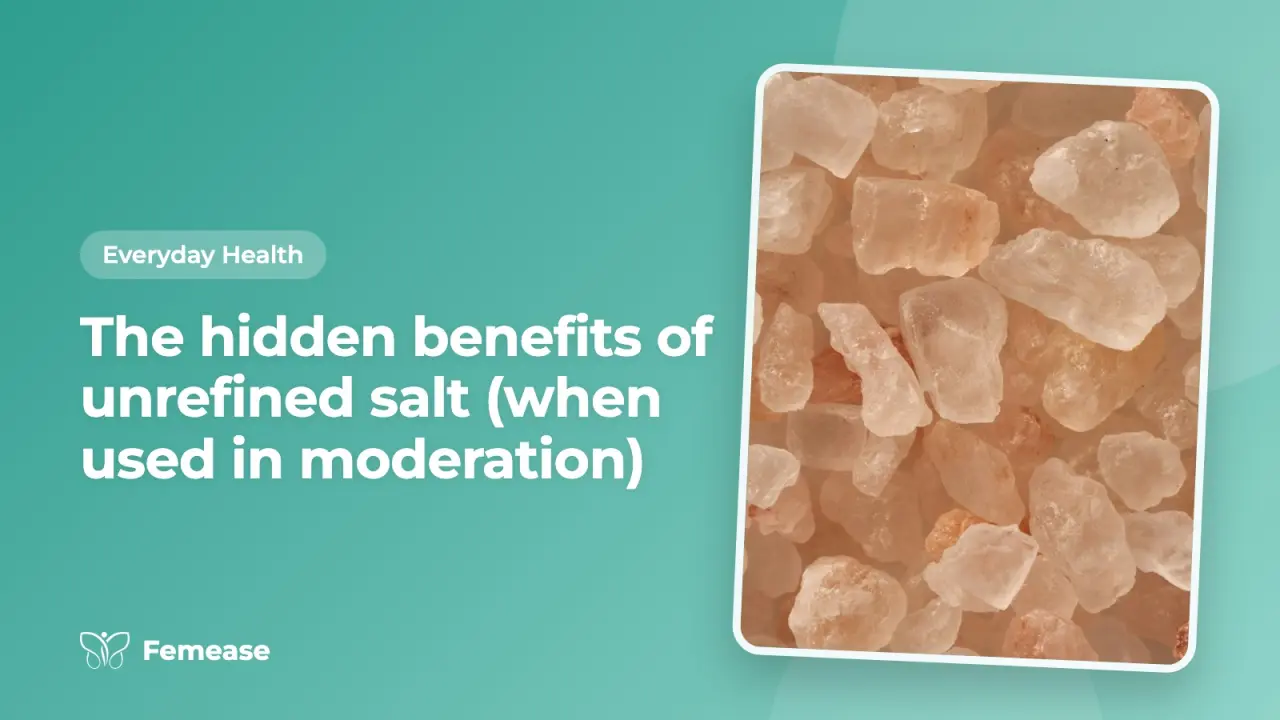
In short: Rock salt (sendha namak), pink salt and sea salt are less processed than white table salt and carry small amounts of other minerals, but they are still mostly sodium. For your health, how much salt you eat matters far more than which kind. Most rock and pink salts have no added iodine, which your thyroid needs, so do not switch completely away from iodised salt. If you have high blood pressure or kidney problems, ask your doctor how much salt is safe for you.
We have been told salt is bad. But is that the whole story?
Salt has long been a scapegoat in the world of health. Doctors warn us to cut it down, labels scream “low-sodium,” and we feel a pinch of guilt sprinkling it over our food. But here is the catch: not all salt is created equal.
A quiet revolution is happening in kitchens and wellness circles, people are turning back to unrefined, mineral-rich salt as a healthier alternative. The truth? When consumed in moderation, unrefined salt can support our health rather than harm it.
Refined salt vs. unrefined salt: What is the real difference?
Refined table salt, the white crystals found in most restaurants and processed foods, is heavily processed. It is stripped of almost all its natural minerals and may contain anti-caking agents. In India, it is also usually iodised, which protects your thyroid.
Unrefined salt, on the other hand, like Himalayan pink salt, Celtic Sea salt, or rock salt, is minimally processed. It retains trace minerals such as magnesium, potassium, calcium, and iron, elements your body needs to function optimally.
The hidden benefits of unrefined salt
Here is what unrefined salt can offer that your typical white salt cannot:
1. Natural mineral content
Your body requires more than just sodium to regulate hydration, nerve signals, and muscle function. Unrefined salt carries only tiny amounts of minerals, so your food remains the main source of the minerals that support:
- Electrolyte balance
- Bone health
- Hormonal function
2. Improved hydration
Ever feel dehydrated despite drinking lots of water? A pinch of salt in water can help your body absorb and retain fluids better, especially in hot climates or after intense workouts.
3. Better digestion
Like any salt, unrefined salt gives your stomach the chloride it uses to make digestive acid, so a normal amount in food is fine.
But wait, moderation is still key
Even with all its benefits, salt is not a free-for-all. Too much salt of any kind can lead to high blood pressure and kidney issues. That is why it is essential to:
- Limit processed and packaged foods
- Cook with quality ingredients
- Use unrefined salt mindfully, not excessively
Switching to unrefined salt is not a fad. It is a return to how our ancestors consumed salt, minimally processed. Just remember that most rock and pink salts have no added iodine, which your thyroid needs, especially in pregnancy, so keep iodised salt for daily cooking.
Next time you are seasoning your food, pause. Ask yourself, what kind of salt am I adding to my body?
Choose wisely. Your body will thank you.
Questions women ask
Rock salt vs white salt: which is better?
Both are mostly sodium. Rock salt has small amounts of other minerals, while white table salt in India is usually iodised, which protects your thyroid. Many families use iodised salt for daily cooking and rock salt now and then.
Is rock salt good for health or not?
In small amounts it is fine, and it is traditional for fasting days. It is not a health food, though. Too much salt of any kind raises blood pressure, and rock salt usually lacks iodine.
What are the side effects of sendha namak?
Using only sendha namak for a long time can mean too little iodine, which can affect the thyroid. Eating too much of it, like any salt, can raise blood pressure and strain the kidneys.
How can I cut down on salt?
Eat fewer packaged snacks, pickles, papads and ready-made foods, taste before adding salt, and flavour food with lemon, herbs and spices. See a doctor if you have high blood pressure, swelling in your feet or kidney problems.
General information, not medical advice. Talk to a doctor about your own health.
Talk to a doctorKeep reading in the Femease app
Save articles, track your cycle or pregnancy, and talk to a doctor when you need one.
Keep reading
Everyday beauty rituals with epsom, himalayan & sea salts
Discover how these natural salts can elevate your daily skincare, haircare, and self-care routines, no tub necessary.

The hidden impact of shallow breathing on your health
Many people breathe into the chest, not the diaphragm, leading to low oxygenation and chronic tension.
Cooking oils breakdown: The good, the bad, and the oxidized
A clear guide to choosing the right cooking oils for health, flavor, and safe cooking temperatures

Are you using your face mist the right way?
Discover the dos, don’ts, and real benefits of using face mists the smart way.
How your skin barrier affects your whole health
Your skin isn’t just about looking good, it’s your body’s first line of defense. Here’s how taking care of it strengthens your overall health.
Why you need the calcium-vitamin d-magnesium trio in your 20s and 30s
Learn why calcium, vitamin D, and magnesium are essential in your 20s and 30s for long-term bone strength and overall health.
