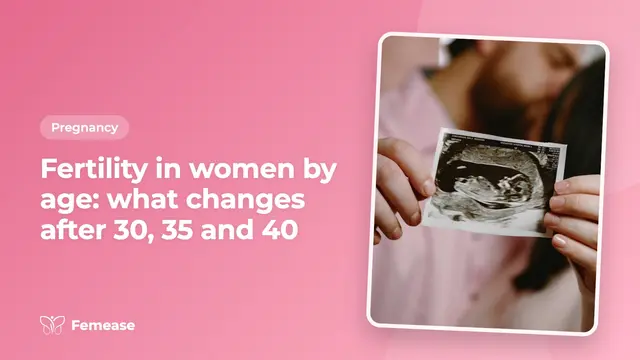
Fertility in women by age: what changes after 30, 35 and 40
How a woman's fertility changes with age, what happens after 30, 35 and 40, what an AMH test can and cannot tell you, and when to see a gynaecologist.
Educational checklist
A few steps before pregnancy help you and your baby. See what's done and what's left.
Free in the Femease app
Reviewed by Dr. Ritu Maheshwari, MBBS, MS (OBG), 20 Oct 2026
No score. A list of what's done and what's still to do. Women 18 and over who are not pregnant and are planning to be.
A screening check, never a diagnosis.
Educational checklist
Written by Femease from WHO advice for before pregnancy and Asian Indian weight cut-offs.
Written by Femease from medical guidelines. Not a scored, tested questionnaire.
This is a to-do list, not a test. It covers the usual checks before pregnancy: blood count, thyroid, sugar, blood group, infection tests, blood pressure, rubella protection and weight. If you have a long-term condition or take medicine regularly, a doctor should plan your pregnancy with you before you try.
Reviewed by Dr. Ritu Maheshwari, MBBS, MS (OBG), 20 Oct 2026. The doctor checked the questions, scoring and results in the app. A review does not make a check a validated tool.
Scan with your phone's camera to get the app.
Your answers stay private to your account.
How a woman's fertility changes with age, what happens after 30, 35 and 40, what an AMH test can and cannot tell you, and when to see a gynaecologist.
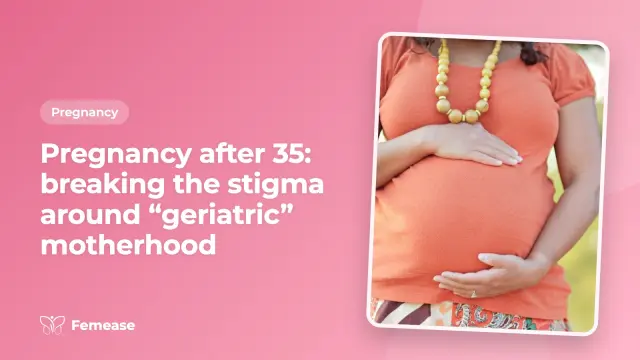
Pregnancy after 35 is common and most women have healthy babies. Know what being called high-risk means, how fertility changes and what care to expect.
Femease
Your answers and results stay private to your account.