Grief for the life you did not live: what it means
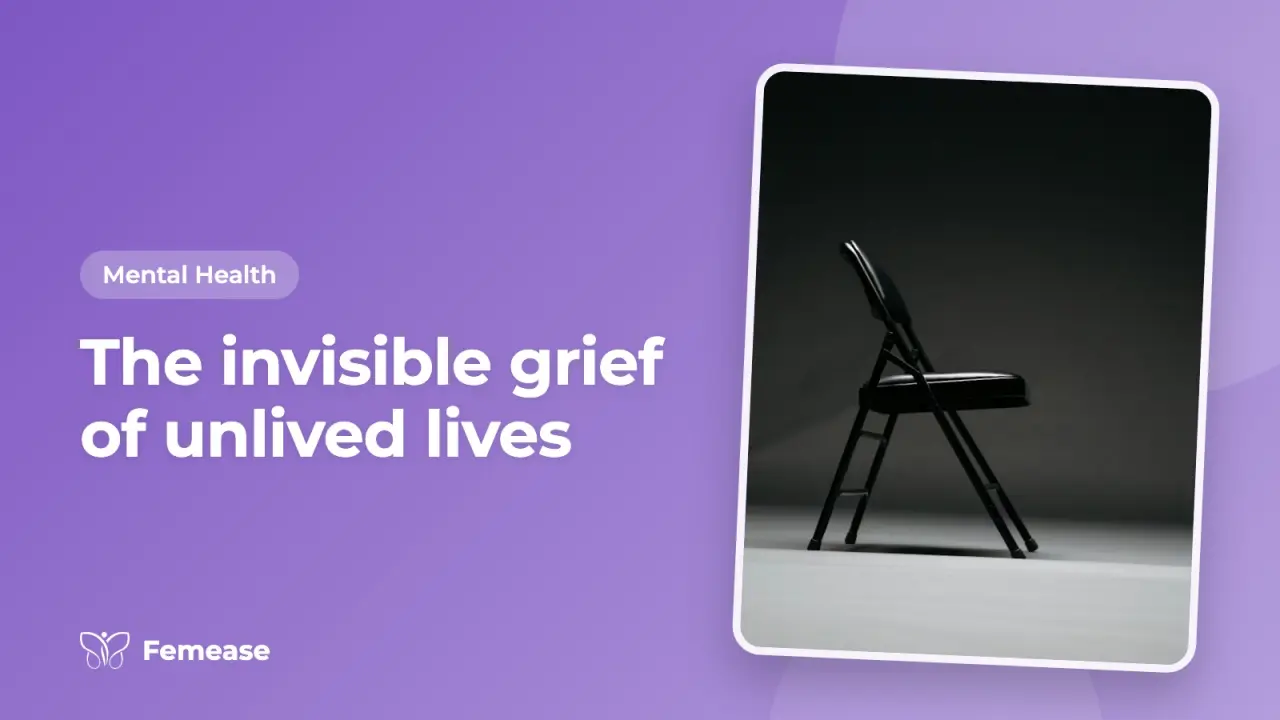
In short: Grieving the unlived life means feeling a quiet sadness for paths you did not take: a career, a place, a partner, children or freedom. It can show up even when your life is good, and it does not mean you are ungrateful. You can be happy and still miss what might have been. Naming the feeling, journaling and reconnecting with old dreams in small ways can help. If the sadness stays heavy, talking to a therapist can help.
Have you ever paused during a quiet moment and wondered, “What if I had chosen differently?” What if you had pursued that career abroad, married someone else, or had no one at all? What if you had had children… or had not? These questions do not always lead to regret, but they can open a space within us that feels strangely hollow. A quiet ache. A sense of grief, for lives we never lived.
This is the invisible grief of unlived lives. And you are not alone in feeling it.
What is the grief of unlived lives?
Unlike traditional grief that follows the death of someone or something tangible, the grief of unlived lives is subtle, often unnamed. It surfaces in midlife, after a major life change, or even during a quiet weekend when your social media feed is filled with people who seem to be living the life you once imagined.
It is not about wishing away your current reality, it is about mourning the possibilities that slipped by.
- The career you left behind to raise a family.
- The decision to stay in your hometown instead of moving across the world.
- The dream you shelved because it did not seem realistic at the time.
- The child you never had, or the freedom you lost by becoming a parent.
Why does it hurt even when life is “good”
People often suppress this grief because it feels ungrateful. If you have a stable job, a loving family, or a fulfilling life, you might feel guilty for missing something that never happened. But here is the truth:
Grief does not mean dissatisfaction. It means you are human
We are made up of many selves: the self we are, the self we were, and the selves we could have been. As we age, certain doors close. With each “yes,” we inevitably say “no” to other things. That accumulation of closed doors can leave us feeling quietly bereaved.
How to make peace with the life you did not live
1. Name your grief
Put words to your emotions. Journaling or speaking to a therapist can help you acknowledge the loss, even if it is intangible.
2. Practice “both-and” thinking
You can be happy and miss what could have been. You can love your children and still long for the freedom you gave up. Holding both truths helps you process them better.
3. Reconnect with forgotten parts of yourself
That dream is not always dead, it may just look different now. Love photography? Pick up a camera again. Thought you would travel? Start with short solo trips. Small actions can revive unlived passions.
4. Stop comparing milestones
Social media glorifies certain life paths. Remember, everyone sacrifices something. What you see is curated, not complete.
5. Create new paths, not just new goals
Let go of rigid expectations. Life is not linear. It is okay to restart or pivot, even if it is just emotionally. The unlived life does not have to stay unlived forever, it can evolve.
Turning loss into meaning
The lives you did not live helped shape the one you did. They teach you about your values, your resilience, and your capacity for dreaming. Rather than burying them, bring them to light. Mourn them. Celebrate them. Learn from them.
You do not have to carry invisible grief alone. By speaking it, you free yourself from its weight and open space for peace, creativity, and perhaps even reinvention.
Questions women ask
What does grieving the life you thought you'd have mean?
It is mourning possibilities that slipped by, like a career you left, a move you did not make, or a child you did or did not have. It is a real loss, even though nothing visible was lost.
Is it normal to grieve a life I never had even if I'm happy?
Yes. Every choice closes some doors, and missing them is human. Grief does not mean you are unhappy with your life. You can love your life and still feel the ache of what could have been.
How do I stop regretting my life choices?
Name the feeling, write about it or talk to a therapist, and stop comparing your life to curated social media. Look for small ways to bring old dreams back, such as picking up a hobby or a short trip.
When should I talk to someone about this sadness?
If the sadness is constant, affects sleep or work, or you feel hopeless, talk to a therapist or doctor. If you have thoughts of harming yourself, get help straight away: go to the nearest hospital emergency or call Tele-MANAS, India's free mental health helpline, on 14416.
General information, not medical advice. Talk to a doctor about your own health.
Keep reading

Grief vs depression: how to tell the difference
Grief comes in waves, while depression weighs on most of the day for at least 2 weeks. Learn how to tell them apart and when to ask for help.

Work-life balance: simple tips and when to get help
Work-life balance means enough time and energy for work, family and yourself. See tips on boundaries, rest, stress and screens, and when to talk to someone.
Misophonia: why chewing sounds make you angry
Misophonia is real, not over-sensitivity. Sounds like chewing can trigger anger or anxiety. Learn how it affects life and what helps you cope day to day.

Identity crisis after big life changes: mental health tips
A new job, motherhood or divorce can leave you feeling lost, which is normal. See why these shifts hit hard, how to support your mind, and when to get help.
Envy, guilt and shame: how to handle them kindly
Envy, guilt and shame are normal feelings, not signs you are a bad person. Learn what each one means and how to move through them without self-judgment.

Negative self-talk and mental health: how to be kinder
Harsh self-talk can feed stress and low self-esteem. Learn to notice your inner critic, question it and speak to yourself like a friend.
