Antibiotic residues in food and your gut health
In short: Small residues of the treatments given to farm animals can end up in meat, milk and eggs, and over time they may upset the balance of good bacteria in your gut. One meal will not harm you, but a steady habit can add up with stress, poor sleep and processed food. Choosing trusted local sources and eating plenty of fibre and fermented foods like curd helps your gut stay healthy. See a doctor if bloating or bowel changes do not settle.
Have you ever eaten a piece of chicken or beef and wondered what it took to get it on your plate? Maybe not. But here is the reality: some of the meat and dairy we consume can carry traces of the treatments given to farm animals. These traces enter your body, and over time, they may be messing with something crucial: your gut microbiome.
Wait, there are residues in my food?
Yes, it can happen.
In conventional animal farming, these treatments are often used to:
- Prevent disease in crowded conditions,
- Promote faster growth in animals,
- Treat existing infections in livestock.
Even if the animals are not sick, they’re sometimes given small amounts to bulk up quickly. This routine use can lead to residues making their way into the food we eat, from meat and milk to even farmed fish and eggs.
How do these residues impact my gut flora?
Your gut flora,also called gut microbiota, is a delicate ecosystem made up of trillions of bacteria. These microbes help you digest food, produce essential vitamins, support your immune system, and even influence your mood.
But here is where it gets tricky: when you regularly eat food with these residues, even in small amounts, it may:
Kill off good bacteria
These treatments don't discriminate; they can kill both harmful and beneficial bacteria. Over time, this imbalance (called dysbiosis) can lead to:
- Bloating
- Fatigue
- Irregular bowel movements
- Food intolerances
- Lowered immunity
Promote resistance
Constant exposure to small amounts of these treatments can cause the remaining gut bacteria to evolve and become resistant. That can make infections harder to treat when you do get sick.
Increase Inflammation
A disrupted gut microbiome can trigger chronic inflammation in your body, which has been linked to conditions like obesity, type 2 diabetes, autoimmune disorders, and even anxiety and depression.
Can this happen if I eat healthy?
Even health-conscious eaters can be unknowingly exposed. Eating grilled chicken in a salad or enjoying a protein smoothie with conventional dairy could still introduce small residues. While one meal won’t throw your system off balance, repeated exposure over timedoes add up.
How to protect your gut (without going full farm-to-table)
You don’t have to overhaul your entire diet overnight. Here’s how to reduce exposure and strengthen your gut:
Opt for organic or trusted labels
Look for certifications like:
- “Certified Organic”
They signal that the animals were not raised with routine use of these treatments.
Support local and sustainable farms
Farmers who prioritize animal welfare often rely less on these treatments. Buying from farmers' markets or checking local sources can give you more control over what you are eating.
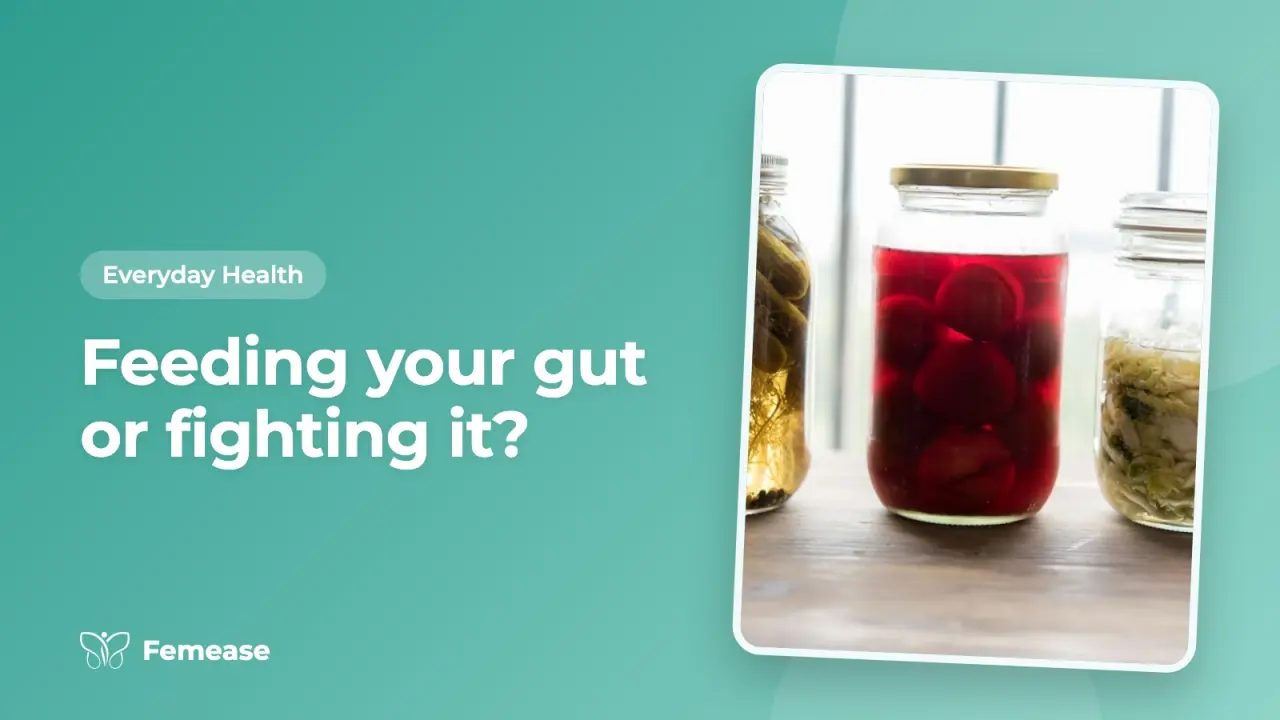
Eat more fiber-rich and fermented foods
Foods like:
- Yogurt (with live cultures)
- Kefir
- Sauerkraut
- Kimchi
- Whole grains, legumes, fruits, and veggies
...help feed and repopulate your beneficial gut bacteria.
These residues in food are not going to wreck your gut overnight. But over months or years, they can take a toll, especially when combined with stress, poor sleep, and processed diets. Your gut deserves better.
Understanding the connection between food and gut health puts you in the driver’s seat. Make mindful choices whenever possible, and provide your gut flora with the nourishment it needs to thrive.
Questions women ask
How can I improve my gut health naturally?
Eat plenty of fibre from whole grains, dals, vegetables and fruit, and include fermented foods like homemade curd, buttermilk and idli or dosa batter. Sleep well, manage stress, drink enough water and cut down on processed food.
Which Indian foods are good for gut health?
Curd, buttermilk, fermented batters, kanji, dals, whole grains like millets and brown rice, bananas, onions, garlic and leafy vegetables all feed the good bacteria in your gut. Variety matters more than any single food.
What are the signs of an unhealthy gut?
Frequent bloating, gas, irregular bowel movements and tummy discomfort are common gut complaints. They have many possible causes, so see a doctor if they last more than a few weeks.
When should I see a doctor for gut problems?
See a doctor if bloating or tummy pain keeps coming back, if your bowel habits change for more than a few weeks, or if you lose weight without trying. Go the same day for blood in your stool, black stools, or severe pain with fever or vomiting.
General information, not medical advice. Talk to a doctor about your own health.
Keep reading
Gut health and periods: can your gut affect your cycle?
Yes, gut health can affect your periods, since gut bacteria help clear used oestrogen. Learn the gut-hormone link, the role of stress and what helps.
Gut-brain connection: can food affect your mood?
Your gut and brain talk through nerves and gut bacteria. Learn how food, sleep and stress affect digestion and mood, and when to see a doctor if it lasts.

Hangxiety: why alcohol affects mood and gut next day
Hangxiety is the anxious, low feeling many get the day after drinking. Learn how alcohol affects mood, sleep, gut and inflammation, and what to do next day.
How the menstrual cycle affects mood, sleep and gut
Yes, your cycle changes more than bleeding. See how hormones shift mood, sleep, digestion and skin each month, and when to see a gynaecologist.
Personalised nutrition: why one diet doesn't suit all
Your genes, gut, hormones and health shape how you react to food. Learn why one diet does not suit everyone and how to start noticing what works for you.
Metabolic flexibility: what it is and how to build it
Metabolic flexibility is your body's ability to switch between burning carbs and fat. See the signs, why it matters and six simple habits to build it.
