Irregular periods in young women: causes and when to worry
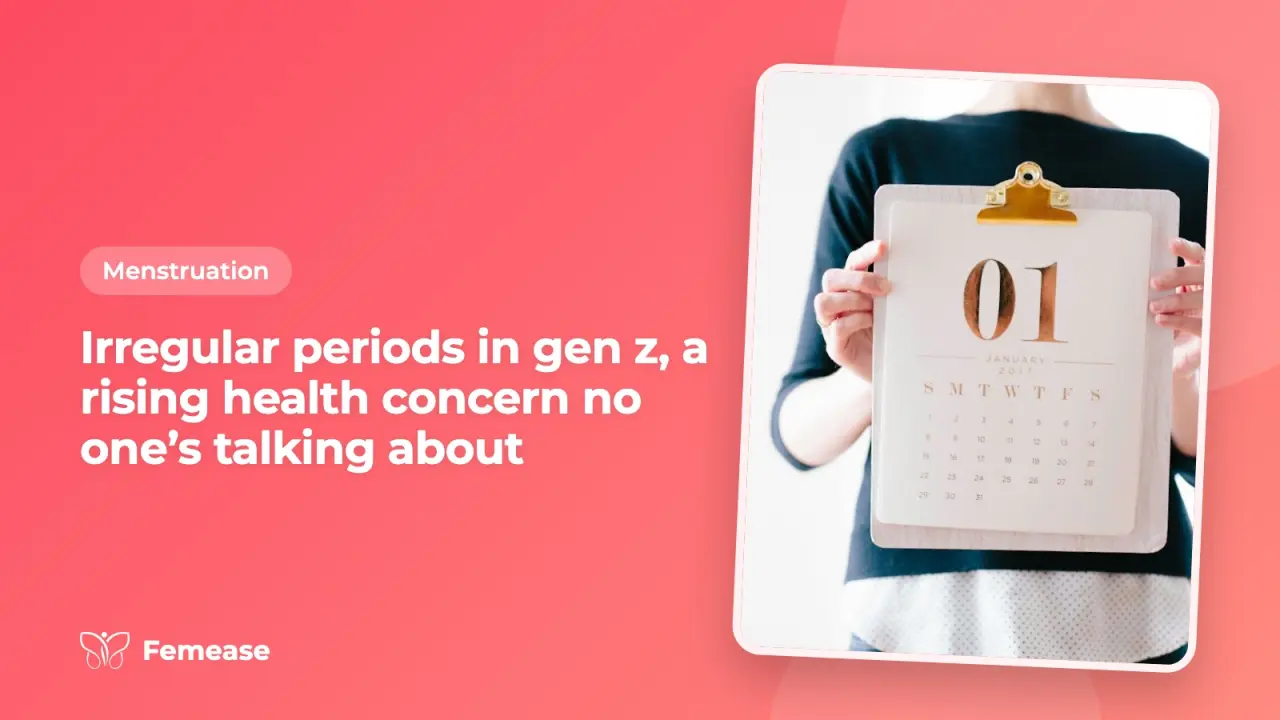
In short: Periods are called irregular when your cycle is often shorter than 21 days or longer than 35 days, or your periods are very light, very heavy or missing. One late period now and then is usually nothing to worry about. Stress, poor sleep, crash diets, sudden weight change, PCOS and thyroid problems are common causes in young women. See a gynaecologist if your periods stay irregular for a few months or come with acne, extra hair growth or heavy bleeding.
Gen Z, known for being health-conscious, open-minded, and digitally savvy, is also facing a quiet but growing health concern: irregular menstrual cycles. While it is easy to dismiss the occasional late period as "just stress," the reality for many young people is far more complex.
In this blog, we explore why irregular periods are increasingly common in Gen Z, the real-life causes behind them, and how to act with empathy, knowledge, and support.
What does an irregular cycle mean?
A typical menstrual cycle lasts between 21 to 35 days. If your periods are frequently early, late, very light, very heavy, or missing altogether, you might be dealing with irregular cycles. While one off-cycle is not usually a cause for alarm, persistent irregularities can signal underlying health concerns.
Why are Gen Z women experiencing irregular cycles more often?
Here is the truth: Gen Z is not broken, but the world they are growing up in is radically different, and that is showing up in their health.
1. Chronic stress and burnout
From academic pressure and job insecurity to the constant noise of social media, Gen Z is juggling more than ever. Chronic stress directly impacts the hypothalamus, a part of the brain that regulates hormones, leading to missed or delayed periods.
2. PCOS and hormonal imbalances
Polycystic Ovary Syndrome (PCOS) is one of the most common causes of irregular cycles today. Many Gen Z women are getting diagnosed earlier, not because it is new, but because they are finally talking about it.
3. Body image, diet culture & disordered eating
From clean eating to intermittent fasting, not all health trends are body-friendly. Extreme dieting, calorie restriction, or sudden weight gain/loss can throw your hormones out of balance, causing irregular periods.
4. Digital fatigue & sleep disruption
Constant screen time affects melatonin levels, impacting sleep and, in turn, menstrual cycles. Sleep is not just rest; it is hormonal maintenance.
5. Environmental toxins & endocrine disruptors
From plastics to processed food, everyday exposure to endocrine disruptors can interfere with your natural hormone function. Gen Z is more exposed and more aware than ever before.
Is it normal, or should I be worried?
An occasional missed period is not usually a cause for concern. But if you are experiencing any of the following, it is time to talk to a doctor:
- Going months without a period (and you are not pregnant)
- Excessive hair growth or acne
- Sudden weight changes
- Severe cramps or heavy bleeding
- Mood swings or fatigue
What can you do about irregular periods?
Track your cycle
Apps help you notice patterns. Early insights can prevent bigger health surprises later.
Eat for hormonal balance
Think whole grains, healthy fats, and iron-rich greens. Avoid extreme diets, your body needs nourishment, not punishment.
Prioritize mental health
Therapy, journaling, mindfulness, or even a daily walk can lower cortisol and support hormonal health.
Limit endocrine disruptors
Use BPA-free bottles, avoid heating food in plastic, and choose clean beauty products.
Talk to a Professional
If your cycles are affecting your mental or physical well-being, see a gynecologist or endocrinologist. Early diagnosis of PCOS, thyroid disorders, or other issues can make a world of difference.
Gen Z is changing the narrative
The best part? Gen Z is breaking the silence. They are open about health, fierce about self-care, and bold about demanding better care from the healthcare system.
You are not overreacting. You are not alone. You are not "too sensitive." You're informed, aware, and in charge of your body.
Irregular periods are your body’s way of asking you to slow down, listen, and realign. They are not something to fear, they are something to understand.
Questions women ask
Can stress cause irregular periods?
Yes. Long-term stress affects the part of the brain that controls your hormones, which can delay or skip a period. Rest, good sleep, a daily walk and talking to someone you trust can help. If periods stay irregular for months, see a gynaecologist.
Is it normal for periods to be irregular in your teens and early twenties?
Cycles can be a little uneven in the first few years after periods start. But if your periods are regularly shorter than 21 days, longer than 35 days, or missing for months, it is worth getting checked for causes like PCOS or a thyroid problem.
How can I make my periods regular naturally?
Eat regular, balanced meals with whole grains, healthy fats and iron-rich greens, avoid extreme diets, sleep well and manage stress. Tracking your cycle in an app helps you spot patterns. These habits support your hormones, but a doctor should check the cause if irregular periods continue.
When should I see a doctor for irregular periods?
See a gynaecologist if you go months without a period and are not pregnant, or if irregular periods come with acne, extra hair growth, sudden weight change, severe cramps or heavy bleeding. Early diagnosis of PCOS or thyroid problems makes them much easier to manage.
General information, not medical advice. Talk to a doctor about your own health.
From the Femease store

For your period
My Cara Ultra-thin Sanitary Pads with Organic Cotton Top Layer (4M+4L+4XL)
12 pads (4 M, 4 L, 4 XL)
199 rupees 22% off

For your period
My Cara Ultra-thin Sanitary Pads with Organic Cotton Top Layer (20 Large)
20 Large pads
299 rupees 45% off
Keep reading
Hair fall in young women: causes and when to see a doctor
Usually there is a cause that can be found: stress, PCOS, thyroid problems, low iron, crash diets or a recent birth. What you can do and when to see a doctor.
PCOS periods: what is normal and when to see a doctor
With PCOS, periods are often irregular, missed, light or heavy. See what your normal may look like, how to track your cycle and when to see a gynaecologist.

Blood tests for irregular periods: which hormones
Hormone blood tests help a doctor see why your periods are irregular. Learn which tests like FSH, LH and thyroid are done, and how to prepare for them.
What is PCOS? Symptoms, types and tests explained
PCOS is a common hormone condition with irregular periods, acne and extra hair. See the types, the tests doctors use and when to see a gynaecologist.
Period smell and body odour: why it changes on your period
Yes, many women smell different on their period. Hormones change your sweat, and period blood can smell metallic. When a fishy or foul smell needs a doctor.
Immune system before your period: is it weaker?
Many women feel more run-down before a period, and it is a normal hormone rhythm. See how immunity shifts across the four phases and when to see a doctor.
