Anxiety during IVF and IUI: ways to cope emotionally
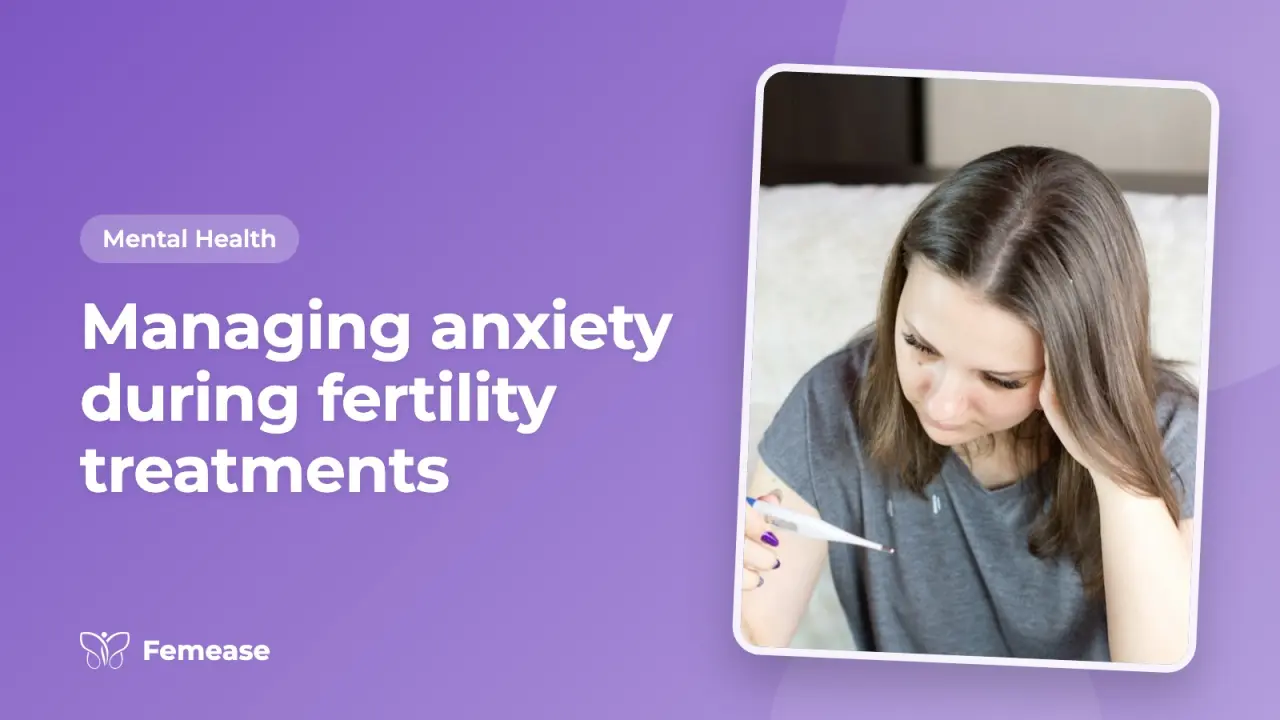
In short: Feeling anxious, hopeful, frustrated and alone in turns during IVF, IUI or other fertility treatment is very common. Learning about your treatment, breathing and mindfulness practice, gentle regular movement and a supportive circle can ease the load. A fertility support group can also help you feel less alone. If anxiety or low mood is constant, or you feel hopeless, talk to your fertility doctor or a therapist.
Navigating the journey of fertility treatments can be both an exciting and daunting experience for many women. While the hope of starting or expanding a family is often at the forefront, the emotional toll can be significant. Anxiety can creep in, leading to feelings of uncertainty and stress that can be overwhelming. Understanding how to manage these emotions is crucial for maintaining both mental and physical well-being during this sensitive time.
The Emotional Rollercoaster of Fertility Treatments
Fertility treatments—whether it’s IVF, IUI, or other interventions—can bring about a whirlwind of emotions. It’s normal to experience:
Hope: The anticipation of a positive outcome can be exhilarating, igniting dreams of parenthood.
Fear: Concerns about the process, potential outcomes, and personal health can lead to anxiety.
Frustration: The unpredictability of treatments and the time it can take to see results may trigger feelings of hopelessness.
Isolation: Many women feel alone in their struggles, as the challenges of fertility can be hard to communicate with friends or family.
Acknowledging these emotions is the first step in managing them. It’s essential to recognize that you’re not alone and that seeking support is a sign of strength.
Practical Strategies to Manage Anxiety
Educate Yourself
Knowledge is power. Understanding the specifics of your treatment can alleviate some anxiety. Ask your healthcare provider questions, read reputable resources, and join support groups to gain insights from others who have been through similar experiences.
Mindfulness and Meditation
Incorporating mindfulness practices can help center your thoughts and reduce anxiety. Techniques such as deep breathing, guided meditation, or even simple awareness exercises can ground you in the present moment. Consider dedicating a few minutes each day to these practices.
Build a Support System
Surround yourself with supportive friends and family who can listen without judgment. Sharing your feelings can lighten the emotional load. You might also consider joining a fertility support group where you can connect with others who understand your journey.
Create a Relaxation Routine
Finding ways to unwind is essential. Engage in activities that bring you joy and relaxation, whether it’s yoga, reading, painting, or taking long walks in nature. Scheduling time for self-care can help manage stress levels.
Stay Active
Regular physical activity can boost your mood and reduce anxiety. Whether it’s a brisk walk, a dance class, or gentle stretching, find an exercise routine that feels good to you. Aim for at least 30 minutes of movement most days of the week.
Femease: Your Partner in the Fertility Journey
At Femease, we understand the unique challenges women face during fertility treatments. Our personalized health plans are designed to support not only your physical health but also your emotional well-being. With expert guidance from nutritionists, mental health therapists, and wellness coaches, we provide holistic care tailored to your specific needs.
Our team is here to help you navigate the emotional complexities of fertility treatments, offering resources and support every step of the way. From mindfulness techniques to stress management strategies, Femease aims to empower you to take control of your journey.
Conclusion
Managing anxiety during fertility treatments is essential for your overall well-being. By recognizing your emotions and implementing practical strategies, you can navigate this journey with greater ease. Remember, you don’t have to face this challenge alone—support is available. At Femease, we’re committed to walking alongside you, providing the guidance and resources needed to help you achieve your dreams of parenthood. Prioritize your mental health, and embrace the journey with hope and resilience.
Questions women ask
Is it normal to feel anxious during IVF?
Yes. Hope, fear of the outcome, frustration at waiting and feeling isolated are all common during IVF or IUI. The ups and downs of each cycle can be very hard. Recognising these feelings, and knowing that asking for support is a strength, is a good first step.
How can I manage anxiety during IVF?
Ask your fertility doctor about each step so fewer things feel unknown. Try a few minutes of deep breathing or guided meditation daily, keep up gentle exercise like walks or yoga, and make time for things you enjoy. Sharing with supportive people or a support group helps too.
Can infertility cause depression?
Infertility and repeated treatment cycles can bring grief, hopelessness and isolation, and for some this becomes depression. If you feel low most days, lose interest in things or struggle to sleep or eat, talk to your doctor or a therapist. If you have thoughts of harming yourself, get help straight away: go to the nearest hospital emergency or call Tele-MANAS, India's free mental health helpline, on 14416.
How do I cope with the stress of IVF as a couple?
Talk openly with your partner about fears and hopes, and agree on how much you want to share with family. Plan small things together that are not about treatment. A counsellor or fertility support group can help you both when the strain feels heavy.
General information, not medical advice. Talk to a doctor about your own health.
Keep reading
IVF process explained: steps, IUI vs IVF and what to expect
What IVF means, each step of the IVF process in simple words, how IVF differs from IUI, age limits in India, and caring for your feelings along the way.

Mental health during pregnancy: signs and ways to cope
Your mind needs care in pregnancy too. See common mood changes, when sadness or worry may be prenatal depression or anxiety, and tips like sleep and talking.

Maternal hypervigilance: new mom anxiety and sleep
Constant alertness after birth comes from love, but it can drain rest and add anxiety. Learn the signs, ways to cope and when to ask for support.

Why mindfulness doesn't work for everyone
Mindfulness can feel unsafe for some, especially with trauma or anxiety, and that is not your fault. See gentler options and when to seek professional help.

Mindfulness for daily stress: easy ways to start
A few minutes of mindfulness a day can help you feel calmer. Try mindful breathing, a body scan or slow eating, and know when to seek help.

Social media and self-esteem: likes and comparison
Likes can start to feel like your worth, and comparison can lower self-esteem. See why we seek validation and how to curate your feed and take breaks.
