Misophonia: why chewing sounds make you angry
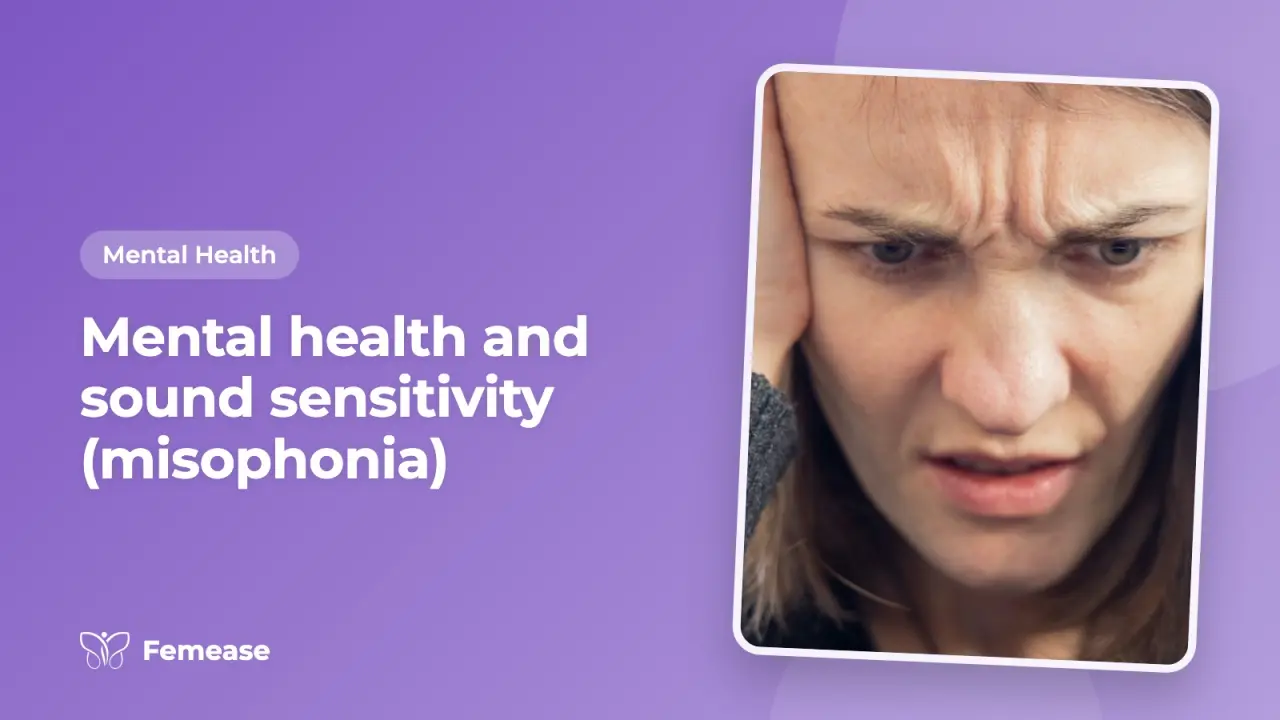
In short: Misophonia is a condition where certain everyday sounds, such as chewing, slurping, breathing or pen clicking, set off strong anger, anxiety or disgust. It is real, not over-sensitivity, and it can strain work, meals and relationships. There is no cure yet, but it can be managed with sound masking, noise-cancelling headphones, CBT with a therapist and honest talks with family. If it is affecting your daily life, talk to a therapist or doctor.
Imagine if the sound of someone chewing, tapping a pen, or even breathing too loudly sent a wave of rage or anxiety through your entire body. For people living with misophonia, this is not just an annoyance, it is a daily struggle.
What is misophonia?
Misophonia, meaning "hatred of sound," is a neurological condition where certain sounds trigger intense emotional or physical reactions. These reactions go beyond irritation; they can spark panic, anger, disgust, or even a full-blown meltdown. Common trigger sounds include chewing, slurping, throat clearing, pen clicking, or even repetitive foot tapping.
Though it is not officially classified as a mental health disorder, misophonia is closely linked with anxiety, obsessive-compulsive tendencies, and sensory processing difficulties.
The invisible agony of everyday life
For someone with misophonia, daily life can feel like walking through a minefield of triggers. Many sufferers describe feeling “trapped” or “violated” by sounds that others do not even notice.
- A quiet dinner turns into a battlefield of clenched fists and mental chaos.
- Office meetings feel unbearable when someone taps a pen or sips too loudly.
- Public transport? A nightmare of sniffles, phone beeps, and rustling bags.
This hypersensitivity often leads to avoidant behavior, isolation, or internalized shame. Many individuals feel misunderstood, mocked, or labelled as “overly sensitive,” which only worsens their mental health.
Misophonia and relationships: A silent strain
One of the hardest parts of living with misophonia is how it affects relationships.
- Romantic partners may feel hurt or rejected if simple actions, like eating chips or breathing through the nose, trigger an explosive reaction.
- Parents and siblings may tiptoe around the house to avoid causing distress.
- Friendships may fade as social situations become too overwhelming to handle.
The emotional toll is mutual. Loved ones often do not understand what is happening, and misophonia sufferers struggle with guilt, frustration, and exhaustion from constantly explaining or suppressing their reactions.
Is it mental? Yes, but not “all in your head”
In people with misophonia, there seems to be stronger connectivity between the auditory cortex and areas of the brain responsible for emotion regulation, such as the amygdala and insula. This means the reaction is neurologically real, not just psychological or imagined.
It also explains why sounds that are benign to others can provoke such extreme responses, the brain processes them as threats.
Coping with misophonia: real help, real hope
While there is no cure for misophonia yet, there are effective strategies to manage symptoms:
1. Sound masking
Using white noise, nature sounds, or noise-cancelling headphones can help reduce exposure to trigger sounds.
2. Cognitive behavioral therapy (CBT)
CBT can help individuals reframe negative thoughts around trigger sounds and learn calming techniques during exposure.
3. Supportive communication
Educating family, friends, and coworkers about misophonia can build understanding and reduce tension.
4. Avoidance + Acceptance
While total avoidance is not always possible, it is okay to set healthy boundaries. Acceptance of your condition, without shame, is key to healing.
Misophonia affects many people, yet remains poorly understood and often misdiagnosed. Raising awareness is not just about sympathy, it is about validating real experiences and fostering environments where people can be themselves without constant distress.
If you or someone you love has misophonia, know this: You are not being dramatic. Your pain is real. And you are not alone.
Questions women ask
What are the symptoms of misophonia?
Certain sounds, often mouth sounds like chewing or breathing, or repetitive ones like tapping, trigger a sudden wave of anger, panic or disgust. People may clench up, need to leave the room, avoid meals with others and then feel guilty.
Is misophonia real?
Yes. It is not officially listed as a mental health disorder, but the brain seems to treat these sounds as threats, so the reaction is real and not imagined. It is often linked with anxiety and sensory processing difficulties.
Why does the sound of chewing irritate me so much?
For some people, the brain links certain sounds like chewing with alarm and strong emotion. If chewing sounds regularly make you angry or panicky, it may be misophonia, and a therapist can help you manage it.
How is misophonia treated?
There is no cure yet, but it can be managed. Sound masking with white noise or nature sounds, noise-cancelling headphones, CBT with a therapist and explaining misophonia to family and coworkers can all reduce distress.
General information, not medical advice. Talk to a doctor about your own health.
Keep reading
Postpartum sound sensitivity: why sounds feel loud
After birth, sounds like a baby's cry can feel unbearable. Hormones, poor sleep and constant alertness play a part. See what helps and when to get support.
Does music frequency affect your mood and sleep?
Calm music and nature sounds can help you relax and sleep. Learn how sound affects the mind, and what is known about 432 Hz and binaural beats.

Why chewing food well matters for digestion
Chewing is the first step of digestion, and rushing meals can bring bloating and gas. See what happens when you rush and simple ways to chew better.
Sensitive to smells and sounds in pregnancy? Why
Smells, sounds and touch can feel like too much when you're pregnant. Why it happens, and calm ways to cope with sensory overload.

Negative self-talk and mental health: how to be kinder
Harsh self-talk can feed stress and low self-esteem. Learn to notice your inner critic, question it and speak to yourself like a friend.
Grief for the life you did not live: what it means
Quiet sadness for paths you did not take is real, even when life is good. Learn why it hurts, why it is not ingratitude, and how to make peace with it.
