Epsom salt, Himalayan salt and sea salt for skin care
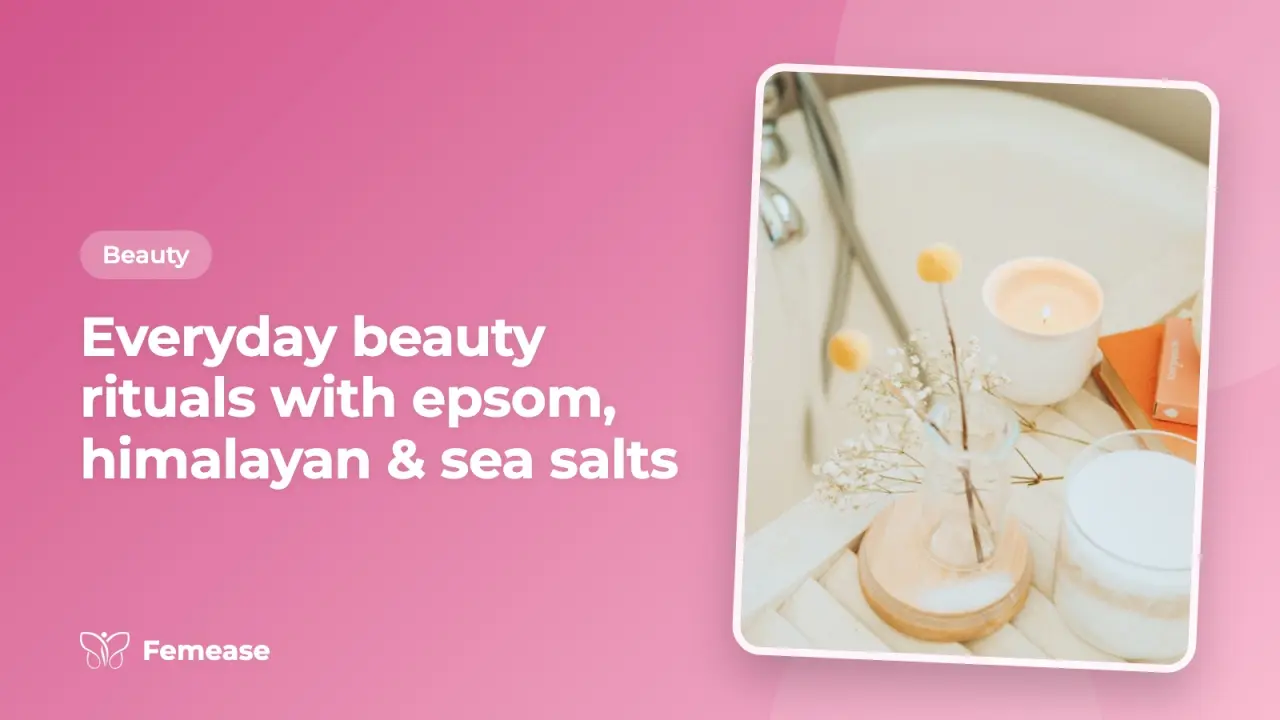
In short: Epsom, Himalayan pink and sea salt can be gentle extras in your beauty routine, mainly as a body or foot scrub, a warm foot soak, or a light scalp scrub mixed with conditioner. They work by buffing away dry, dead skin. They are not a cure for acne or dark spots, and they can dry or sting, so patch test first and always moisturise after. On your face, use only a tiny dissolved pinch, and skip salt on broken or irritated skin.
When you think of Epsom, Himalayan, or sea salts, a warm, relaxing bath might be the first image that comes to mind. But these natural salts are much more than just a luxurious bath soak; they are versatile, skin-loving minerals that can fit easily into your everyday beauty rituals.
1. Epsom salt: Your skin’s soothing soak
What it is: Epsom salt is not technically a “salt,” but a mineral compound made of magnesium sulfate. It is famous for muscle relief, but it is also a game-changer for skin.
Daily Beauty Uses:
- Face mask booster: Mix a pinch into your favorite clay or yogurt face mask for a gentle exfoliating boost. Skip it if you have active pimples or sensitive skin.
- Scalp scrub: Blend Epsom salt with conditioner and gently massage your scalp. It exfoliates product buildup and soothes irritation, leaving your scalp refreshed.
- Foot soak on-the-go: No tub? No problem. Add Epsom salt to a bucket of warm water for a quick 10-minute foot soak. It is perfect after a long day in heels or gym shoes.
2. Himalayan pink salt: Mineral-rich glow enhancer
What it is: Sourced from ancient sea beds in the Himalayas, this pink salt contains small amounts of minerals like potassium and calcium, and its fine grains make a gentle scrub.
Daily Beauty Uses:
- DIY face mist: Dissolve a tiny pinch in warm distilled water. Spritz for a refreshing feel, and stop if it stings.
- Lip exfoliator: Mix with honey or olive oil to gently scrub away dead skin and leave your lips soft and smooth.
- Salt soap bar: If you are into zero-waste or minimalist beauty, try using a Himalayan salt bar as a natural cleanser. It can gently exfoliate, but it may dry some skin, so moisturise after.
3. Sea salt: Nature’s texture tamer
What it is: Sea salt is harvested by evaporating seawater and is rich in minerals like magnesium, calcium, and potassium. It has been used in skincare rituals since ancient times.
Daily beauty uses:
- Texturizing hair spray: Mix Sea salt with warm water and a bit of coconut oil for an easy DIY beach wave spray. It adds volume and texture without the crunch.
- Body scrub: Combine with olive or almond oil for a natural exfoliator that buffs away dry skin and stimulates circulation. Pro tip: Use it on damp skin in the shower, 2–3 times a week.
- Not for acne: Salt does not treat pimples and can irritate them. If breakouts are deep, painful or leaving marks, see a dermatologist.
Salt smarts: What to keep in mind
- Always moisturize after use;salts can be drying if used alone.
- Patch test first, especially if you have sensitive skin or eczema.
- Choose high-quality, non-iodized salts for beauty purposes to avoid unnecessary additives or chemicals.
From Epsom’s soothing soaks to Himalayan’s fine-grained scrubs and sea salt’s beachy versatility, these natural salts deserve a permanent spot on your bathroom shelf.
They are affordable, multi-purpose, and beautifully simple. Whether you are mixing a quick scrub before bed or using a mineral mist to start your day, these salts can add meaningful impact to your beauty routine, no bath required.
Questions women ask
Is Epsom salt good for your skin?
It can be. A warm Epsom salt foot soak or a pinch in a body scrub feels soothing and softens rough skin. It is not a detox and it does not cure skin problems. Rinse well and moisturise afterwards, because salt can leave skin dry.
Can I use Himalayan pink salt on my face?
Only very gently. A tiny pinch dissolved in water, or mixed with honey for your lips, is enough, and never rub hard. Do a patch test on your inner arm first. If your skin is sensitive, has eczema or has broken pimples, skip salt on your face.
How often should I use a salt scrub on my body?
Two to three times a week is plenty. Mix sea salt with a little olive or almond oil, use it on damp skin in the shower and massage in soft circles. Skip it on freshly shaved or waxed skin, cuts or sunburn, and moisturise afterwards.
Can sea salt clear acne?
Salt water may help a pimple dry out a little, but it does not treat acne, and too much can irritate your skin. Never scrub pimples with salt. If breakouts are deep, painful or leaving marks, see a dermatologist for the right treatment.
General information, not medical advice. Talk to a doctor about your own health.
From the Femease store
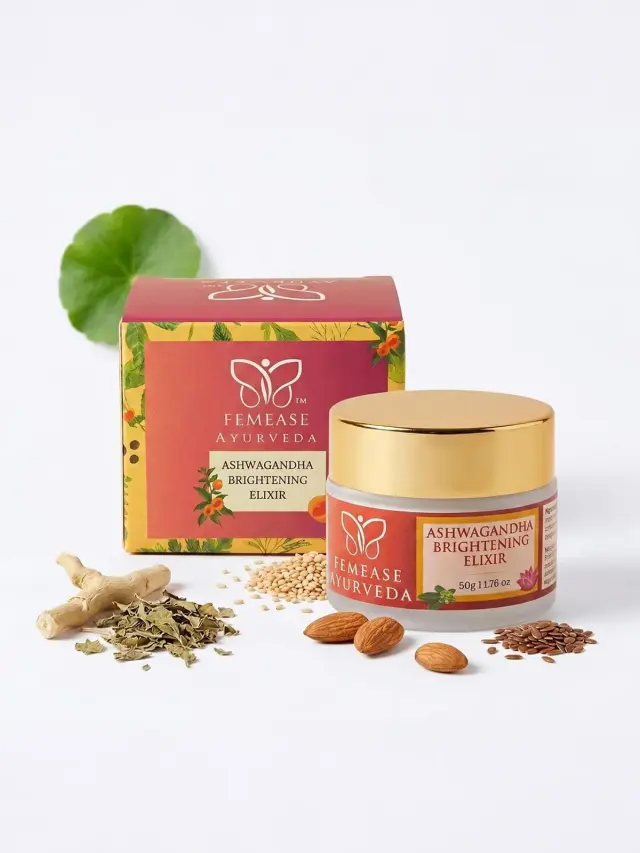
For glow
Ashwagandha Brightening Elixir
50g
849 rupees 43% off
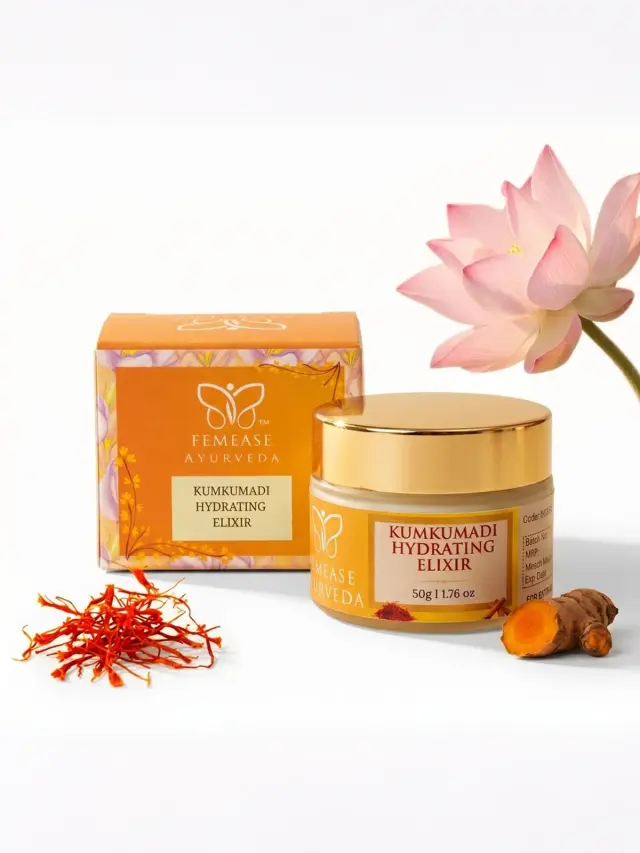
For glow
Kumkumadi Hydrating Elixir
50g
899 rupees
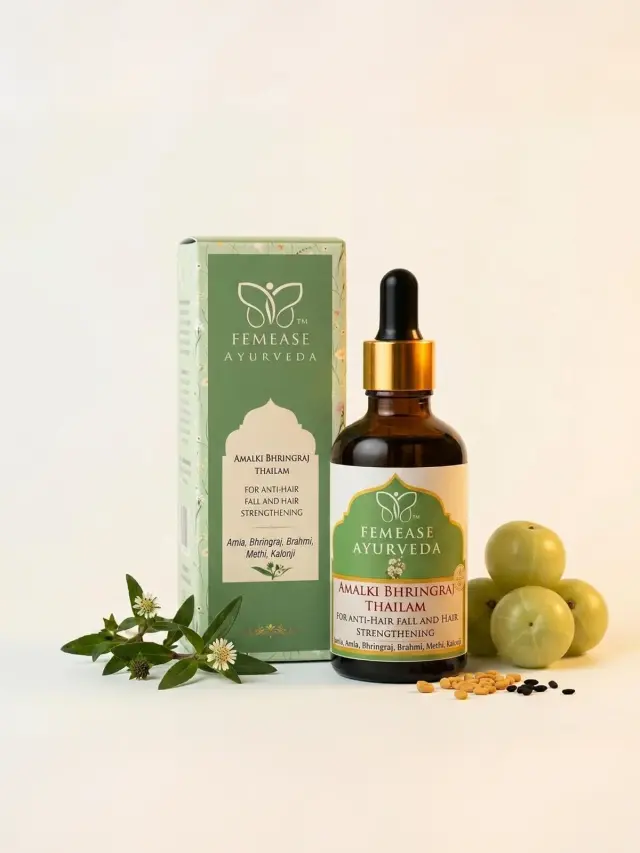
For weak hair
Amalki Bhringraj Thailam for Stronger Hair & Less Breakage
100ml
799 rupees
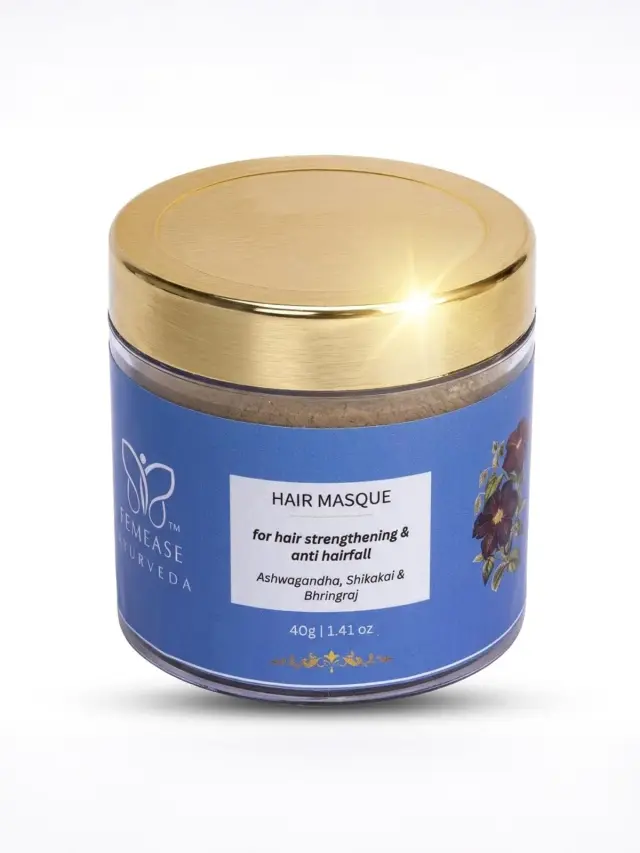
For weak hair
Ashwagandha, Shikakai & Bhringraj Hair Masque for Stronger Hair & Less Breakage
40g
599 rupees 29% off
Keep reading
Rock salt vs table salt: are they really better?
Rock, pink and sea salt carry small amounts of minerals but are still mostly sodium. See how they compare with table salt and why the amount matters most.

Home remedies for skin problems: acne, dry skin
Kitchen ingredients can help mild skin problems, but patch test first. See ideas for acne, dark spots, dry or oily skin and sunburn, and when to see a doctor.

Hormonal acne in adults: causes, signs and skin care
Hormonal acne can start or return in your 30s and 40s, often on the jawline and before periods. See the signs, common causes and supportive skincare.

Stretch marks in pregnancy: what to know about skin care
Stretch marks mostly come from genes and hormones, so no oil can promise to stop them. See what keeps skin comfortable, how oils are used and how marks fade.

Skin pH balance: what pH is bad for skin
Healthy skin is slightly acidic, about pH 4.5 to 5.5. See which products upset your skin barrier, the signs to look for and what to use instead.
Ayurvedic skincare for glowing skin by dosha
Ayurveda links glowing skin to inner balance. Learn how Vata, Pitta and Kapha skin types differ and simple steps that suit every skin type.
