Mineral deficiency and skin: signs of low iron and zinc
In short: Low levels of some nutrients can show on your skin. Low iron can make skin look pale and tired, low zinc can slow healing and leave dry, flaky patches, and low iron or B vitamins can cause cracks at the corners of the mouth. But many things affect skin, so do not guess. Eat a varied diet with greens, lentils, seeds and nuts, and see a doctor for a simple blood test before taking any supplement.
Ever looked in the mirror and thought, “Why is my skin acting up again?” From sudden breakouts to dullness, your skin is often the first to alert you when something is off inside your body. And while we often blame skincare products, hormones, or stress, one major culprit hides in plain sight: mineral deficiency.
Yes, your face could be whispering (or shouting) the truth about your diet and mineral intake.
The skin-mineral connection
Your skin is not just a protective barrier; it is your body’s largest organ and a visible reflection of your internal health. Minerals like zinc, iron, selenium, magnesium, and copper play key roles in keeping your skin glowing, calm, and youthful.
When these essential nutrients are missing from your plate, your skin can show signs.
1. Pale, dull skin? You might be low on iron
What it looks like:
- Skin looks tired, almost grey or pale
- Dark circles become more pronounced
- Lips and inner eyelids may lose their natural pink tone
Why does it happen? Iron helps carry oxygen through your blood. Low iron levels = less oxygen to your skin = a tired, washed-out complexion.
What to do: Add iron-rich foods like spinach, lentils, red meat, pumpkin seeds, or iron-fortified cereals. Vitamin C (like citrus fruits) can help with better iron absorption.
2. Dry, flaky skin? Check your zinc levels
What it looks like:
- Flaky patches that do not go away easily
- Slower wound healing
- Increased breakouts or skin sensitivity
Why does it happen? Zinc is essential for skin repair, oil production, and keeping inflammation in check. Without it, your skin struggles to heal and retain moisture.
What to do: Incorporate more seeds (pumpkin, sunflower), chickpeas, cashews, eggs, and whole grains into your meals.
3. Acne-prone or inflamed skin? It could be a selenium or omega-3 deficiency
What it looks like:
- Acne that seems resistant to topical treatments
- Skin looks red, irritated, or inflamed
- Signs of early aging, like fine lines
Why does it happen? Selenium is a powerful antioxidant that helps protect your skin from environmental damage and supports your body’s natural anti-inflammatory response.
What to do: Reach for Brazil nuts (just 1-2 a day is enough!), fish, brown rice, and mushrooms. Pair them with omega-3-rich foods like walnuts, flaxseeds, or fatty fish for maximum impact.
4. Dark under-eye circles and puffiness? You may be missing magnesium
What it looks like:
- Deep-set dark circles
- Puffy under-eye area, especially in the morning
- Muscle twitches or fatigue
Why does it happen? Magnesium supports blood circulation and hydration. A deficiency can lead to water retention and poor circulation, both of which show up around your eyes.
What to do: Include leafy greens, bananas, almonds, avocados, and dark chocolate in your daily diet. Bonus: Magnesium also helps with better sleep!
5. Premature wrinkles or sagging? Copper could be the key
What it looks like:
- Loss of skin elasticity
- Early signs of fine lines
- Sagging in areas like the jawline or around the eyes
Why does it happen? Copper plays a role in collagen production. Low levels can reduce skin firmness and the ability to fight oxidative damage.
What to do: Add mushrooms, sesame seeds, tofu, cashews, and shellfish to your meals. Copper works best when balanced with zinc, so aim for both!
6. Cracked lips and mouth corners? Think about B vitamins and iron
What it looks like:
- Peeling lips that are not solved by lip balm
- Cracks at the corners of the mouth
- Burning sensation on the tongue or inside the mouth
Why does it happen? This classic combo symptom often indicates iron or B-vitamin (especially B2 and B12) deficiency.
What to do: Consume more whole grains, dairy, meat, leafy greens, and fortified plant milks.
How to tell if you have a mineral deficiency
Aside from what shows on your skin, signs like fatigue, brain fog, brittle nails, or frequent infections can point toward deficiencies.
The best way to be sure? Get a simple blood test and consult with a nutritionist or healthcare provider before making any major changes or starting supplements.
No cream or facial can replace what your body truly needs from the inside out. Nourishing your body with the right minerals and nutrients is the ultimate form of skincare.
So next time your skin throws a tantrum, do not just reach for your serum, check your plate.
Questions women ask
Which deficiency causes dull skin?
Low iron is a common reason for pale, dull, tired-looking skin, especially in women with heavy periods. Low zinc and some B vitamins can also play a part. Sleep, stress, sun and not drinking enough water matter too, so a blood test is the best way to know.
What are the skin symptoms of iron deficiency?
Pale or greyish skin, pale lips and inner eyelids, darker-looking under-eye circles and cracks at the corners of the mouth. You may also feel tired, breathless or dizzy, or have brittle nails. Iron-rich foods help, but see a doctor for a blood test before taking any supplement.
What are the skin symptoms of zinc deficiency?
Dry, flaky patches that do not settle, cuts that heal slowly, and skin that breaks out or feels sensitive more easily. Pumpkin and sunflower seeds, chickpeas, cashews, eggs and whole grains are good food sources. Check with a doctor before taking any supplement.
Which deficiency causes dark circles?
Low iron can make dark circles look deeper. But dark circles are very often due to family traits, poor sleep, allergies or rubbing your eyes. Iron-rich foods like leafy greens and lentils support overall health, and a blood test can rule out anaemia.
When should I see a doctor about these signs?
See a doctor soon if you feel tired all the time, get breathless on stairs, feel dizzy, or have heavy periods along with pale skin. Go to hospital straight away if you faint, have chest pain, or your heart races while you are resting.
General information, not medical advice. Talk to a doctor about your own health.
From the Femease store
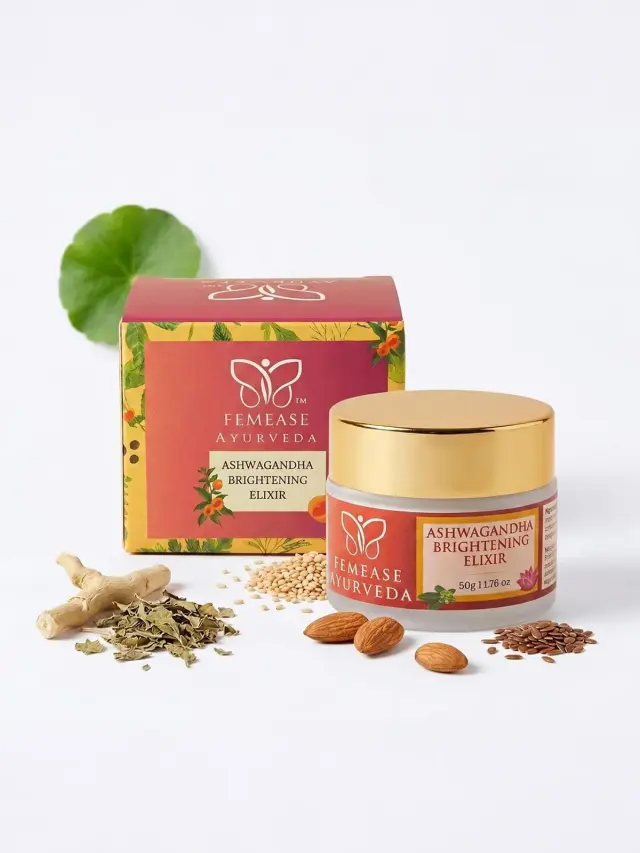
For glow
Ashwagandha Brightening Elixir
50g
849 rupees 43% off
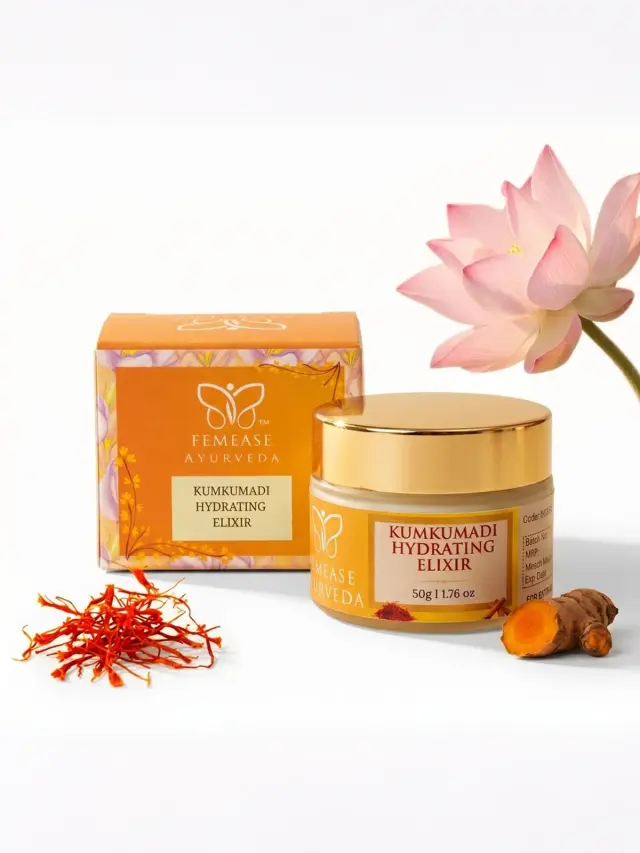
For glow
Kumkumadi Hydrating Elixir
50g
899 rupees
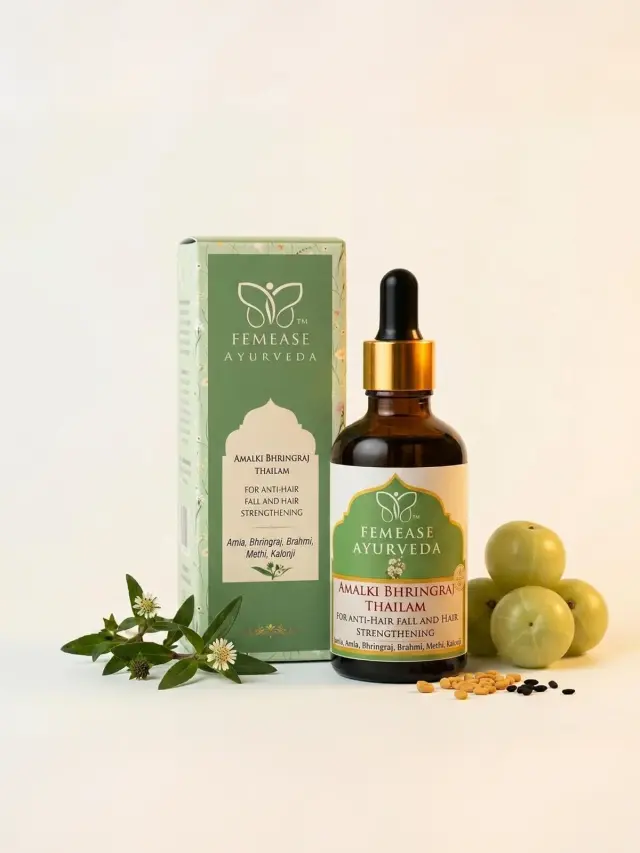
For weak hair
Amalki Bhringraj Thailam for Stronger Hair & Less Breakage
100ml
799 rupees
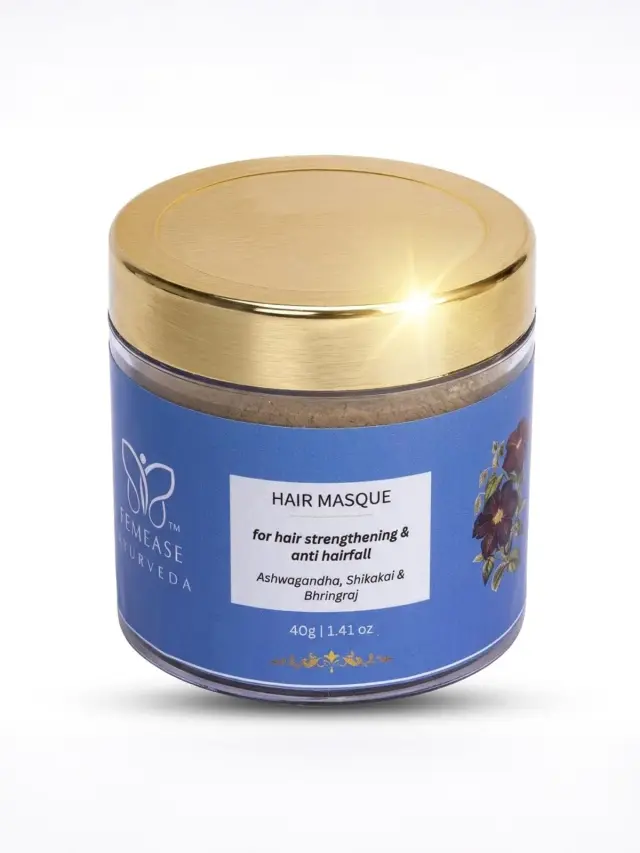
For weak hair
Ashwagandha, Shikakai & Bhringraj Hair Masque for Stronger Hair & Less Breakage
40g
599 rupees 29% off
Keep reading
Heavy periods and iron deficiency: signs and causes
Heavy periods are a common reason for low iron. See how blood loss drains your stores, signs women ignore, who is at risk and when to get a blood test.

Breastfeeding diet for low iron, B12 and calcium
Breastfeeding takes a lot from your body, and low iron, B12 or calcium is common. See which everyday Indian foods help and when to ask about testing.
Dry, dull skin? How AC and pollution affect your skin
Dry or dull skin indoors? Learn how AC, humidifiers and air pollution affect your skin, and simple changes to protect it at home and at work.
Tired on your period? Iron and ferritin explained
Why periods can leave you low on iron, the difference between iron and ferritin, and why a doctor's blood test is the way to know.

Dry chapped lips: is lip balm enough on its own?
Lip balm alone is often not enough for dry, chapped lips. Learn a simple routine with water, a gentle weekly scrub and a thick balm or lip mask at night.

Beauty habit stacking: build a skincare routine
Habit stacking ties one small beauty step to something you already do daily. See simple examples and how to start with just one pair of habits.
