Skin and hair changes in menopause: what to expect
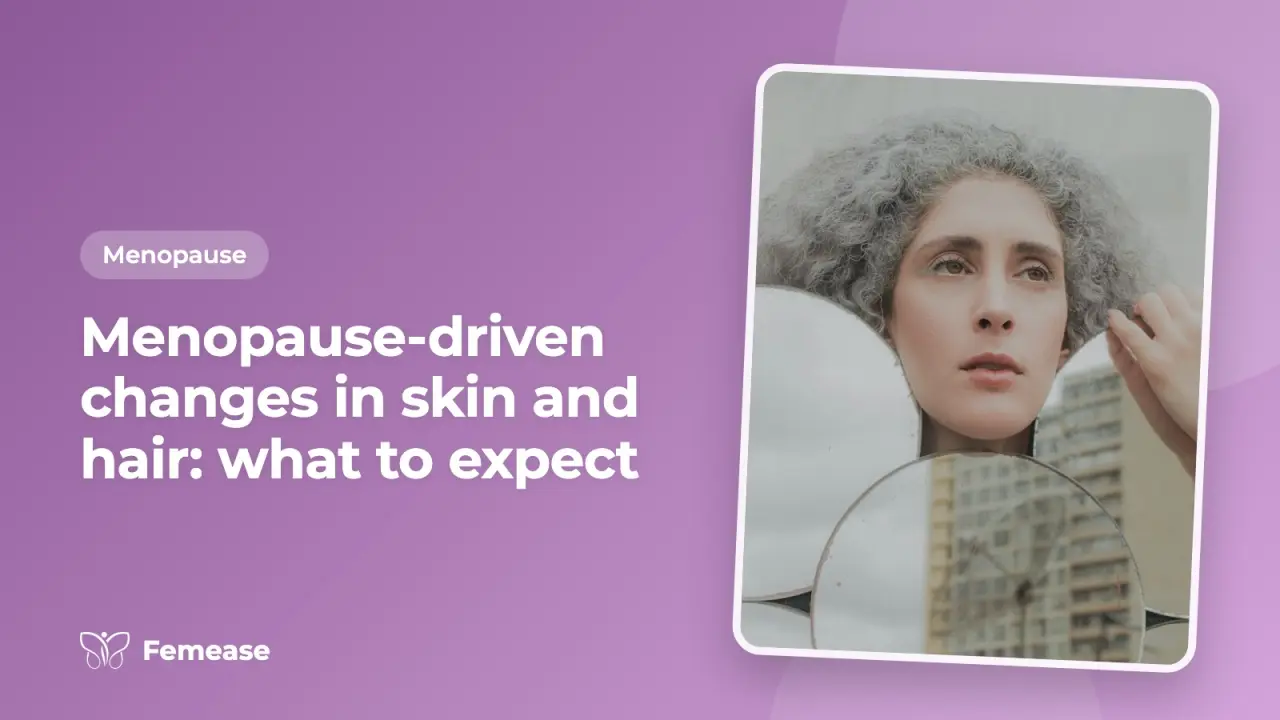
In short: As oestrogen falls around menopause, your skin makes less collagen and oil, so it can feel drier, thinner, itchier and looser, and fine lines show more. Hair often thins at the crown or temples, grows slower and sheds more, and the scalp may turn oily, itchy or sensitive. Gentle skincare, good food, sleep and stress care help. See a dermatologist or doctor if hair loss keeps getting worse or itching does not settle.
If you are in your 40s or 50s and wondering why your skin suddenly feels drier or your hair seems thinner than usual, you're not imagining it. Menopause brings about a quiet storm of changes in your body, especially in how your skin and hair behave. It is not talked about enough, but these shifts are deeply real, often frustrating, and deserve attention, not dismissal.
Let’s walk through what happens, and more importantly, how you can support your body through this natural transition.
Why menopause changes everything (especially skin and hair)
Menopause does not happen overnight. It is a gradual process, starting with perimenopause (which can begin as early as your late 30s or early 40s) and lasting several years. The main driver behind these changes is a steep decline in estrogen and progesterone, two hormones that once kept things running smoothly.
1. Collagen takes a hit (so does your skin’s bounce)
Estrogen is key to collagen production. Collagen is the protein that keeps skin plump, firm, and youthful. In the first few years after menopause, your skin loses a noticeable amount of its collagen. The result?
- More noticeable fine lines and wrinkles
- Sagging skin, especially around the jawline and cheeks
- Skin that bruises more easily or feels thinner
Tip: Support collagen with a diet rich in vitamin C and protein (think dal, fish, eggs), and protect your skin from the sun. A dermatologist can advise on skincare that suits you.
2. Dryness is the New Normal
Hormonal changes mean your skin produces less sebum (oil). The moisture barrier weakens, leading to:
- Flaky, rough patches
- Itchiness (especially on the arms and legs)
- Increased sensitivity to products you once loved
Tip: Switch to a creamy, non-foaming cleanser. Use a rich, fragrance-free moisturizer. And yes—hydration starts from the inside, so drink that water.
3. Hair thins out, especially around the crown
Hair has a life cycle, and estrogen is used to extend the growth phase (anagen phase). With its drop, you may see:
- Thinning at the crown or temples
- Hair that feels finer and more brittle
- Slower growth and increased shedding
Tip: A gentle scalp massage with rosemary or pumpkin seed oil, much like the champi many of us grew up with, may help improve circulation and feels soothing, and talk to a doctor about checking your iron or vitamin D levels—deficiencies are often linked to hair loss.
4. Scalp changes (oily, itchy, or suddenly sensitive)
While skin gets drier, some women notice their scalp gets oilier or more irritated. Others report dandruff or a feeling of itchiness that wasn’t there before.
Tip: Use gentle, sulfate-free shampoos and exfoliate your scalp once a week. Avoid daily washing—every other day or even twice a week is enough for many.
What you can do, beyond products
Menopause is not a condition. It is a life stage. But that does not mean you have to simply accept these changes without care.
Here is what can make a big difference:
- Nutrition matters: Fish, nuts, seeds, fruits, vegetables and enough protein are important for skin and hair health.
- Movement boosts circulation: Regular exercise increases blood flow to the skin and scalp, nourishing hair follicles and supporting healthy skin turnover.
- Sleep + stress management: Poor sleep and chronic stress (hello, cortisol!) can accelerate collagen breakdown and hair loss. Prioritize winding down routines and good sleep hygiene.
- Talk to a professional: Dermatologists, trichologists, and even hormone specialists can explain the treatment options that suit you, depending on your comfort level and need.
Questions women ask
Does menopause cause hair loss?
It can. Oestrogen helps keep hair in its growth phase, so when it falls, hair may thin at the crown or temples, feel finer and shed more. Low iron or vitamin D can add to it, so ask a doctor to check your levels.
Why is my skin so dry and itchy during menopause?
Lower oestrogen means your skin makes less oil and its moisture barrier weakens, so you may get flaky, rough or itchy patches, especially on the arms and legs. Use a mild non-foaming cleanser, a rich fragrance-free moisturiser, and drink enough water.
How does menopause change the skin on your face?
Less collagen means more fine lines, some sagging around the jaw and cheeks, and skin that bruises easily or feels thinner. Some women also react to products they used for years. Gentle skincare, sun protection, food rich in vitamin C and protein, and good sleep all help.
When should I see a doctor for menopause skin or hair changes?
See a dermatologist or doctor if hair falls in patches or keeps getting worse, if itching disturbs your sleep or comes with a rash, or if your skin changes suddenly. A doctor can check iron, vitamin D and thyroid levels and suggest the right treatment.
General information, not medical advice. Talk to a doctor about your own health.
Keep reading
Hair thinning and itchy scalp in menopause
Yes, hair often thins in menopause as hormones fall, and the scalp can turn dry or tender. See why it happens, what helps and when to see a doctor.

Hair fall after delivery: skin and nail changes postpartum
Hair fall after delivery is very common and temporary. See why it happens, when it slows down and what helps with dry skin, dark patches and weak nails.
What happens to your body after menopause
After menopause, lower oestrogen changes bones, heart, weight and mood. Learn what to expect, from vaginal dryness to sleep, and when to see a doctor.

Makeup for mature skin over 40: tips for dry, thin skin
After 40, skin gets drier and matte makeup can look cakey. See why skin changes, why old products stop working and what to use for a fresher, dewy finish.

Menopause and digestion: bloating, constipation
Yes, menopause can slow digestion. Learn why bloating, gas and constipation increase as oestrogen drops, and what helps with food, water and movement.
Health checks after menopause: screening checklist
After menopause, regular check-ups matter even if you feel well. See which tests to ask about, from bone density and thyroid to heart and breast checks.
