Period brain fog: why your focus changes
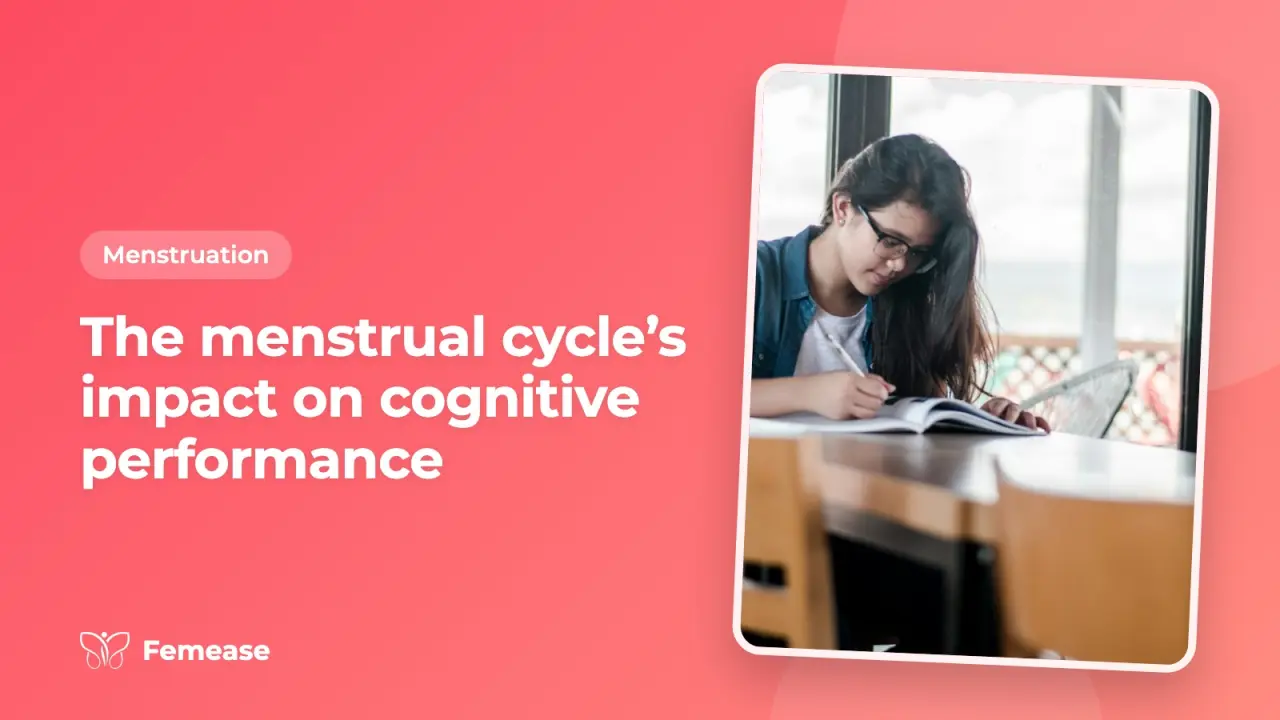
In short: Yes, brain fog around your period is real. Oestrogen and progesterone rise and fall through your cycle, and these hormones affect brain chemicals like serotonin and dopamine. Many women feel sharpest around ovulation and foggier, more tired or more distracted just before and during their period. Tracking your cycle, sleeping well and planning lighter tasks for those days helps. If brain fog or low mood is severe every month, see a doctor.
Let’s talk about something that does not get nearly enough attention: how your brain works differently throughout your menstrual cycle. You are not imagining it: one week, you might feel laser-focused and sharp, the next, foggy and indecisive. These changes are not just “in your head”; they’re happening because of your hormones.
In this blog, we’ll discuss how each phase of the menstrual cycle can influence cognitive abilities like focus, memory, and decision-making. We'll also share who’s more likely to feel these shifts more intensely and holistic, science-backed ways to manage them.
First, a quick refresher: The four phases of the menstrual cycle
Menstrual Phase (Days 1-5): This is when your period starts. Hormone levels (estrogen and progesterone) are low.
Follicular Phase (Days 6-14): Estrogen rises, preparing your body for ovulation.
Ovulation (Around Day 14): Estrogen peaks, and you release an egg.
Luteal Phase (Days 15-28): Progesterone rises after ovulation; both estrogen and progesterone drop toward the end if pregnancy doesn’t occur.
Cognitive performance across the cycle
Menstrual phase: foggy but calm
- What’s happening: Estrogen and progesterone are at their lowest.
- How it feels: Many women report feeling tired, low in energy, or mentally sluggish. Brain fog and reduced memory recall can show up here.
- Why: Low estrogen means less dopamine and serotonin production, neurotransmitters that affect motivation and alertness.
- Tip: Be gentle with yourself. Try low-impact tasks, journaling, or planning rather than executing high-stakes decisions.
Follicular phase: brain power rising
- What’s happening: Estrogen begins to rise, and so does your cognitive firepower.
- How it feels: Creativity, focus, and motivation improve. You might feel more optimistic and mentally sharp.
- Why: Estrogen enhances synaptic plasticity (aka how easily your brain forms new connections). It's linked to improved verbal memory and executive function.
- Tip: Take advantage of this window, schedule brainstorming sessions, presentations, or challenging tasks here.
Ovulation: peak mental clarity
- What’s happening: Estrogen is at its peak. Testosterone also spikes briefly.
- How it feels: Many women report feeling most confident, social, and cognitively alert during this time.
- Why: This combo of hormones enhances verbal fluency, spatial awareness, and motivation.
- Tip: Use this phase to your advantage when making complex decisions or engaging in high-performance activities.
Luteal phase: Emotional, distracted, or overwhelmed
- What’s happening: Progesterone rises; estrogen slowly drops. Toward the end, both decline rapidly.
- How it feels: You may feel scattered, anxious, or find it harder to concentrate. Short-term memory and focus can dip. Some may also feel more emotional or sensitive.
- Why: Progesterone can have a sedating effect and reduce mental clarity. The drop in estrogen can affect serotonin, leading to mood swings or irritability.
- Tip: Practice self-care and stress-reduction techniques. Break tasks into smaller chunks, and build in mental breaks.
Who feels it the most?
- People with PMS or PMDD: These individuals may experience more pronounced mood and cognitive symptoms in the luteal phase.
- Those with ADHD: Estrogen fluctuations can exacerbate attention-related symptoms, especially right before menstruation.
- Women with thyroid imbalances, PCOS, or chronic stress: Hormonal imbalances can magnify cognitive shifts across the cycle.
Holistic ways to stay mentally balanced
Track your cycle: Awareness is power. Use an app or journal to understand how your cognitive patterns align with your hormones.
Nourish your brain: Eat omega-3-rich foods (flaxseeds, walnuts, fish), and include foods rich in B vitamins, magnesium, and zinc, like whole grains, dal, nuts and seeds
Exercise smart: Light movement during your period, cardio during ovulation, and gentle yoga during the luteal phase can align with your natural rhythms.
Sleep & mindfulness: Sleep hygiene and even 5 minutes of daily meditation can improve clarity and mood regulation.
Your brain and hormones are in constant conversation, and understanding this dance is one of the most empowering things you can do for your mental well-being.
Questions women ask
Why do I get brain fog during my period?
During your period, oestrogen and progesterone are at their lowest. Lower oestrogen can mean less serotonin and dopamine, which affect focus and energy. Tiredness, poor sleep and blood loss can add to the foggy feeling.
Does dopamine drop before your period?
Oestrogen helps support dopamine and serotonin, so when oestrogen falls in the days before your period, many women notice lower motivation, focus and mood. This is part of why PMS can feel mental as well as physical.
When in my cycle is my brain sharpest?
Many women feel most focused, confident and creative in the days before and around ovulation, when oestrogen is high. It can help to plan big tasks or presentations for this time if you are able to.
How can I manage brain fog around my period?
Track your cycle, break work into small steps, take short breaks and protect your sleep. Eat regular meals with omega-3 foods like flaxseeds and walnuts, move gently and try a few minutes of quiet breathing each day.
When is period brain fog a reason to see a doctor?
See a doctor if brain fog is severe, lasts all month, or comes with very heavy periods, breathlessness or dizziness, which can point to low iron. If you feel very low or anxious before every period, it may be PMDD, which a gynaecologist can help with.
General information, not medical advice. Talk to a doctor about your own health.
From the Femease store

For your period
My Cara Ultra-thin Sanitary Pads with Organic Cotton Top Layer (4M+4L+4XL)
12 pads (4 M, 4 L, 4 XL)
199 rupees 22% off

For your period
My Cara Ultra-thin Sanitary Pads with Organic Cotton Top Layer (20 Large)
20 Large pads
299 rupees 45% off
Keep reading

Mom brain is real: forgetfulness after pregnancy
Mom brain is real and common. Learn how brain changes, hormones, broken sleep and mental load cause forgetfulness and fog, and when it usually eases.

Menopause mood swings: why emotions feel so intense
Yes, menopause can affect your emotions. Learn why hormones bring mood swings, anxiety and brain fog, and which coping strategies can help you through it.
How the menstrual cycle affects mood, sleep and gut
Yes, your cycle changes more than bleeding. See how hormones shift mood, sleep, digestion and skin each month, and when to see a gynaecologist.
Gut-brain connection: can food affect your mood?
Your gut and brain talk through nerves and gut bacteria. Learn how food, sleep and stress affect digestion and mood, and when to see a doctor if it lasts.

Menstrual migraine: causes, signs and what helps
A menstrual migraine is a strong headache linked to the drop in oestrogen around your period. Learn why it happens, who is at risk and habits that may help.

PCOS and PMDD: how they overlap and differ
Irregular periods, acne and intense mood swings before your period? How PCOS and PMDD overlap, why the link is often missed, and what you can do.
