Does music frequency affect your mood and sleep?
In short: Music and sound can change how you feel. Slow, calm music and natural sounds like rain or waves can help you relax and sleep, while faster music can lift energy and focus. Claims about special healing frequencies such as 432 Hz or 528 Hz are not well proven, so treat them as something to try, not a treatment. Constant loud noise can raise stress. If low mood or anxiety does not ease, talk to a therapist or doctor.
We’ve all felt it, the rush of joy from an upbeat song, the soothing calm of ocean waves, or the tension rising with eerie background music in a movie. But have you ever wondered why sound affects us so deeply?
From ancient chanting rituals to modern binaural beats and Spotify therapy playlists, sound is not just something we hear, it is something we feel. In this blog, we will explore how music, frequencies, and soundscapes influence our mental state, and how you can use them to improve your mood, focus, and overall well-being.
The Psychology of Sound
Sound directly affects our brainwaves, nervous system, and even our heartbeat. Music is known to activate the limbic system, the emotional center of the brain, influencing our feelings, memories, and stress levels.
- Fast tempos can elevate energy and boost focus.
- Slow rhythms can reduce anxiety, calm the nervous system, and promote better sleep.
- Certain frequencies can trigger relaxation, clarity, or emotional release.
That is why people use music to work out, cry, meditate, or even concentrate better at work.
The science of frequency
Every sound carries a frequency, measured in Hertz (Hz). Some believe specific frequencies have healing properties. Many of these claims are exaggerated or not proven, but some people find certain sounds relaxing.
- 432 Hz: Known as the “natural tuning,” it is said to promote peace and emotional clarity. Some people say they feel more relaxed when music is tuned to 432 Hz compared to the standard 440 Hz.
- 528 Hz: Called the “miracle tone,” it is linked with claims of DNA repair, which are not proven.
- 40 Hz: Being researched for memory and thinking, but it is not a proven treatment for any condition.
Binaural beats
Binaural beats are an auditory illusion created when two slightly different frequencies are played in each ear. The brain perceives a third tone, the difference between the two, and syncs to it, a process known as brainwave entrainment.
- Delta (1-4 Hz): Deep sleep, healing
- Theta (4-8 Hz): Meditation, creativity
- Alpha (8-14 Hz): Calm focus
- Beta (14-30 Hz): Alertness, problem-solving
- Gamma (30-100 Hz): Cognitive functioning, consciousness
While more research is needed, many users report improved focus, anxiety reduction, and better sleep using binaural beat apps or YouTube tracks.
Sound therapy in practice
Sound therapy is not new. From Tibetan singing bowls to Aboriginal didgeridoos, cultures worldwide have used sound for spiritual and emotional healing.
Today, sound baths, gong therapy, and vibrational healing sessions are gaining popularity for stress relief and emotional balance. Hospitals even use music therapy to ease pain, reduce anxiety, and support recovery in cancer and surgery patients.
Many people find that:
- Music helps them feel less stressed.
- Gentle vibrations, like those from singing bowls, ease muscle tension and lift their mood.
- Natural sounds (rain, wind, waves) help them feel calmer and more focused.
Not all sound is healing
While calming sounds can help, chronic exposure to negative noise, like traffic, construction, or loud work environments can do the opposite.
Constant noise triggers the stress response, even if you are not consciously annoyed. Over time, this can lead to:
- Poor sleep quality
- Elevated blood pressure
- Increased anxiety and irritability
- Reduced productivity
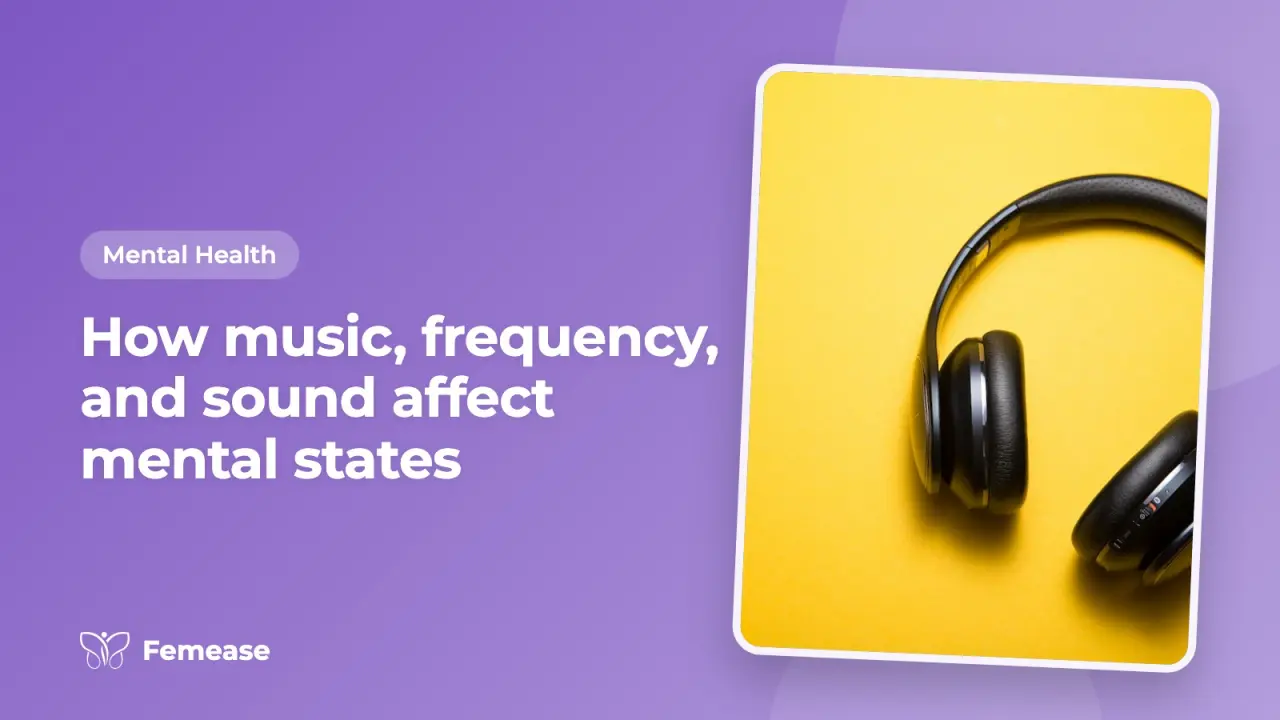
Pro tip: Create a healthier sound environment by using noise-cancelling headphones, soundscapes, or soft instrumental music at work or home.
How to use sound for better mental health
Here are a few easy ways to harness sound for healing:
- Start your day with music that uplifts. Upbeat tunes can set a positive tone.
- Try binaural beats for focus or sleep.
- Explore 432 Hz or 528 Hz tracks on YouTube or Spotify to see how they affect your mood.
- Add natural sounds, rain, forest, ocean to your work playlist to boost calm and focus.
- Practice mindfulness with sound baths or singing bowl meditations (many are available online).
- Limit harmful noise exposure keeps your sound environment gentle and intentional.
Sound is more than entertainment, it is energy. It can lift you up, ground you, relax your body, or sharpen your mind. By becoming more conscious of your auditory environment, you can use music and frequency as tools to support your mental and emotional health.
Questions women ask
How does music affect the brain and stress?
Music works on the emotional centres of the brain, which affect mood, memories and stress. Slow, gentle music can help calm the nervous system, and music therapy is used in hospitals to ease anxiety and support recovery.
What are the benefits of binaural beats?
Binaural beats play slightly different tones in each ear. Some people say they help with focus, relaxation or sleep, but more research is needed. Listen at a low, comfortable volume and do not rely on them in place of proper care.
Do 432 Hz and 528 Hz frequencies really heal?
The evidence is weak. Some people find music at these frequencies relaxing, but claims such as DNA repair are not proven. Enjoy them if they help you feel calm, but they are not a cure for any health problem.
Can noise affect mental health?
Yes. Constant traffic, construction or a loud workplace can keep your stress response switched on, leading to poor sleep, irritability and anxiety. Quiet time, soft music or noise-cancelling headphones can help.
General information, not medical advice. Talk to a doctor about your own health.
Keep reading

Music and meditation in pregnancy: can baby hear in womb?
Calm music and quiet breathing can ease stress in pregnancy. See when baby starts to hear, how music and meditation help sleep and bonding, and the limits.

Sensitive to smells and sounds in pregnancy? Why
Smells, sounds and touch can feel like too much when you're pregnant. Why it happens, and calm ways to cope with sensory overload.
Non-verbal therapy: art, music and dance for feelings
Non-verbal therapy uses art, music, dance and play when feelings are hard to say aloud. See who it can suit, how to begin and why no talent is needed.
Misophonia: why chewing sounds make you angry
Misophonia is real, not over-sensitivity. Sounds like chewing can trigger anger or anxiety. Learn how it affects life and what helps you cope day to day.

What is hustle culture and how it hurts mental health
Hustle culture says you must always be busy to have worth. See how it leads to guilt, shame and burnout, and what a healthier idea of ambition looks like.
Emotional capacity vs emotional intelligence
Emotional intelligence is understanding feelings. Emotional capacity is staying with them. Learn the difference and how to build your capacity gently.
