C-section recovery: how long it takes and what helps
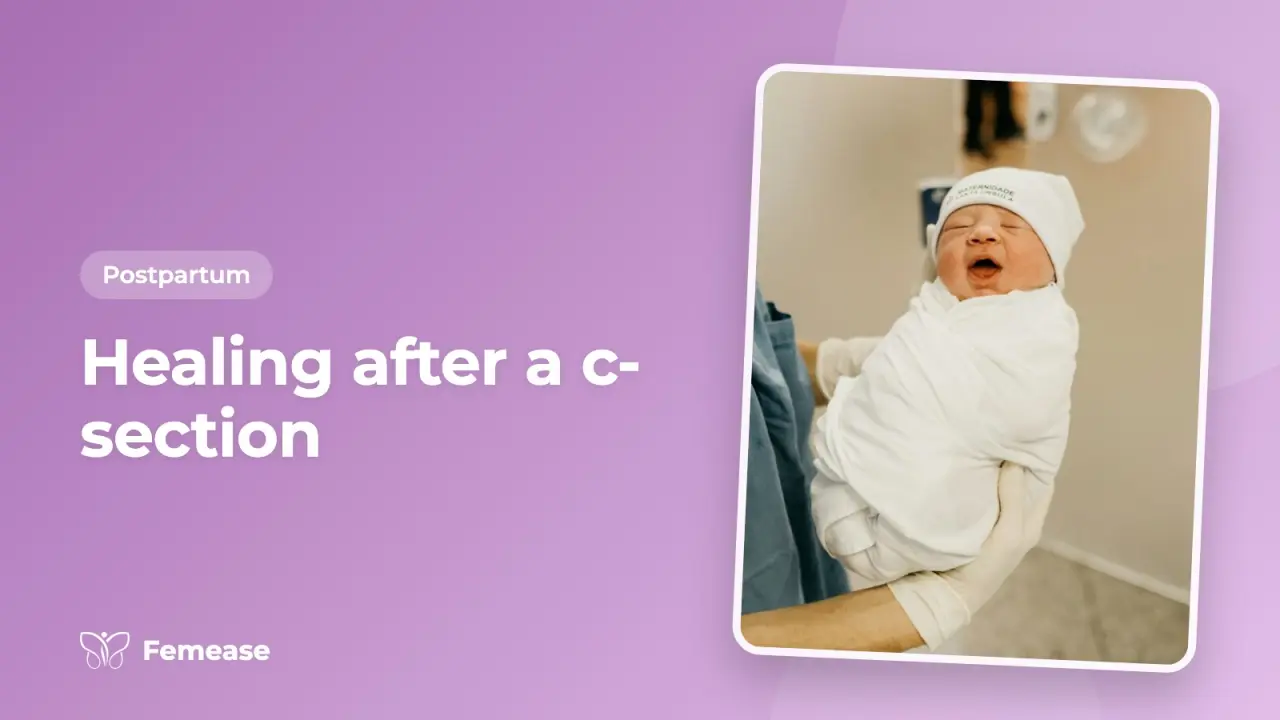
In short: Healing after a C-section usually takes about six to eight weeks, and sometimes longer, because it is major surgery. Rest, gentle short walks, a nourishing diet, plenty of water and help from family all support recovery. Keep the wound clean and dry and avoid heavy lifting until your doctor says it is fine. Call your doctor straight away if the wound gets redder, swollen or leaks discharge, or if you get a fever.
A Cesarean section (C-section) can be a life-saving procedure, but recovery afterward requires special attention and care. If you’ve recently undergone a C-section, here are essential tips to help you heal effectively and embrace motherhood with confidence.
Understand Your Recovery Timeline
Recovery from a C-section typically takes longer than recovery from a vaginal birth. It’s important to understand that your body needs time to heal, which can take anywhere from six to eight weeks, or even longer. Be patient with yourself and prioritize rest as your body works to recover.
Manage Pain Effectively
Post-operative pain management is crucial for your comfort and recovery. Your healthcare provider will explain the pain relief that suits you. Follow their instructions and communicate any concerns you may have about pain levels. Remember, it’s okay to ask for help when managing your pain.
Practice Gentle Movement
While it’s essential to rest, gentle movement can aid your recovery. Start with short walks around your home as soon as you feel up to it. Gradually increase your activity level as you feel more comfortable. Avoid heavy lifting and strenuous activities until your doctor gives you the green light.
Caring for Your Incision
Proper incision care is vital for healing. Keep the area clean and dry, and watch for any signs of infection, such as increased redness, swelling, or discharge. If you notice any concerning symptoms, contact your healthcare provider immediately.
Stay Hydrated and Nourished
A nutritious diet supports healing. Focus on foods rich in vitamins, minerals, and fiber to promote recovery. Hydration is equally important—drink plenty of water to aid digestion and prevent constipation, which can be a concern after surgery.
Connect with a Support System
Recovery can be overwhelming, especially with a newborn. Lean on your partner, family, and friends for support. They can assist with household tasks or provide emotional support, allowing you to focus on healing and bonding with your baby.
Explore Femease’s Postpartum Support
Femease offers tailored postpartum care plans designed to support mothers recovering from a C-section. Our services include personalized wellness plans that address your unique needs, focusing on both physical and emotional well-being. From nutrition guidance to mental health support, we’re here to help you navigate your recovery.
Seek Mental Wellness Support
A C-section can bring about a range of emotions, including disappointment or frustration. It’s important to acknowledge these feelings and seek support if needed. Femease’s mental wellness programs can help you process your emotions and provide strategies for coping with the challenges of postpartum recovery.
Conclusion
Healing after a C-section requires a balance of rest, proper care, and support. By understanding your recovery process, managing pain effectively, and seeking help, you can navigate this journey with confidence.
Remember, you’re not alone — Femease is here to support you with tailored care plans and resources as you embrace the joys and challenges of motherhood. If you have any questions or need guidance, don’t hesitate to reach out to Femease. Together, we can ensure you have the support you need during this important time in your life.
Questions women ask
How long does it take to heal after a C-section?
Most women need about six to eight weeks to recover, and some need longer. It usually takes more time than recovery from a vaginal birth. Be patient with yourself, rest when you can and increase activity slowly.
How should I take care of my C-section wound?
Keep the area clean and dry, and follow the care your doctor or nurse explained. Check it each day for more redness, swelling, warmth or discharge. If you notice any of these, contact your doctor straight away.
When can I walk and lift things after a C-section?
Short, gentle walks at home can start as soon as you feel up to it, and they help recovery. Avoid heavy lifting and hard exercise until your doctor gives you the go-ahead, usually at your postnatal check.
What are warning signs after a C-section?
Get help the same day for fever or a wound that is red, swollen, hot or leaking. Go to hospital straight away for heavy bleeding that soaks a pad in an hour, large clots, severe tummy pain, a painful swollen leg, chest pain or breathlessness. If you have thoughts of harming yourself or your baby, call Tele-MANAS 14416 or go to the nearest emergency.
Is it normal to feel low after a C-section?
Yes, many mothers feel disappointed, upset or overwhelmed, especially if the birth did not go as planned. Talk to someone you trust and lean on your family. If low mood lasts more than two weeks or feels too heavy, speak to your doctor.
General information, not medical advice. Talk to a doctor about your own health.
Keep reading

Postpartum recovery with twins: what to expect
Recovery after twins or triplets often takes longer. Learn what to expect physically, what helps, how sleep returns and what to know about feeding multiples.
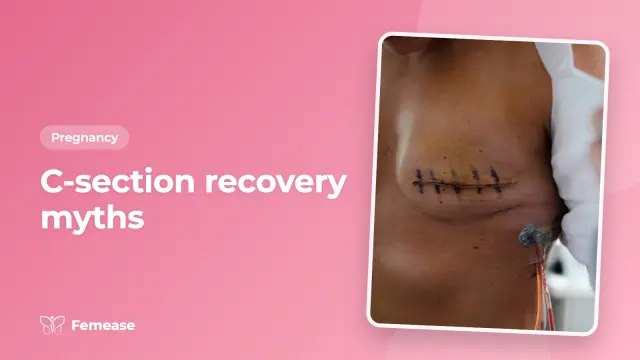
C-section recovery myths: what to expect
A C-section is major surgery, not the easy way out. Learn four common myths, why recovery takes months and which signs mean you should call your doctor.
C-section vs vaginal delivery recovery time
Recovery is usually quicker after a vaginal delivery, while a C-section is major surgery and slower. Compare pain, movement limits and recovery time.

After delivery, how many days of bleeding is normal?
Bleeding after delivery (lochia) usually lasts up to about 6 weeks. Learn normal colour changes, C-section bleeding, home care and warning signs to act on.
Breastfeeding tips for new moms: positions and latch
Simple breastfeeding tips: try different holds, skin to skin time and ask for help early if latching hurts. Learn when to see a lactation consultant.

Self-care for new moms: simple ideas that work
Self-care for new moms starts with the basics: rest, home food, water and help with chores. Learn gentle ways to look after yourself in the early weeks.
