Postpartum food aversions and cravings: why they happen
In short: Yes, food aversions and cravings after delivery are common and usually normal. Falling hormones, breastfeeding, poor sleep and stress can all change what you want to eat, so a food you loved may suddenly put you off while sweets or carbs feel irresistible. Most of this settles as your body recovers. See a doctor if you lose your appetite completely, skip meals for days, or crave non-food things like chalk or clay.
If you have had similar food curveballs after giving birth, you are not alone. Postpartum food cravings and aversions are real, and not nearly talked about enough.
We often associate unpredictable eating habits with pregnancy, but the truth is, your body does not just “go back to normal” the minute you deliver your baby. Postpartum recovery is a complex dance of hormones, emotions, physical healing, and, for many, breastfeeding, all of which can deeply influence your appetite, preferences, and even your digestion.
Why do postpartum food aversions and cravings happen?
1. Hormonal rollercoaster
After childbirth, your estrogen and progesterone levels take a nosedive. If you are breastfeeding, prolactin and oxytocin levels surge. This shift can influence not only your mood but also how your brain processes hunger and satisfaction.
Some moms report an intense need for sugar or carbs, your brain might be chasing quick energy as you cope with sleep deprivation, healing, and round-the-clock care.
2. Breastfeeding and nutritional needs
Breastfeeding can burn an extra 300–500 calories per day. That is a significant demand on your body, and it makes sense if you are suddenly dreaming about midnight bowls of pasta or double scoops of ice cream. On the flip side, some moms find they cannot tolerate foods they once loved. Spicy dishes, rich meats, or even coffee may suddenly cause nausea or digestive upset.
3. Stress, sleep & emotional eating
Let us be honest—postpartum life is intense. When you are surviving on 3-hour sleep blocks and managing unpredictable emotions, food becomes more than just fuel. Cravings can be emotional outlets. Aversions may arise because your gut and nervous system are overwhelmed.
Common postpartum cravings
- Sweet cravings like chocolate, dates, cookies, or creamy milk-based drinks (hello, warm turmeric latte)
- Carb-heavy foods such as rice, bread, and potatoes
- Spicy or tangy flavors,many new moms report craving pickles, chaat, or citrus
- Protein,especially if you are breastfeeding, your body might want more lentils, eggs, nuts, or meat
Common postpartum aversions
- Oily or deep-fried foods may feel too heavy on the stomach
- Coffee or caffeine can cause jitters or increase anxiety, especially if you are sleep-deprived
- Strong-smelling spices like hing (asafoetida), garlic, or mustard oil
- Red meat or certain fish, particularly if you had food aversions during pregnancy that continue into postpartum
Is this normal?
Yes! Most food cravings or aversions in postpartum are normal responses to the body’s recovery and recalibration. But if you find yourself only eating one type of food for days or skipping meals due to repulsion, it might be time to check in with a nutritionist or postpartum care provider.
Important to watch out for:
- Sudden loss of appetite
- Cravings for non-food items (like chalk or clay, this could signal pica.
- Extreme sugar or salt cravings that interfere with balanced eating
Tips to manage postpartum eating swings
Listen to your body, not just your habits Your needs have changed, honor that.
Balance is key If you crave something indulgent, pair it with something nourishing (e.g., chocolate with a handful of nuts).
Prep postpartum-friendly meals in advance Think khichdi, stews, roasted root vegetables, soups with ghee, or Ayurvedic lactation laddoos.
Stay hydrated Thirst often masks itself as hunger, especially when breastfeeding.
Do not guilt yourself Your body just created life. Craving a paratha with extra butter? Go for it—just be mindful.
Postpartum is a sacred, messy, beautiful, and exhausting phase. And yes, sometimes it includes crying over cold pizza at 2 a.m. or wondering why your favorite dal now smells like drain water. You are not broken, you are evolving.
Embrace your changing tastes, nourish your body with love, and remind yourself: this too is part of the healing journey.
Questions women ask
Why do I have food aversions after giving birth?
After delivery your hormones drop sharply, and if you are breastfeeding, other hormones rise. Add little sleep, healing and stress, and your sense of smell and taste can change. Strong smells like garlic, hing or oily food may suddenly feel too much. It usually eases with time.
Why do I crave sweets after delivery?
Your body is tired, healing and, if you are breastfeeding, using extra energy, so it often reaches for quick fuel like sweets and carbs. It is fine to enjoy them. Pair a sweet with something nourishing, like a few nuts, and keep regular meals so the cravings are easier to manage.
How long do postpartum food aversions last?
For most women they fade over the first few weeks to months as hormones settle and sleep improves. If you are eating only one kind of food for days, or avoiding meals because food repels you, talk to your doctor or a nutritionist so you keep getting what your body needs.
When are postpartum eating changes a warning sign?
See a doctor if you suddenly lose your appetite, crave non-food things like chalk, clay or ice, or cannot keep food down. Get help the same day if you also feel very low or hopeless, have a fever, or feel faint and dizzy. If you have thoughts of harming yourself, get help straight away: go to the nearest hospital emergency or call Tele-MANAS, India's free mental health helpline, on 14416.
General information, not medical advice. Talk to a doctor about your own health.
Keep reading
Angry while breastfeeding? Aversion and dysphoria
Sudden anger or the urge to pull away while feeding is real and more common than people say. Learn what it is, why it happens and where to find support.
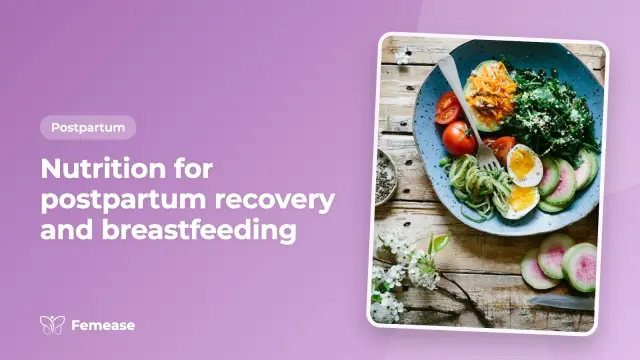
Nutrition for postpartum recovery and breastfeeding
What to eat after delivery? Postpartum food basics for recovery and breastfeeding, from warm cooked meals and ghee to laddoos and foods to avoid.
Period cravings: what they mean and why they happen
Chocolate, salty or carb cravings before your period? Hormones and blood sugar are behind them. What each craving may mean, and satisfying swaps.
Hair fall after delivery: skin and nail changes postpartum
Hair fall after delivery is very common and temporary. See why it happens, when it slows down and what helps with dry skin, dark patches and weak nails.
Feeling cold postpartum? Why new moms feel so cold
Always cold after giving birth, even in summer? It's common for weeks after a normal or C-section birth. The usual reasons, what helps and when to get checked.
After delivery, how many days of bleeding is normal?
Bleeding after delivery (lochia) usually lasts up to about 6 weeks. Learn normal colour changes, C-section bleeding, home care and warning signs to act on.
