Postpartum anemia symptoms: why it is often missed
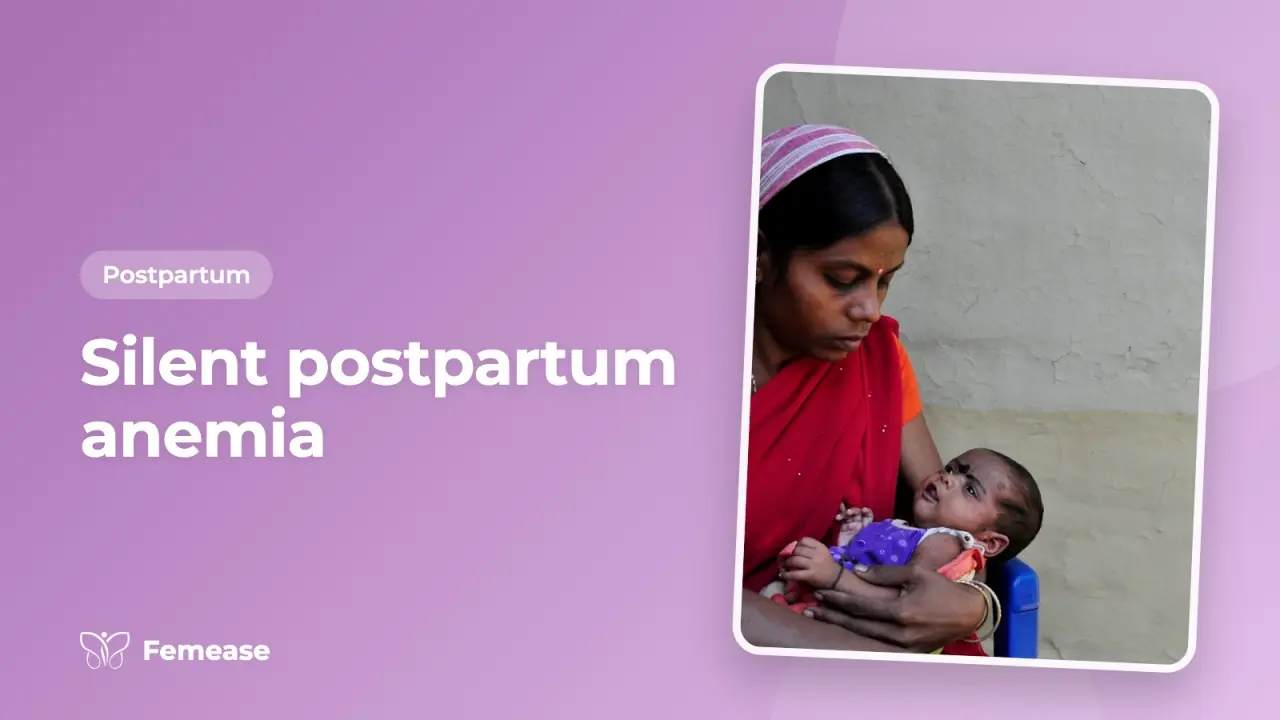
In short: Postpartum anaemia means your red blood cells or haemoglobin are too low after giving birth, usually because of blood loss during delivery or low iron. It is easy to miss because the signs, like constant tiredness, dizziness, a fast heartbeat, breathlessness, pale skin and hair loss, look like normal new-mother exhaustion. A simple blood test called a CBC can check for it. If you feel weak or dizzy after delivery, ask your doctor for this test.
“Maybe I’m just tired.” “It’s normal to feel dizzy after giving birth, right?” “Every new mom feels like this.”
If these thoughts sound familiar, you are not alone. For thousands of women, these quiet doubts mask something more than just the expected exhaustion of motherhood, postpartum anemia, a commonly overlooked but deeply impactful condition.
What is postpartum anemia?
Postpartum anemia occurs when a woman’s red blood cell count is too low after childbirth, typically due to blood loss during delivery or iron deficiency. It can lead to prolonged fatigue, dizziness, palpitations, pale skin, irritability, and even depression. Yet, it often goes undetected because its symptoms mimic what society has labeled as “normal” for new moms.
Postpartum anemia is common, but many women never receive a diagnosis.
Why does it go undiagnosed
1. Women normalize the symptoms
New mothers are culturally conditioned to expect fatigue, weakness, and mood changes. So, when anemia manifests, it is chalked up to sleepless nights or adjusting to motherhood. It is not until the symptoms become overwhelming, like near-fainting episodes or hair loss, that some seek help.
2. Postpartum care gaps
In many healthcare systems, attention dramatically drops off after delivery. While the baby receives multiple checkups, the mother is often seen only once, if that. Without routine blood tests, postpartum anemia remains in the shadows.
3. Focus shifts entirely to the baby
Most mothers instinctively prioritize their newborn’s needs over their own. Even if they feel something is “off,” they are less likely to speak up or seek help, especially when emotional or physical exhaustion is normalized.
Common symptoms of postpartum anemia to watch out for
- Constant fatigue, even after resting
- Dizziness or light-headedness
- Pale skin or dark circles
- Shortness of breath
- Fast heartbeat or palpitations
- Brittle nails and hair loss
- Irritability or mood swings
- Poor concentration or brain fog
If you are nodding along, listen to your body.
Diagnosis & treatment: A simple blood test can change everything
A complete blood count (CBC) test is often all it takes to diagnose anemia. From there, treatment is usually straightforward: iron-rich foods and the treatment your doctor recommends.
And the results? Often life-changing.
What you can do
- Get tested. If you had heavy blood loss during delivery or feel persistently weak, ask for a CBC test at your postpartum visit.
- Track your symptoms. Do not dismiss how you feel. Keep a journal and bring it up with your doctor.
- Eat iron-rich foods. Incorporate spinach, lentils, beets, sesame seeds, pomegranates, and lean meats into your diet.
- Follow your doctor's advice. If your doctor recommends treatment, do not skip it. Vitamin C-rich foods can also help with iron absorption.
To partners, families & healthcare providers
Listen closely when a new mom says, “I feel off.” It is not always just “mom fatigue.” Silent postpartum anemia can steal a mother’s joy, her ability to bond, and even her mental health, all while flying under the radar.
Motherhood is tough, but debilitating fatigue, dizziness, and breathlessness are not just part of the package. They might be signs that your body needs help.
Questions women ask
What are the symptoms of postpartum anaemia?
Common signs are tiredness that does not get better with rest, dizziness, pale skin, breathlessness, a fast or pounding heartbeat, brittle nails, hair loss, irritability and trouble concentrating. Many women think this is just new-mother tiredness, so it is worth getting checked.
Is low haemoglobin normal after delivery?
Some drop is common because every birth involves some blood loss, but haemoglobin that stays low is not something to ignore. Ask for a CBC blood test at your postpartum check, especially if you lost a lot of blood or feel weak or dizzy.
How is anaemia treated after pregnancy?
First a blood test confirms it. Then your doctor will suggest the right treatment for you. Eating iron-rich foods like spinach, lentils, beetroot, sesame seeds and pomegranate helps, and vitamin C foods help your body absorb iron. Check with a doctor before taking any supplement.
When is anaemia after delivery an emergency?
Go to hospital straight away if you are soaking a pad every hour, pass large clots, faint or nearly faint, have chest pain, feel very breathless at rest, or have a racing heartbeat that does not settle. These need urgent care.
General information, not medical advice. Talk to a doctor about your own health.
Keep reading

Hemoglobin low symptoms: signs of anaemia in women and what helps
Tired, breathless or dizzy? The signs of low haemoglobin in women, common causes like heavy periods and pregnancy, iron-rich foods and when to see a doctor.

Thyroid problems after pregnancy: postpartum thyroiditis
Postpartum thyroiditis can start in the first year after birth and feel like normal new-mother tiredness. See the signs, why it is missed and when to test.
Postpartum depression: symptoms, baby blues and getting help
Postpartum depression symptoms, how it differs from baby blues and postpartum psychosis, how long it lasts, what helps, and when to get help the same day.

Heavy periods and iron deficiency: signs and causes
Heavy periods are a common reason for low iron. See how blood loss drains your stores, signs women ignore, who is at risk and when to get a blood test.

When does your period return after delivery?
If you are not breastfeeding, periods may return in 6 to 8 weeks; with breastfeeding it can take months. See what the first period is like and when to worry.
Angry while breastfeeding? Aversion and dysphoria
Sudden anger or the urge to pull away while feeding is real and more common than people say. Learn what it is, why it happens and where to find support.
