How to balance hormones: daily habits that help
In short: Hormonal imbalance can show up as irregular periods, tiredness, mood swings, acne, weight changes or poor sleep. Everyday habits help support balance: whole foods with healthy fats and vegetables, 7 to 9 hours of sleep, managing stress, and regular but not excessive exercise. These support your body, but they are not a cure for conditions like PCOS or thyroid problems. If your periods are irregular or symptoms persist, see a gynaecologist to find the cause.
Hormonal balance is crucial for overall well-being, yet many women struggle to maintain it due to daily stressors and lifestyle choices. Imbalances can show up as fatigue, mood swings, acne, weight gain, and irregular periods, among other symptoms. The good news is that with small, consistent lifestyle changes, you can start bringing your hormones back into balance naturally.
Eat a Balanced Diet
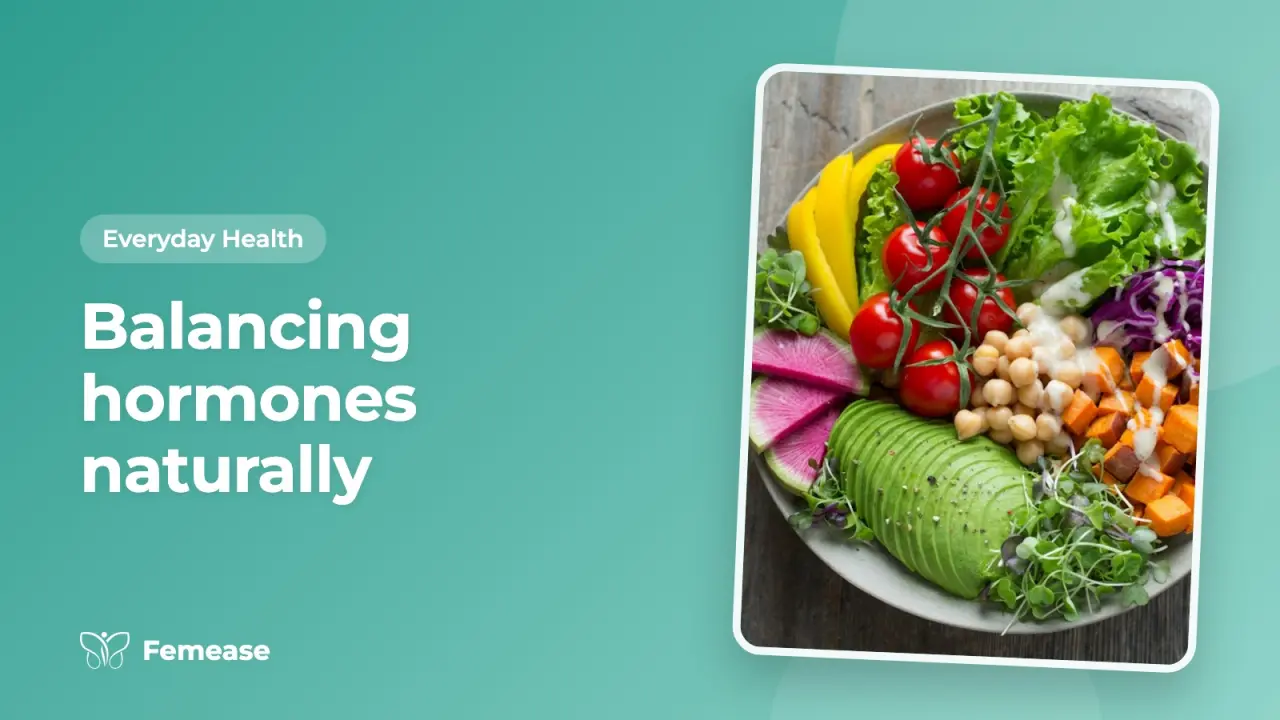
What you eat directly impacts your hormonal health. Incorporating whole foods, such as leafy greens, fruits, lean proteins, and healthy fats, helps reduce inflammation and regulate hormone levels. Some hormone-balancing superfoods to consider include:
Avocados for healthy fats that support hormone production
Flaxseeds for fibre and healthy fats
Turmeric for its anti-inflammatory properties
Cruciferous vegetables like broccoli and cauliflower for fibre and nutrients
By focusing on a balanced diet, you nourish your body in a way that supports natural hormone regulation.
Get Enough Sleep
Sleep is essential for maintaining hormonal health. A regular sleep schedule of 7-9 hours per night helps regulate cortisol (the stress hormone) and insulin (which controls blood sugar). Without adequate sleep, these hormones can become imbalanced, leading to increased stress and weight gain.
Simple tips for better sleep:
Create a bedtime routine to signal your body it’s time to wind down.
Keep your bedroom cool and dark.
Avoid screen time at least an hour before bed.
Manage Stress Mindfully
Chronic stress can wreak havoc on your hormones by increasing cortisol levels, which in turn can impact other hormones like estrogen and progesterone. Practicing mindfulness techniques like deep breathing, meditation, or yoga can help reduce cortisol and bring balance back into your life.
Even taking 10 minutes a day for a short mindfulness exercise can make a big difference over time.
Move Regularly, but Find Balance
Exercise is a great way to balance hormones, particularly insulin and cortisol. The key is to find a form of movement that you enjoy and that works for your body. Whether it’s walking, yoga, strength training, or a dance class, regular physical activity helps keep hormones in check.
However, it's important not to over-exercise, as pushing your body too hard can lead to increased cortisol levels. Listen to your body and aim for moderation.
Support Your Skin Naturally
Your skin often reflects your internal health, and hormonal imbalances can lead to breakouts, dryness, or oiliness. Choose skincare products with natural ingredients that won’t disrupt your hormones. Avoid harsh chemicals and focus on gentle, nourishing skincare routines.
At Femease, we believe in holistic health and offer personalized plans that cater to individual needs, helping women navigate challenges like hormonal imbalance with support from experts. Whether through lifestyle adjustments, nutrition guidance, or natural product recommendations, we focus on creating sustainable, balanced wellness routines.
Balancing your hormones naturally takes time, but by incorporating these simple steps into your daily life, you can start to feel more in control of your health and well-being.
Questions women ask
What are the symptoms of hormonal imbalance in females?
Common signs include irregular or missed periods, heavy or painful periods, acne, unusual hair growth or hair fall, weight changes, tiredness, mood swings, poor sleep and low libido. A gynaecologist can check the cause with simple tests.
How can I balance hormones naturally as a woman?
Eat whole foods with vegetables, fruits, protein and healthy fats, sleep 7 to 9 hours, manage stress with breathing, yoga or walks, and exercise regularly without overdoing it. Changes take a few months to show.
Which foods help hormonal balance in females?
A balanced plate matters more than any single food. Include leafy greens, vegetables like broccoli and cauliflower, fruits, dals, nuts and seeds such as flaxseeds, healthy fats, and enough protein. Cut down on processed food and sugar.
Can lifestyle changes make periods regular?
They often help, especially when stress, sleep, weight or diet are part of the cause. But irregular periods can also come from PCOS, thyroid problems or other conditions, so see a gynaecologist if your cycle stays irregular for three months or more.
General information, not medical advice. Talk to a doctor about your own health.
Keep reading
Healthspan vs lifespan: what is the difference?
Lifespan is how long you live; healthspan is how many years you stay well and active. Learn the difference and small daily habits that support it.
Bad posture habits: text neck, couch sink and more
Poor posture usually comes from small daily habits, like scrolling, slouching and heavy one-shoulder bags. See the habits and what to do about each.
How to reset your menstrual cycle: habits that help
Irregular after stress, travel or poor sleep? Everyday habits around food, sleep and stress that support a steadier cycle, and when to see a doctor.

My PCOS story: food, movement, sleep and stress
One woman's personal PCOS story of listening to her body, gentle movement and better sleep. Every body differs, so work with your gynaecologist.
Is sugar bad for you? Hidden sugar and how to cut down
A little sugar is fine, but too much added sugar is bad for health. See where hidden sugar hides, what it is linked to and simple ways to cut down.
Morning routine for a healthier you: simple habits
A few simple morning habits can lift mood and energy all day. See ideas like water, gentle stretching, slow breathing and a protein-rich breakfast.
