Sugar-free and low-fat diets: hidden downsides
In short: Sugar-free and low-fat foods are not always as healthy as the label suggests. Artificial sweeteners can upset the tummy for some people, causing bloating, gas or loose motions, and cutting out fat too much can leave you tired, foggy and with irregular periods, because your body needs healthy fats to make hormones. A better approach is whole foods, some healthy fats like nuts, seeds and fish, and sweetness from fruit in moderation.
In today’s health-conscious world, low-fat and sugar-free diets have become incredibly popular. We often hear about how cutting fats or sugars can lead to weight loss, better heart health, and more energy. But what if these well-intentioned diets come with unexpected side effects you were not warned about?
Many people switching to these diet’s experiences gut disruption, brain fog, and hormonal imbalances, issues that can feel frustrating and confusing. Let us explore why these symptoms happen and how you can nourish your body without compromising your well-being.
1. The gut microbiome takes a hit
Our gut is home to trillions of friendly bacteria that help digest food, support immunity, and even influence our mood. Unfortunately, artificial sweeteners commonly found in sugar-free products (like aspartame, sucralose, and saccharin) can disrupt this delicate balance.
How?
Artificial sweeteners may alter gut bacteria in some people, reducing beneficial species and encouraging the growth of harmful microbes. This imbalance can cause bloating, gas, diarrhea, or constipation, and long-term gut disruption can affect overall health, including your immune system and metabolism.
If you have swapped sugary drinks for “diet” versions and noticed stomach discomfort or digestive issues, your gut might be sending you a warning.
2. Brain fog: More than just a buzzword
Many people on low-fat or sugar-free diets complain about feeling “foggy” or mentally sluggish. This is not just a coincidence.
Why?
- Lack of healthy fats: Your brain is rich in fat, and it relies on good fats like omega-3s (found in fish, nuts, seeds, and avocados) to function optimally. Cutting fats drastically can impair cognitive function, leading to poor memory, concentration issues, and fatigue.
- Artificial sweeteners: Some people notice mental fog or mood swings when they have a lot of artificial sweeteners, though this link is not proven.
If you are struggling to focus, even after a good night's sleep, your diet might need a closer look.
3. Hormonal havoc from fat deficiency and sweeteners
Hormones regulate everything from energy levels to mood, weight, and reproductive health. Low-fat diets can unintentionally sabotage hormonal balance because fats are essential building blocks for hormone production.
The consequences?
- Irregular menstrual cycles
- Increased anxiety or mood swings
- Weight gain or difficulty losing weight
- Fatigue and low libido
Additionally, artificial sweeteners may interfere with insulin response and cortisol levels, further complicating your hormonal health.
How to protect your health while watching fat and sugar
Balance is key. Here are a few simple tips:
- Choose natural fats: Incorporate sources like olive oil, nuts, seeds, and fatty fish. These nourish your brain and hormones without excess calories.
- Limit artificial sweeteners: Opt for natural sweeteners like honey or maple syrup in moderation or focus on whole fruits for sweetness.
- Eat whole, unprocessed foods: These support a healthy gut microbiome.
- Stay hydrated and manage stress: Both have major impacts on gut and brain health.
- Listen to your body: If you feel brain fog, digestive upset, or mood changes, consider adjusting your diet.
Low-fat and sugar-free diets can seem like quick fixes, but their unintended consequences, like gut disruption, brain fog, and hormonal imbalance, show that not all diet trends are created equal. Prioritize whole foods, healthy fats, and natural sugars to fuel your body and mind the way nature intended.
Questions women ask
Does sugar free have side effects?
For some people, yes. Artificial sweeteners in sugar-free drinks and snacks can upset the gut, causing bloating, gas, loose motions or constipation. If you notice tummy trouble after switching to diet versions, try cutting back and see whether it settles.
What are the side effects of a low fat diet?
Cutting fat too much can leave you tired, foggy and moody. Your body needs healthy fats to make hormones, so a very low-fat diet can also upset your periods. Nuts, seeds, fish and a little good oil help keep things balanced.
Are sugar free products healthy?
Not automatically. Many sugar-free products are still highly processed, and some low-fat items add extra sugar to make up for flavour. Whole, unprocessed foods and fruit for sweetness are usually a kinder choice than packaged diet products.
When should I see a doctor about diet-related symptoms?
See a doctor if tummy problems, tiredness or brain fog do not settle after a few weeks of eating more balanced meals, or if your periods become irregular or stop. These can have other causes that are worth checking.
General information, not medical advice. Talk to a doctor about your own health.
Keep reading
Is sugar bad for you? Hidden sugar and how to cut down
A little sugar is fine, but too much added sugar is bad for health. See where hidden sugar hides, what it is linked to and simple ways to cut down.
Menopause weight gain: why it happens and what helps
Yes, weight gain around menopause is common even if you eat the same. See how hormones, belly fat, slower metabolism and blood sugar matter, and what helps.
Personalised nutrition: why one diet doesn't suit all
Your genes, gut, hormones and health shape how you react to food. Learn why one diet does not suit everyone and how to start noticing what works for you.

Breastfeeding diet for low iron, B12 and calcium
Breastfeeding takes a lot from your body, and low iron, B12 or calcium is common. See which everyday Indian foods help and when to ask about testing.
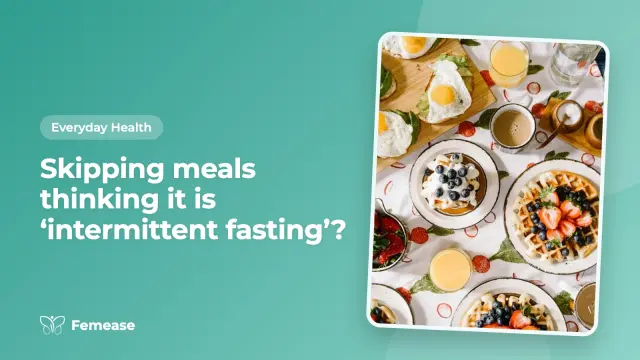
Skipping meals vs intermittent fasting: the difference
No, skipping meals is not intermittent fasting. See how irregular eating can upset hormones, energy and mood in women, and when to ask a doctor first.
Distracted eating: why scrolling while eating hurts
Eating while scrolling or watching TV can cause bloating, gas and overeating. Learn what distracted eating does to digestion and how to eat more mindfully.
