Calcium, vitamin D and magnesium for bones in your 20s, 30s
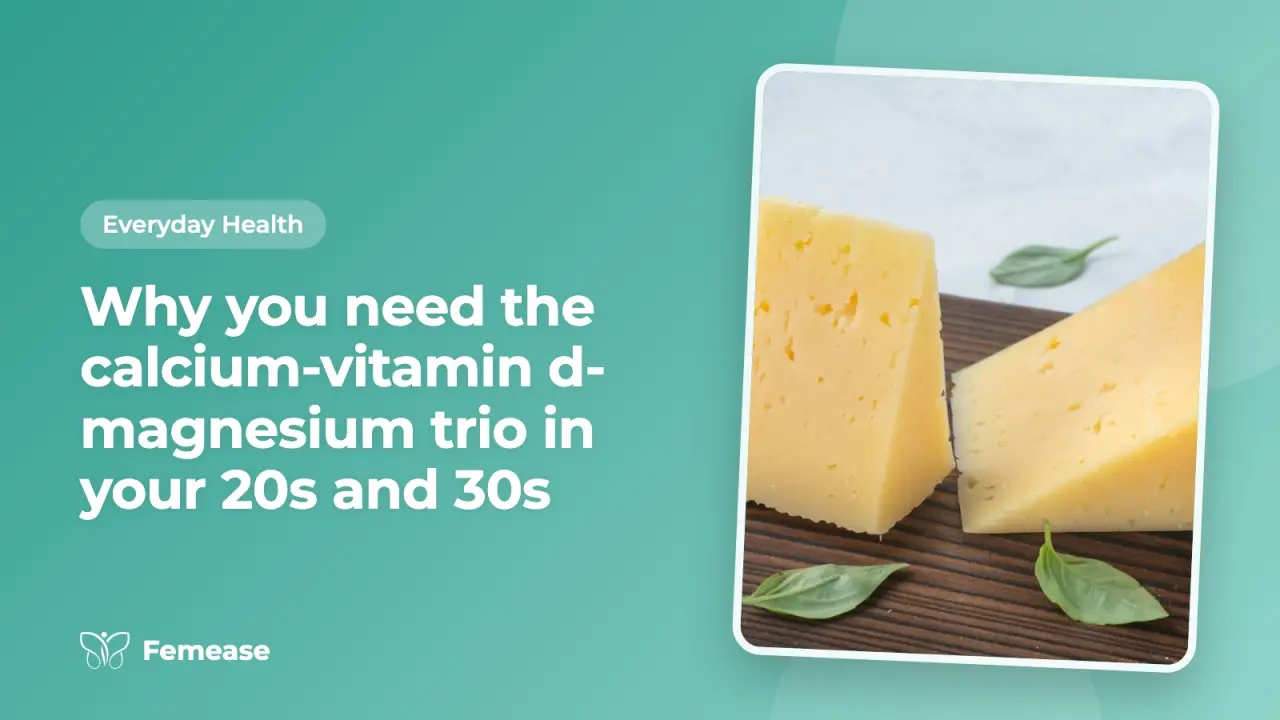
In short: Your bones reach their strongest by your late 20s or early 30s, so what you eat and how you move now protects them later. Calcium builds bone, vitamin D helps your body absorb that calcium, and magnesium helps both work properly. Get them from dairy, sesame seeds, ragi, leafy greens, nuts, dals and some morning sun, and do strength exercises. If you often feel tired or achy, ask a doctor to check your vitamin D before taking any supplement.
When we hear “bone health,” most of us instantly picture wrinkled hands and walkers. It is one of those health topics we think we can deal with… later. But here is the reality: By the time you start worrying about osteoporosis, the damage may already be done.
Bone health is not a senior citizen issue; it is an issue now, especially if you are in your 20s, 30s, or early 40s. And it all starts with three underrated nutrients: calcium, vitamin D, and magnesium.
Your bones are still building (Yes, even now)
Peak bone mass, that is the strongest your bones will ever be, usually happens by your late 20s or early 30s. After that, bone breakdown starts to outpace bone building, especially if you are not nourishing your body properly.
That means what you eat now determines how strong your bones will be later.
Why the calcium-vitamin D-magnesium trio matters
1. Calcium – The bone builder
Calcium is the building block of your bones and teeth. About 99% of the calcium in your body is stored in your skeleton. If you do not get enough through your diet, your body starts pulling it from your bones to keep your muscles, nerves, and heart functioning.
Found in: Dairy products, sesame seeds, almonds, tofu, leafy greens, fortified plant-based milks
2. Vitamin D – The absorption helper
No matter how much calcium you eat, your body will not absorb it well without vitamin D. It acts like a gatekeeper, helping your intestines pull calcium into your bloodstream and eventually into your bones.
Found in: Sunlight (15–20 mins daily), fatty fish (like salmon), egg yolks, fortified foods
Reality check: Many young adults are deficient in vitamin D, especially those working indoors or living in cities with air pollution and limited sun exposure.
3. Magnesium – The unsung hero
Magnesium supports bone structure and helps regulate vitamin D and calcium levels. Magnesium also helps your body use vitamin D. It is the nutrient that ties the whole trio together, and yet, it is often forgotten.
Found in: Nuts, seeds, whole grains, legumes, dark chocolate, spinach
The Modern Lifestyle Is Weakening Your Bones
Let us be honest. Most of us:
- Skip sunlight for screen time
- Drink more coffee than milk
- Eat fast food instead of home-cooked meals
- Follow restrictive diets
- Ignore strength training
These habits slowly drain your bones of the nutrients they need. Add stress, poor sleep, or hormonal imbalances (like PCOS or thyroid issues), and you have a perfect storm for early bone thinning.
Not just about fractures, it is about freedom
Weak bones are not just a problem in old age. Fatigue, frequent body aches, poor posture, and low energy levels can all be linked to poor bone and mineral health. And in women, bone density becomes even more critical with age due to hormonal changes, especially after pregnancy or during menopause.
Taking care of your bones now means:
Fewer injuries Better mobility A stronger metabolism Less chance of chronic pain A smoother transition into older adulthood
What you can do today
- Get a nutrient-rich diet: Incorporate calcium, vitamin D, and magnesium daily.
- Check your levels: Ask your doctor for a bone mineral density test or basic vitamin D and calcium profile.
- Ask your doctor: If your diet lacks these nutrients, ask your doctor whether you need a supplement.
- Strength train: Lifting weights or doing resistance exercises builds muscle and bone density.
- Get your 15 minutes of sun: Morning sunlight is best and helps boost vitamin D naturally.
Taking care of your bones is not about looking young; it is about feeling strong, free, and independent for decades to come. The calcium-vitamin D-magnesium trio is a small, powerful shift you can make today for a healthier tomorrow.
Your 60-year-old self will thank you. Because bone health is not just for the elderly, it starts with the choices you make right now.
Questions women ask
Which vegetarian foods are rich in calcium?
Milk, curd, paneer, ragi, sesame seeds, almonds, rajma, leafy greens like methi and amaranth, and tofu are good sources. Eating some of these every day is the easiest way to keep up your calcium.
Which Indian foods are rich in magnesium?
Nuts like almonds and cashews, seeds like pumpkin and sesame, whole grains, dals and beans, spinach and bananas give you magnesium. Check with a doctor before taking any supplement, as too much can cause problems.
What are the signs of vitamin D deficiency in women?
Tiredness, body and bone aches, muscle weakness, low mood and frequent illness can be signs. Many women who spend most of the day indoors are low. A simple blood test can tell, so ask your doctor rather than guessing.
Does bone density drop in women after 30?
After your early 30s, bone is slowly lost faster than it is built, and the loss speeds up around menopause. Calcium-rich food, enough vitamin D, strength training and not smoking help slow it down.
General information, not medical advice. Talk to a doctor about your own health.
Keep reading
Magnesium for period cramps and PMS: does it help?
Magnesium helps muscles relax, so it may ease period cramps and PMS. Learn how it works, which foods are good sources and how much food can give.
Pregnancy nutrition: why it matters and what to eat
Good nutrition helps your baby's brain, bones and organs grow. Learn which nutrients matter, like folate, iron and calcium, and foods that provide them.

Breastfeeding diet for low iron, B12 and calcium
Breastfeeding takes a lot from your body, and low iron, B12 or calcium is common. See which everyday Indian foods help and when to ask about testing.

Health checks after menopause: screening checklist
After menopause, regular check-ups matter even if you feel well. See which tests to ask about, from bone density and thyroid to heart and breast checks.
Rock salt vs table salt: are they really better?
Rock, pink and sea salt carry small amounts of minerals but are still mostly sodium. See how they compare with table salt and why the amount matters most.
Why chewing food well matters for digestion
Chewing is the first step of digestion, and rushing meals can bring bloating and gas. See what happens when you rush and simple ways to chew better.
