How your menstrual cycle changes with age
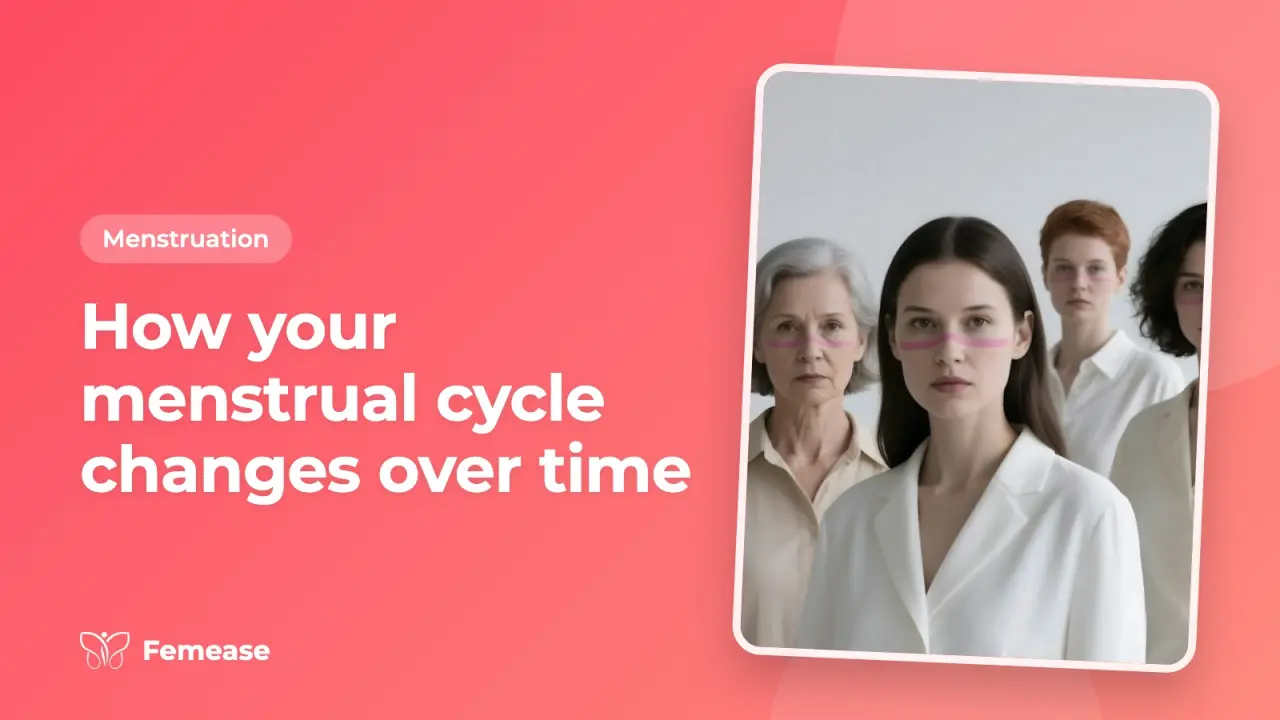
In short: Yes, periods do change with age. They are often irregular in the first few years, most regular in your 20s, and may get shorter, heavier or lighter in your late 30s. In your 40s, perimenopause can make cycles unpredictable, with skipped periods and changing flow, until they stop at menopause. See a gynaecologist if cycles stay shorter than 21 or longer than 45 days for several months, bleeding is very heavy, or you bleed between periods, after sex or after menopause.
Have you ever wondered why your period was like clockwork in your twenties but seems to have a mind of its own now? You are not imagining things. A woman’s menstrual cycle does not stay the same from puberty to menopause; it changes, sometimes subtly and sometimes dramatically.
Understanding the menstrual cycle
Before diving into the changes, it helps to know what we mean by “cycle length.” Your menstrual cycle starts on Day 1 of your period and ends the day before your next period begins. The average cycle length is 28 days, but anywhere between 21 and 35 days is considered normal for adults.
Cycle length can shift because of hormonal changes, life stress, health conditions, and even travel or diet. Over the decades, these factors (plus your biology) shape your unique rhythm.
Puberty: The unpredictable start
When periods first arrive, typically between ages 10 and 15, they’re often irregular. In the first couple of years after menarche (your first period), cycles can be long, sometimes up to 45 days or more, and may skip months altogether.
Why? Because your brain and ovaries are still learning to communicate effectively via hormones. It takes time for the hypothalamic-pituitary-ovarian axis (the system controlling your cycle) to mature.
What to expect:
- Irregular, sometimes heavy bleeding
- Longer cycles (often 35–45 days)
- Occasional skipped periods
- Gradual settling over 2–3 years
Your 20s and early 30s: Stability sets in
By your late teens and early twenties, your menstrual cycle is usually the most consistent it will ever be. This is when you are at peak reproductive health, with regular ovulation and balanced estrogen and progesterone levels.
Average cycle length:
- 26–32 days
- Predictable flow and duration
- Fewer skipped cycles (unless you have underlying conditions like PCOS)
If you suddenly see big fluctuations in your cycle length in your twenties, it’s worth discussing with your healthcare provider.
Your 30s: Subtle shifts begin
Many women find their cycles remain stable in their early 30s, but start noticing changes as they approach their late 30s:
- Shorter cycles: Ovulation can occur earlier, shortening the time between periods.
- Heavier or lighter flow: Hormonal fluctuations can affect the uterine lining.
- Postpartum changes: Pregnancy and breastfeeding can temporarily stop periods or alter cycle length once they return.
Tip_:_ Track your cycles carefully during this phase, especially if you are planning a pregnancy or monitoring your fertility.
Your 40s: Perimenopause enters the picture
Perimenopause is the transition toward menopause, typically starting in your mid-to-late 40s. Cycle length in this stage is famously unpredictable:
- Some cycles shorten to 21–24 days.
- Others stretch beyond 35–40 days.
- You may skip periods entirely.
- Flow can vary wildly from light spotting to heavy bleeding.
This erratic pattern happens because your ovaries gradually stop releasing eggs regularly, and estrogen and progesterone levels swing up and down.
Signs you are in perimenopause:
- Hot flashes
- Night sweats
- Mood swings
- Vaginal dryness
- Sleep problems
Menopause: The end of cycles
Menopause is defined as 12 consecutive months without a period. The average age is around 51. Once you cross this milestone, your cycle stops for good.
Important note: If you experience bleeding after menopause, see your doctor. It can signal conditions needing attention.
When should you talk to a doctor about cycle length changes?
While some fluctuation is normal, you should consult a healthcare professional if:
- Your cycles suddenly become very short (<21 days) or very long (>45 days) for several months.
- You experience excessively heavy bleeding (soaking through a pad or tampon every hour for several hours); if this is happening now, go to hospital straight away.
- You have severe pain or cramping.
- You stop getting your period before age 40.
- You have bleeding between periods or after sex.
Your menstrual cycle is a mirror reflecting your hormonal health and your life stages. From puberty through menopause, changes in cycle length are part of the natural rhythm of being a woman.
And remember: tracking your periods, whether in a journal or a menstrual health app, can help you spot patterns and get the care you need.
Questions women ask
Do periods change with age?
Yes. In the first two to three years cycles are often irregular. Through your 20s and early 30s they are usually most regular. From the late 30s, cycles may shorten and flow may change, and in your 40s perimenopause makes them less predictable until they stop.
What period changes in your 30s are normal and what is alarming?
Slightly shorter cycles and a heavier or lighter flow can be normal in the late 30s. It is worth seeing a gynaecologist for very short or very long cycles for several months, severe pain, bleeding between periods or after sex, or periods stopping before 40.
Are irregular periods after 40 normal?
Often, yes. Perimenopause usually starts in the 40s, so some cycles get shorter, some longer, and you may skip periods. Flow can range from spotting to heavy. Still, get very heavy bleeding, bleeding after sex and clots checked by a gynaecologist.
Is a 30-day cycle normal?
Yes. For adults, a cycle anywhere from 21 to 35 days is considered normal, counted from the first day of one period to the day before the next. What matters more is a big change from your usual pattern.
When does heavy bleeding need a doctor urgently?
Go to hospital straight away if you soak through a pad every hour for several hours, pass large clots, feel dizzy or faint, or have severe pain. Any bleeding after menopause also needs a check, though not usually as an emergency.
General information, not medical advice. Talk to a doctor about your own health.
From the Femease store

For your period
My Cara Ultra-thin Sanitary Pads with Organic Cotton Top Layer (4M+4L+4XL)
12 pads (4 M, 4 L, 4 XL)
199 rupees 22% off

For your period
My Cara Ultra-thin Sanitary Pads with Organic Cotton Top Layer (20 Large)
20 Large pads
299 rupees 45% off
Keep reading
How the menstrual cycle affects mood, sleep and gut
Yes, your cycle changes more than bleeding. See how hormones shift mood, sleep, digestion and skin each month, and when to see a gynaecologist.
Menopause and periods: symptoms and age explained
Menopause is confirmed after 12 months with no period, usually between 45 and 55. See perimenopause signs and when to see a gynaecologist.

Fertility in women by age: what changes after 30, 35 and 40
How a woman's fertility changes with age, what happens after 30, 35 and 40, what an AMH test can and cannot tell you, and when to see a gynaecologist.
How to reset your menstrual cycle: habits that help
Irregular after stress, travel or poor sleep? Everyday habits around food, sleep and stress that support a steadier cycle, and when to see a doctor.

Blood tests for irregular periods: which hormones
Hormone blood tests help a doctor see why your periods are irregular. Learn which tests like FSH, LH and thyroid are done, and how to prepare for them.

Hot and cold flashes during your period: is it normal?
Yes, chills or hot flashes on your period are common. Falling hormones and prostaglandins are usually why. When it may be fever or low iron, and what helps.
