Postpartum recovery with twins: what to expect
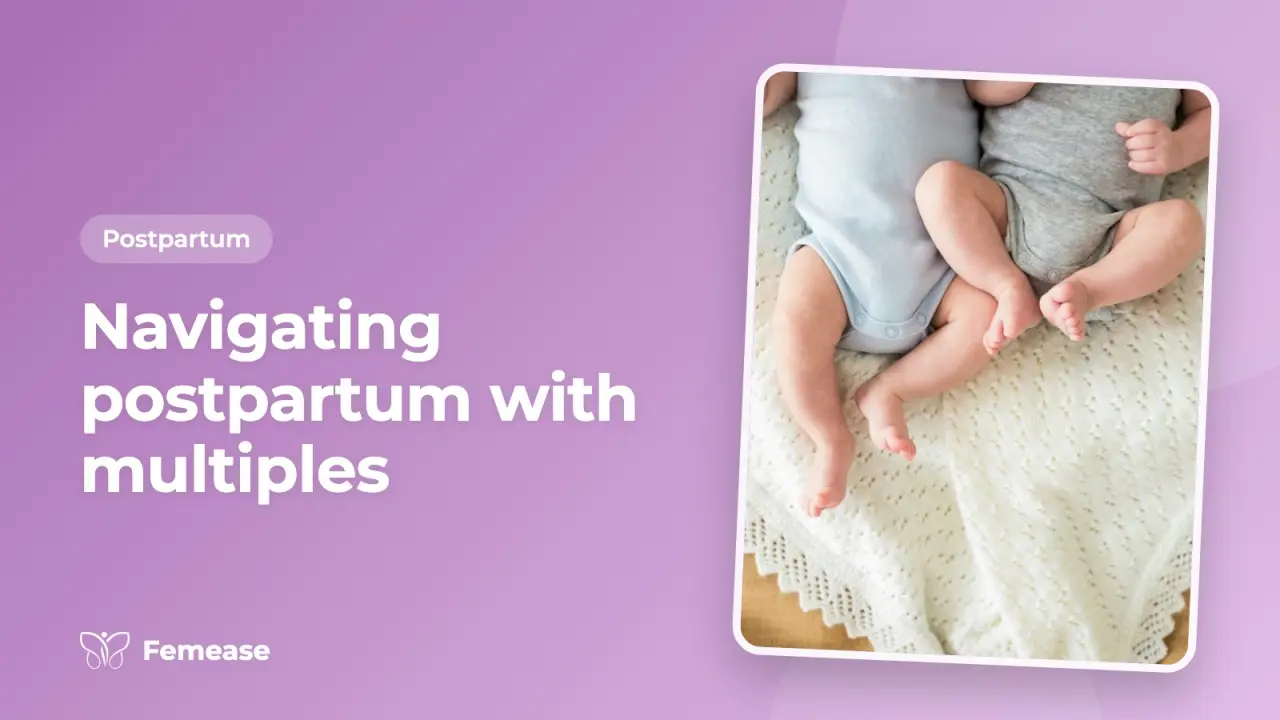
In short: Recovery after twins or triplets often takes longer. Many multiples are born early, often by C-section, and there may be more blood loss, stronger afterpains and a longer hospital stay. Rest in short bursts, accept every offer of help, and share night feeds. Breastfeeding twins is possible, and combining breast and formula is also fine. Talk to your doctor if you feel low, anxious or numb for more than two weeks, and get help the same day for fever. Go to hospital straight away for heavy bleeding, and for thoughts of self-harm get help straight away or call Tele-MANAS on 14416.
Bringing one baby into the world is transformative. But bringing two or three is a different level of life-altering. Whether you're a new parent to twins, triplets, or more, first of all, breathe. You are doing something truly incredible.
Postpartum life with multiples is messy, beautiful, demanding, and yes, survivable. While no two journeys are alike, here’s a compassionate look at what real life might look like, and how to navigate it with a little more ease, grace, and support.
The physical recovery: it might take longer, and that’s okay
Whether you’ve had a vaginal birth or a C-section, delivering multiples often comes with more physical strain. Many mothers of multiples deliver preterm, often through C-section, which naturally increases recovery time.
You might experience:
- Increased fatigue from blood loss or extended labor.
- A longer hospital stay.
- More intense uterine contractions during postpartum healing (called "afterpains").
- Challenges with mobility post-C-section.
What can help?
- Prioritize healing with rest, yes, even in short bursts.
- Don't hesitate to ask for help lifting, changing, or feeding.
- Invest in postpartum belly support or C-section recovery wear.
Sleep? What’s that? (Yes, it will come back…eventually)
Sleep deprivation is real for any new parent. With multiples, it can feel like a never-ending loop of feeding, burping, changing, and repeating. And when one baby sleeps, the other may just be starting their party.
What’s realistic:
- You might not sleep more than 1-2 hours at a time in the early weeks.
- “Sleeping when the babies sleep” might not always be possible.
Sleep survival tips:
- Sync their feeding/sleep schedules early on (with the help of a pediatrician).
- Split night duties with a partner, friend, or relative.
- Consider overnight doula support if affordable.
Breastfeeding multiples: yes, it’s possible (but not mandatory)
You can breastfeed twins and even triplets. Your body is capable of producing milk for multiple babies. But it’s also okay if it doesn’t work out the way you imagined.
Reality check:
- Breastfeeding multiples is time-consuming and physically demanding.
- Some moms combo-feed (breast + formula) or exclusively formula feed, and that's completely valid.
Helpful aids:
- Twin nursing pillows for tandem feeding.
- Meeting with a lactation consultant who understands multiples.
- Pumping in shifts to build supply and allow others to help feed.
The emotional rollercoaster: You’re not alone
Postpartum emotions can swing wildly, and having multiples amplifies everything. There’s joy, yes. But also guilt, overwhelm, isolation, and often, postpartum depression or anxiety.
The facts:
- Mothers of multiples are at a higher risk of postpartum depression.
- Hormonal shifts, NICU time, and feeding struggles can intensify emotional stress.
Be kind to yourself:
- Prioritize mental health care. It’s not a luxury, it’s a lifeline.
- Join support groups (online or local) for parents of multiples.
- Talk to your doctor if you're feeling persistently down, anxious, or disconnected.
Household logistics: It is a circus, create a system
Your home might feel like a battlefield of diapers, bottles, laundry mountains, and cries from every direction. Accept the chaos, but also set up small systems that help.
What works:
- Have diaper caddies in every room.
- Use color-coding (bottles, outfits, pacifiers) to track who’s who.
- Create a shared feeding/sleeping chart to avoid confusion.
And yes, accept help, cooking, folding baby clothes, or watching one baby while you shower.
Relationships shift, and that’s normal
With the focus on keeping tiny humans alive, romantic or personal relationships might take a backseat. Communication is key, especially with your partner or support people.
What helps:
- Check in with each other emotionally (even if it’s 5 minutes a day).
- Don’t keep score; parenting is a team sport.
- Schedule alone time, even if it's just a walk outside or a 10-minute bath.
In the thick of it all, there are moments of profound magic. Watching your babies connect. Seeing them sleep snuggled together. The way they smile at the same time, or at different times. The love you feel isn’t divided, it’s multiplied.
Questions women ask
How long does postpartum recovery take after twins?
It often takes longer than after one baby, especially after an early birth or a C-section. Tiredness from blood loss, stronger afterpains and harder movement are common. Rest whenever you can, let others lift and fetch, and heal at your own pace.
Is postpartum depression more common with twins?
Mothers of multiples face a higher risk, because of less sleep, NICU stays, feeding struggles and sheer workload. If you feel persistently down, anxious, disconnected from your babies or unable to cope, talk to your doctor. It is common, treatable and not your fault.
Can I breastfeed twins at the same time?
Yes. Your body can make milk for more than one baby, and many mothers feed both together using a twin nursing pillow. A lactation consultant who understands multiples can help with positions. Combining breast and formula, or formula alone, is also completely valid.
What signs after a twin delivery need a doctor the same day?
Get help the same day for fever or chills or a red or oozing C-section wound. Go to hospital straight away for bleeding that soaks a pad in an hour, pain or swelling in one leg, a severe headache, blurred vision or swelling of the face or hands, chest pain, breathlessness or fainting. If you have thoughts of harming yourself or your babies, get help straight away: go to the nearest emergency or call Tele-MANAS, India's free mental health helpline, on 14416.
General information, not medical advice. Talk to a doctor about your own health.
Keep reading
C-section recovery: how long it takes and what helps
C-section recovery usually takes about six to eight weeks, sometimes longer. Learn how to care for the wound, when to walk and lift, and warning signs.
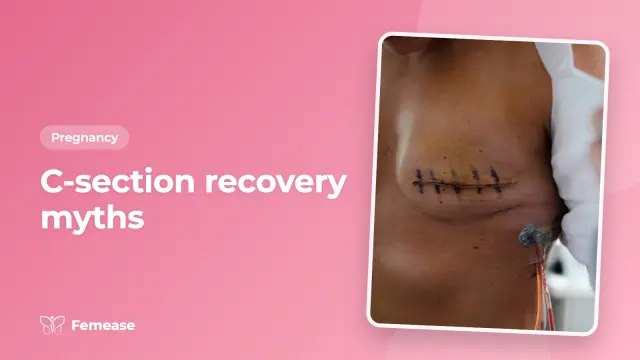
C-section recovery myths: what to expect
A C-section is major surgery, not the easy way out. Learn four common myths, why recovery takes months and which signs mean you should call your doctor.

Nutrition for postpartum recovery and breastfeeding
What to eat after delivery? Postpartum food basics for recovery and breastfeeding, from warm cooked meals and ghee to laddoos and foods to avoid.
When does your period return after delivery?
If you are not breastfeeding, periods may return in 6 to 8 weeks; with breastfeeding it can take months. See what the first period is like and when to worry.
Postpartum support beyond family: who can help
Family help matters but is not always enough. See how lactation consultants, mom groups and online circles can ease loneliness and when to talk to a doctor.
Hair fall after delivery: skin and nail changes postpartum
Hair fall after delivery is very common and temporary. See why it happens, when it slows down and what helps with dry skin, dark patches and weak nails.
